
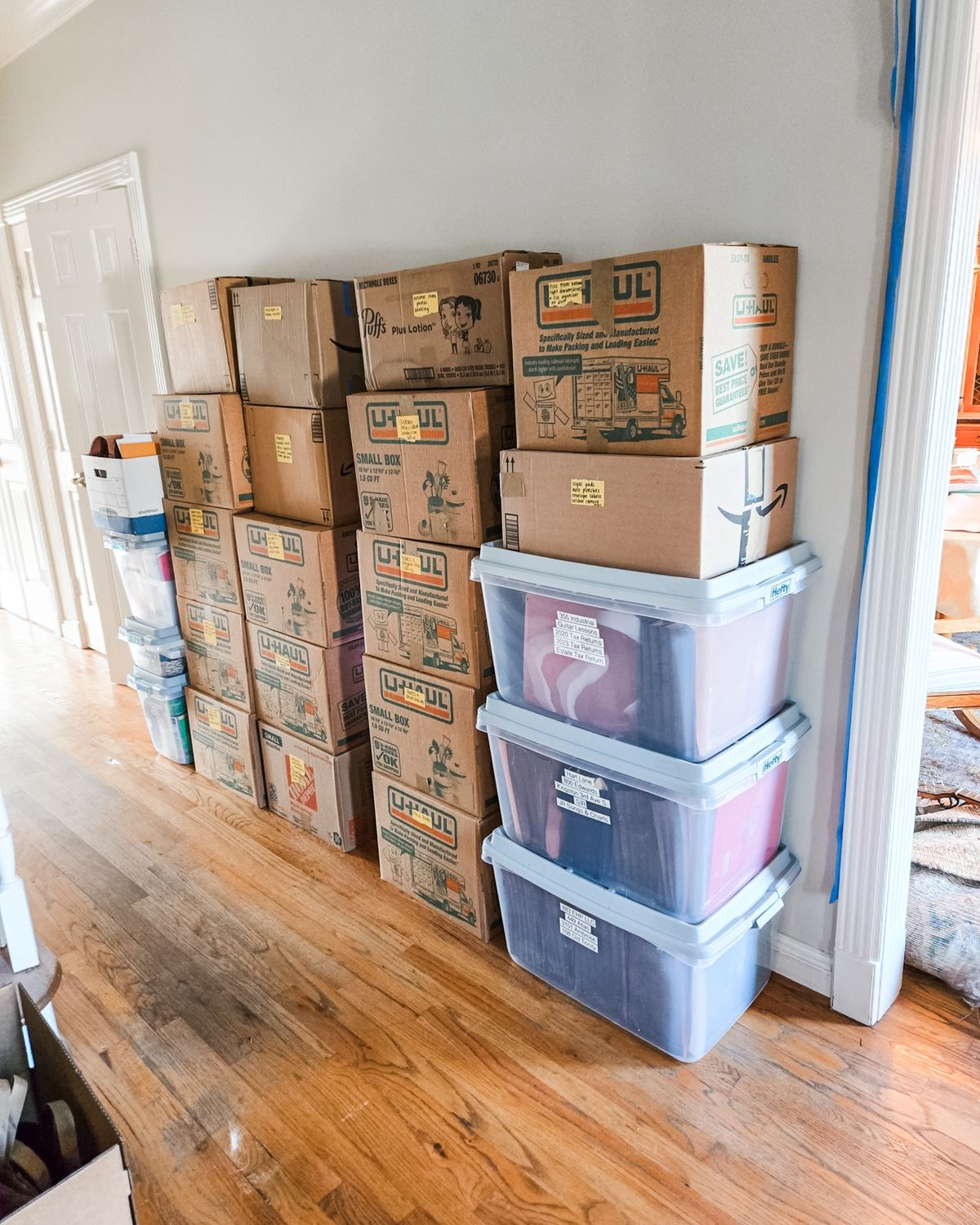
I once moved into a 380-square-foot studio with eleven boxes labeled “misc” and a mattress I had to fold in half just to get through the door. It took me four days to find my can opener. That’s not a moving story, that’s a warning story — and it’s the reason this small apartment moving checklist exists.
If you’re staring down a move into a studio, a one-bedroom, or basically any place where “extra room” isn’t a phrase you get to use, you already know the stakes are different than moving into a house.
There’s no garage to dump things in while you figure it out later. There’s no spare bedroom to become the “we’ll deal with it eventually” room. Every box you bring in either has a home immediately or it becomes a tripping hazard for the next three weeks.
This isn’t a generic packing list. It’s the small apartment moving checklist I wish someone had handed me before that studio move — organized by when you should actually do each thing, not just what you should do eventually. I’ll flag what I skipped and regretted, what saved me money, and where people usually overspend on move-in day.
Why Small-Space Moves Need a Different Checklist
A normal moving checklist assumes you have somewhere to stash the chaos temporarily. In a small apartment, you don’t. Boxes stack in your only walkway. Furniture that “should fit” sits in the hallway because nobody measured the stairwell turn.
And because storage is already tight before you’ve unpacked a single thing, every item you bring in needs to justify its square footage on day one, not eventually.
The other thing nobody tells you: small apartment buildings, especially older ones, have move-in logistics that regular houses don’t — narrow stairwells, no elevator, strict move-in time windows for the freight elevator, HOA or building management rules about which entrance to use.
My friend Renata got fined $75 by her building for moving furniture through the lobby during a blackout window she didn’t know existed, because nobody told her to check the building’s move-in policy until it was already move-in day.
So this checklist splits into four phases: 3-4 weeks before, moving week, move-in day, and the first week after — because small-space move-ins live or die on sequencing, not just on having a list.
3-4 Weeks Before: Measure Everything (Twice)
This is the phase everyone rushes and shouldn’t. In a small apartment, the difference between a couch that fits and one that doesn’t isn’t inches — it’s the door frame, the hallway turn, and whether the elevator has a weight or size limit.
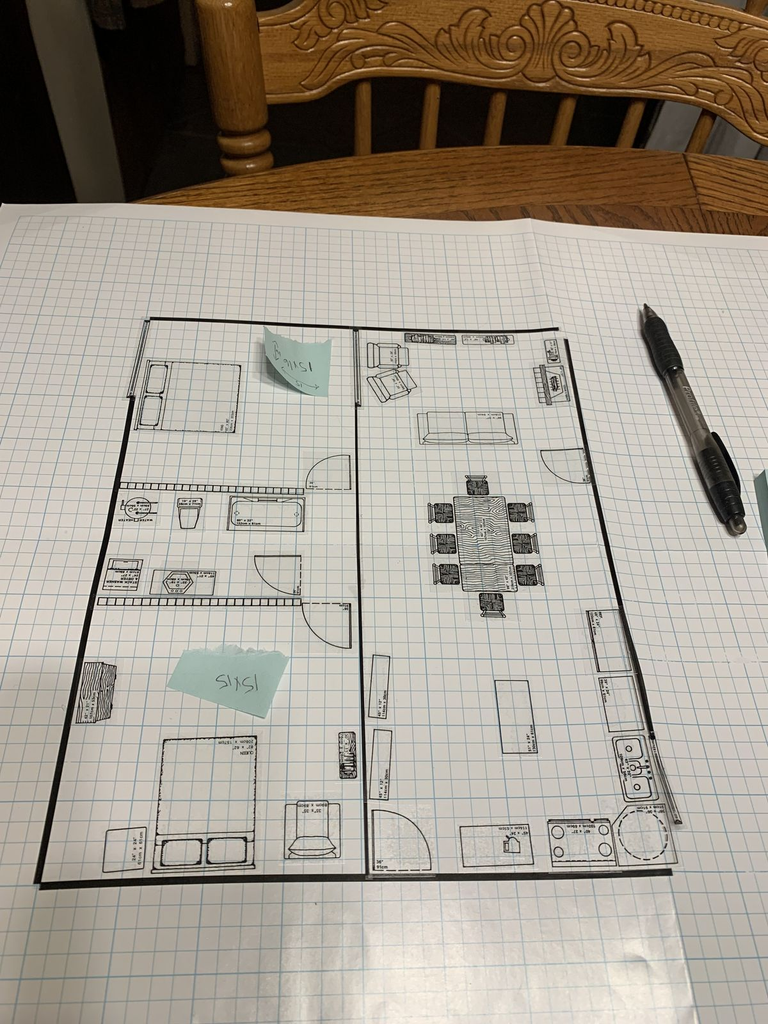
What to measure: every doorway your furniture has to pass through (including the building’s front entrance and any hallway turns), the elevator interior if there is one, ceiling height if you’re carrying anything vertically, and the actual room dimensions — not the square footage on the listing, the wall-to-wall measurements with a tape measure, done by you.
I learned this the expensive way. I bought a loveseat that measured fine for my living room wall but didn’t survive the 90-degree turn in my building’s stairwell.
It sat in the lobby for six hours while I found a friend with a truck to take it back. A $40 tape measure and fifteen minutes would have told me that.
Pro tip: search your specific address plus “move-in elevator reservation” or call your leasing office directly — a lot of buildings under 15 units require you to book a move-in window, and if you don’t, you can get turned away with a full truck outside. This is one of the most common and most avoidable small-apartment move-in mistakes, and it’s rarely on generic moving checklists because most of them assume a house move.
Small Apartment Storage: Decide Before You Pack, Not After
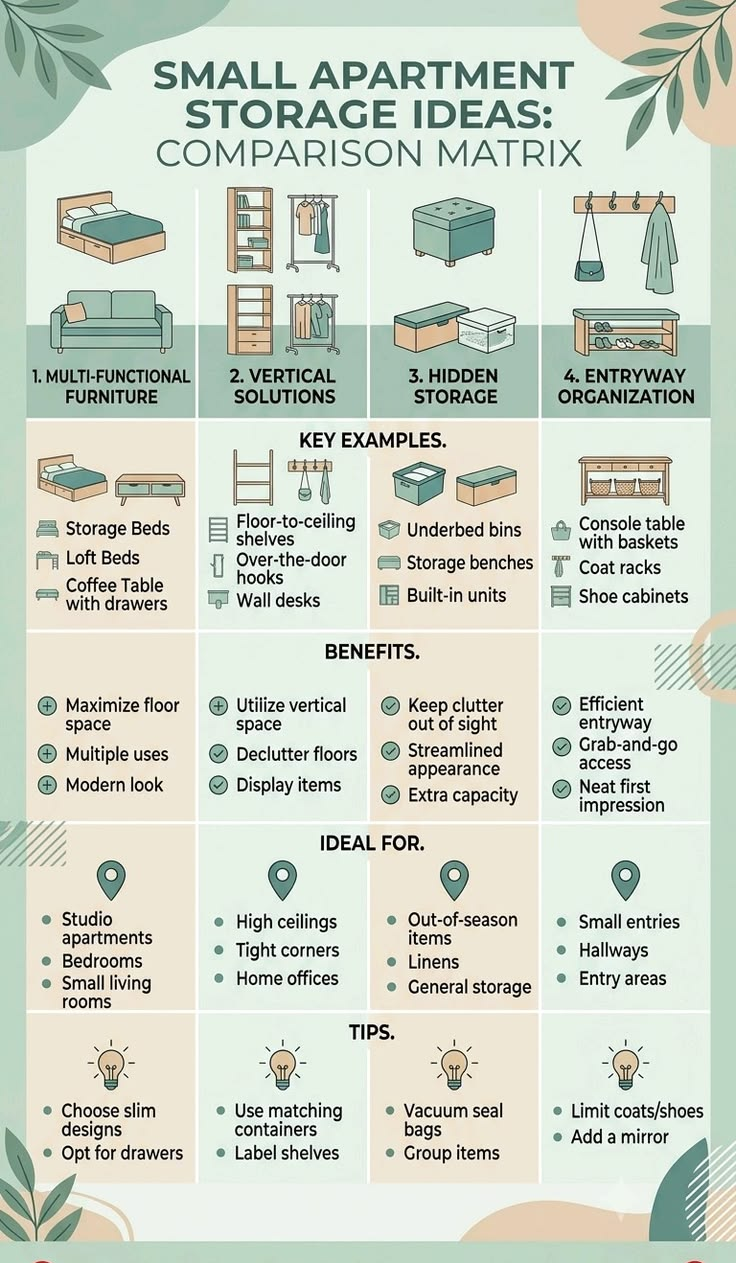
Here’s the part that actually determines whether your move feels chaotic or manageable: decide your storage plan before you start packing, because in a small apartment, “I’ll figure out storage when I get there” means living out of boxes for a month.
Walk through your new floor plan (or the listing photos, if you haven’t seen it in person) and mentally assign zones: where do coats go, where does the vacuum live, where does off-season clothing go if there’s no closet for it.
If the answer to any of those is “I don’t know yet,” that’s your cue to buy a specific storage solution before move-in day, not after.
| Storage Type | Best For | Approx. Cost | Small-Space Verdict |
|---|---|---|---|
| Over-the-door organizer | Shoes, cleaning supplies, accessories | $15-30 | Good for renters — no drilling, but cheap ones sag within months |
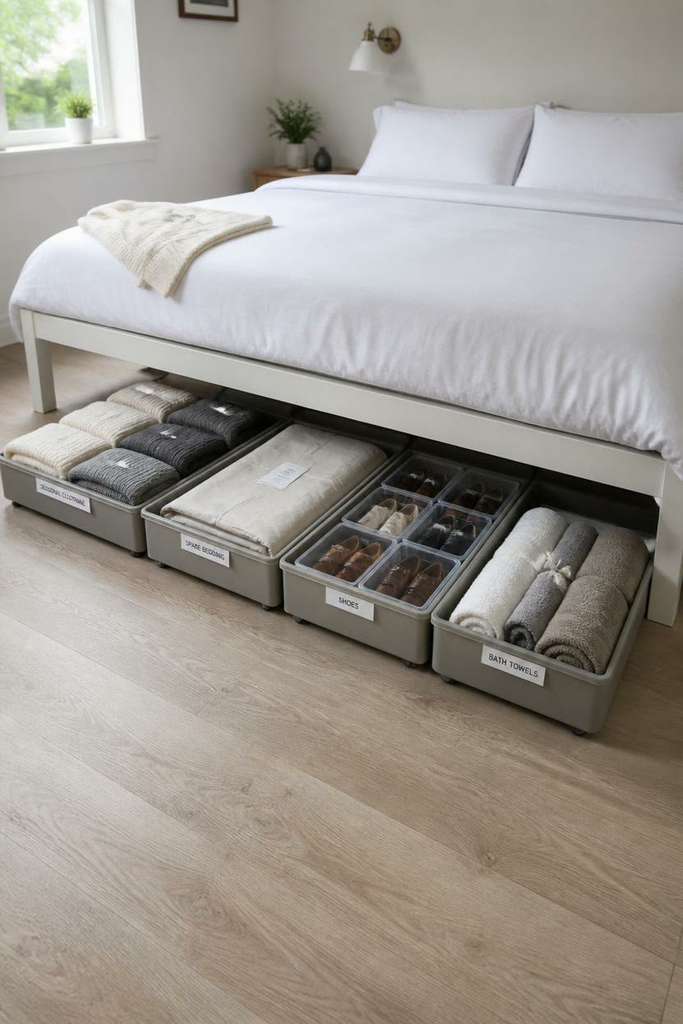
| Under-bed storage bins | Off-season clothing, extra linens | $20-45 for a set | One of the best sq-ft-to-storage ratios in a small apartment |
| Vertical wall shelving | Books, decor, kitchen items | $30-120 depending on material | Uses “dead” vertical space most studios waste |
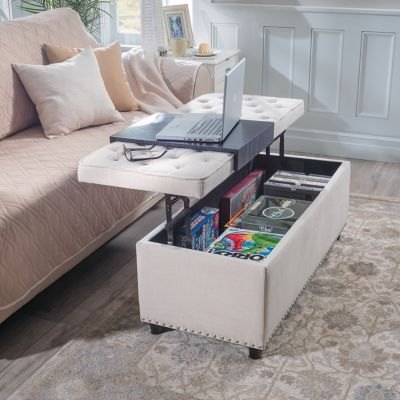
| Storage ottoman | Living room extras, blankets | $40-100 | Doubles as seating — worth it if floor space is tight |
| Rented storage unit | Furniture you’re not ready to part with | $50-150/month | Only worth it short-term — costs add up fast |
I tried the cheapest over-the-door shoe organizer for my first apartment and it ripped off the hinge within nine days under the weight of actual shoes, not the display shoes in the product photo.
Spend the extra $10-15 on one with a metal frame — it’s the difference between something that lasts a year and something that lasts a month.
Moving Week: Pack by Room You’ll Need Immediately, Not by Category
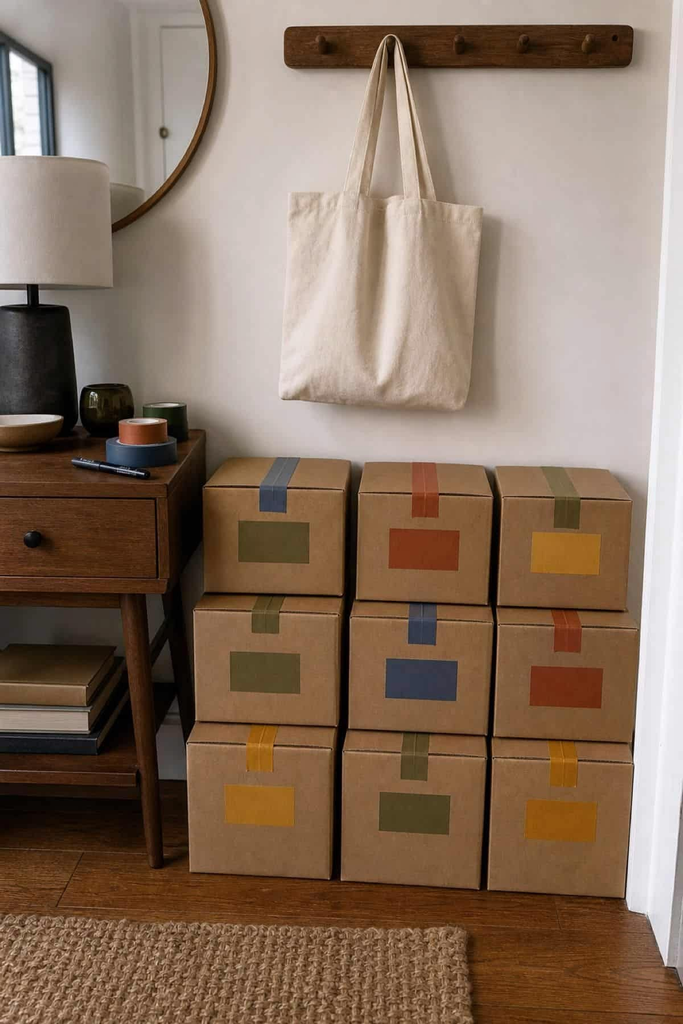
Most moving advice tells you to pack by category — all books together, all kitchen items together. For a small apartment move, I’d flip that: pack by “how soon will I need this,” because you’re going to be unpacking directly into a tight space with nowhere to stage things.
Label boxes with the specific room and a rough priority — “Kitchen: Day 1” versus “Kitchen: Whenever.” Your Day 1 box should have the coffee maker, one set of dishes, basic toiletries, phone chargers, and one change of clothes for the next morning.
Everything else can wait a day or two, and honestly, waiting a day or two to unpack the blender is a lot less stressful than waiting a day or two to find your toothbrush.
Pro tip: pack a separate “first night” bag like you’re staying at a hotel — not a moving box, an actual overnight bag. The number of people who spend their first night in a new apartment digging through unlabeled boxes for pajamas is higher than you’d think, and it’s a completely avoidable kind of miserable.
Furniture Decisions: What to Bring, Sell, or Skip
Small apartment moves are a good forcing function to actually be honest about what you own. If a piece of furniture doesn’t have a clear spot in your new floor plan before move-in day, it’s going to become the thing that makes your apartment feel cluttered from week one.
A reader on one of my posts mentioned she sold her full bookshelf before a studio move and replaced it with two floating shelves instead — she said it freed up almost three feet of floor space she didn’t realize she’d get back.
That’s the kind of trade-off worth thinking through before the move, not after you’ve already paid movers to carry the bookshelf up three flights.
Multi-functional furniture earns its keep more in a small apartment than almost anywhere else: a storage ottoman instead of a coffee table, a daybed instead of a couch plus a guest bed, a drop-leaf table instead of a full dining table.
If a piece only does one job, ask whether it’s worth the square footage before you pay to move it.
Move-In Day: The Small-Apartment-Specific Logistics
This is where the building-specific stuff actually matters. Confirm your elevator or loading dock reservation the day before, not the morning of — buildings reschedule these more often than you’d expect, especially if another tenant is also moving that week.
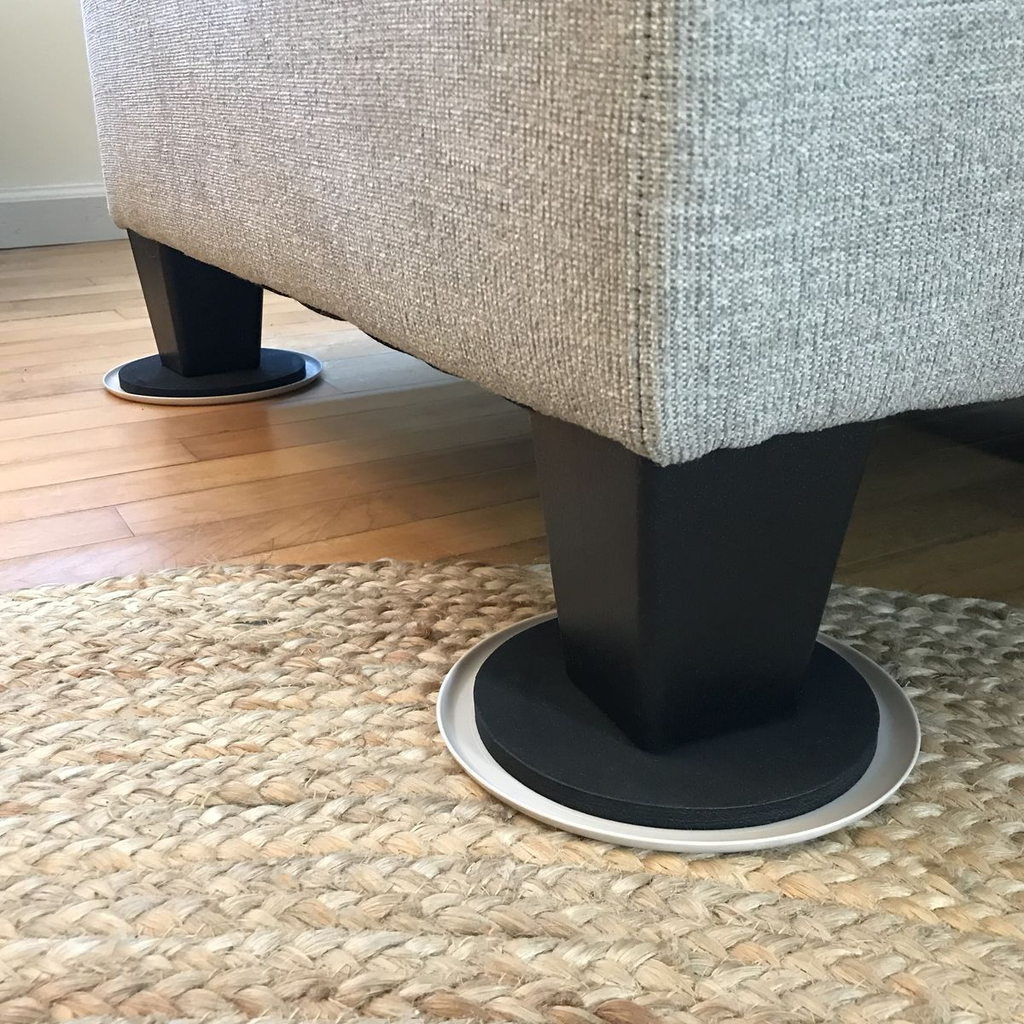
Bring furniture sliders. This sounds minor, but in a small apartment you’re often rearranging furniture multiple times in the first few hours as you figure out what actually fits where, and dragging a dresser across hardwood without sliders is how you end up with a damaged floor and a security deposit dispute six months later.
Pro tip: take photos of your empty apartment — floors, walls, appliances — before you bring in a single box. This is the single most-skipped step on move-in day, and it’s the difference between getting your full deposit back and arguing over a scuff mark that was already there.
If you’re using movers, confirm in advance whether they can navigate your specific building — stairs only, narrow hallways, tight turns.
Some moving companies charge extra for “long carry” situations (when the truck can’t park close to the entrance), and finding that out on move-in day instead of during booking is an unpleasant surprise nobody needs.
The First Week: Unpack With the Space, Not Against It
The instinct in a small apartment is to unpack everything immediately so it feels “done.” I’d actually push back on that. Unpack the essentials first, live in the space for a few days, and then make storage and furniture-placement decisions based on how you actually move through the apartment — not how you assumed you would from the empty floor plan.
I redid my kitchen cabinet organization three times in my first two weeks in a small apartment before I landed on something that worked, because the “logical” setup on paper didn’t match how I actually cook.
That’s normal. Give yourself permission to adjust instead of forcing everything into place on day one.
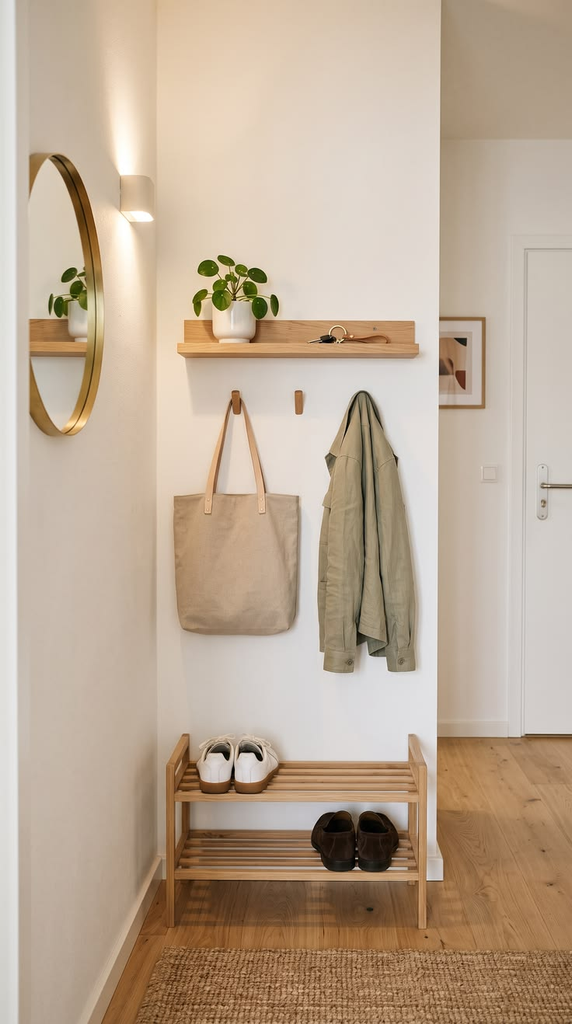
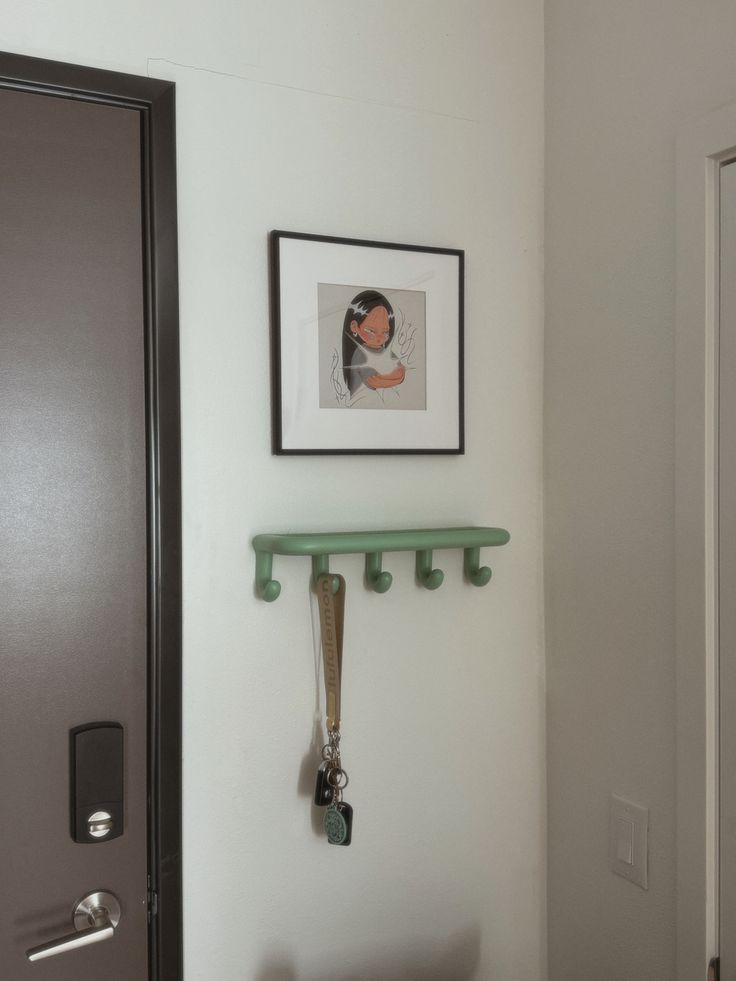
This is also the point to finally hang things — mirrors, shelving, hooks by the door for keys and bags. Small apartments benefit disproportionately from vertical storage and wall-mounted organization because floor space is the scarcest resource you have.
A few honest, well-placed hooks and shelves do more for a tiny apartment’s function than most furniture purchases.
What I’d Do Differently If I Were Starting Over
If I were moving into a small apartment again tomorrow, I’d measure the building’s tightest turn before I bought a single piece of furniture, I’d book the elevator reservation the same day I got my keys, and I’d buy the sturdier storage pieces the first time instead of replacing the cheap ones a month later.
None of that is glamorous advice, but it’s the difference between a move-in that feels manageable and one that feels like you’re fighting your own apartment for the first month.
Small spaces reward planning more than big ones do — there’s just less room for error, and less room to hide the stuff you didn’t deal with. Get the sequencing right, and the rest of it actually comes together faster than you’d expect.


Leave a Reply