
I scrolled past a color-drenched living room on Pinterest last month — every surface in the same deep, saturated green, walls included — and my first genuine thought wasn’t “gorgeous,” it was “absolutely not happening in my rental.”
That’s usually where trend content leaves renters stranded: gorgeous ideas, zero acknowledgment that most of us can’t actually paint a wall without a repaint clause waiting for us at move-out.
Rental-friendly decor trends for 2026 are worth paying attention to specifically because a genuinely good trend translates into a removable, reversible version without losing what made it appealing in the first place.
The color-drenching trend I mentioned, for instance, still works beautifully as a renter — you just get there with peel-and-stick wallpaper or textiles instead of five gallons of paint, and the visual effect is closer to the original than you’d expect.
I’m walking through the trends I think are actually worth trying this year specifically as a renter, with the realistic, deposit-safe version of each one, because a trend that only works if you own your walls isn’t actually useful to most of the people reading a rental decor post in the first place.
Color Drenching, the Renter Way
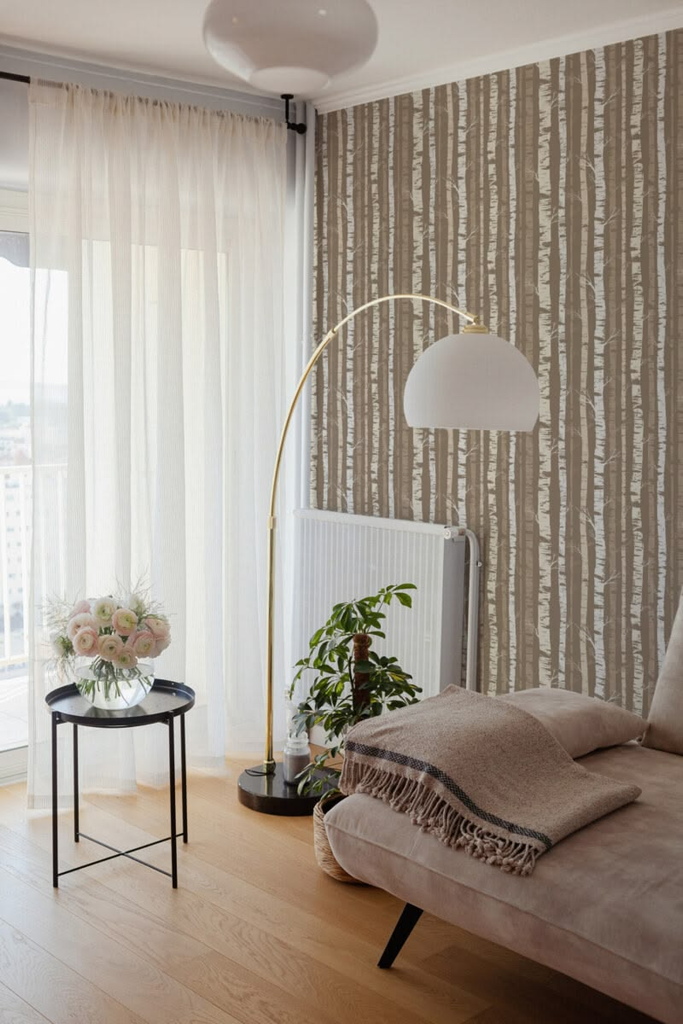
Color drenching — saturating a whole room or a large section of it in one deep, cohesive tone rather than a single accent wall — has been building for a couple of years now and is genuinely one of the biggest trends going into 2026, but it’s traditionally a paint-heavy trend, which makes it tricky for most renters.
The renter-friendly version leans on large-scale peel-and-stick wallpaper in a solid, saturated tone, paired with textiles — curtains, a rug, throw pillows — in the same or a closely adjacent color family, so the whole room reads as intentionally monochromatic even though the walls themselves might still be their original white.
Pro tip: If a full wall of saturated peel-and-stick wallpaper feels like too big a commitment, apply it only to the ceiling instead — a colored ceiling with white walls below it is a specific, increasingly popular variation on this trend, and it’s a smaller surface area to commit to both financially and in terms of adhesive application effort.
Curated Maximalism Over Sparse Minimalism
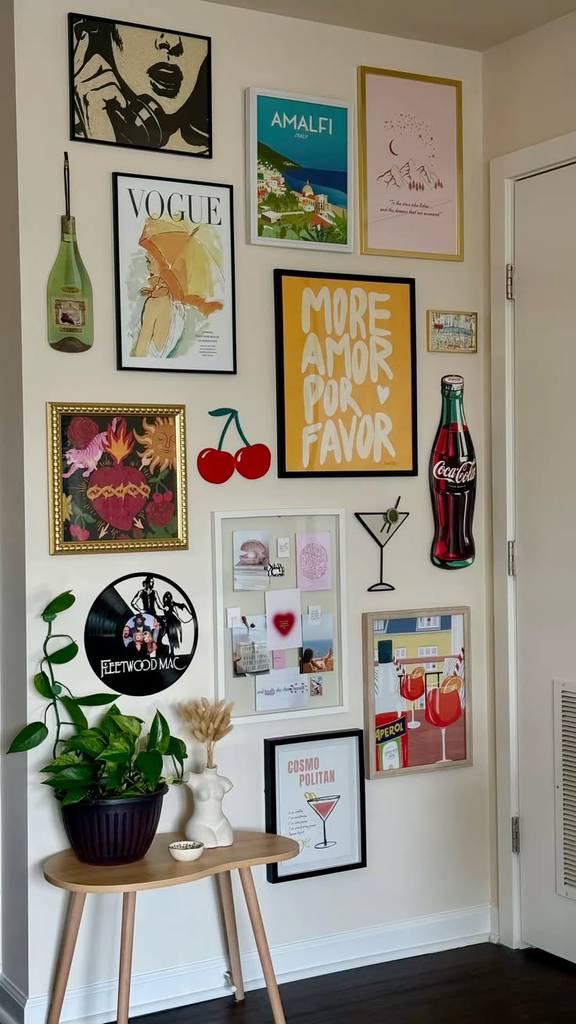
The extremely minimal, mostly-empty-wall aesthetic that dominated apartment decor for years is giving way to a denser, more personal, curated-maximalist look for 2026 — think gallery walls, layered textiles, and genuinely full bookshelves rather than a few carefully spaced objects on an otherwise bare shelf.
This shift is actually great news for renters, since a lot of what makes this look work is exactly the kind of removable, layered decor that’s always been rental-friendly by nature: Command-strip gallery walls, freestanding shelving, and textiles rather than built-ins.
My friend Jules went all-in on this for her studio’s one accent wall, layering close to 30 small framed prints and photos using Command strips over about two months, and it’s become the first thing everyone comments on when they see her space — more than any single expensive piece would have gotten her.
Pro tip: Build a curated-maximalist gallery wall gradually rather than all at once — not only does it match how the trend is actually meant to look (accumulated over time, not purchased as a finished set), it also spreads out the cost of framing and printing rather than hitting you all at once.
| Trend | Renter-Friendly Approach | Approx. Starting Cost | Commitment Level |
|---|---|---|---|
| Color drenching | Peel-and-stick wallpaper + matching textiles | $40-$100 | Moderate |
| Curated maximalism | Gallery wall built with Command strips over time | $20-$150 (spread out) | Low, builds gradually |
| Curvy, organic furniture | One or two statement pieces, freestanding | $150-$500+ per piece | Low — furniture moves with you |
| Grandmillennial revival | Secondhand/vintage textiles and small pieces | $10-$80 per piece | Very low |
| Warm minimalism / quiet luxury | Textured peel-and-stick wallpaper, tonal palette | $30-$90 | Moderate |
Curvy, Organic-Shaped Furniture
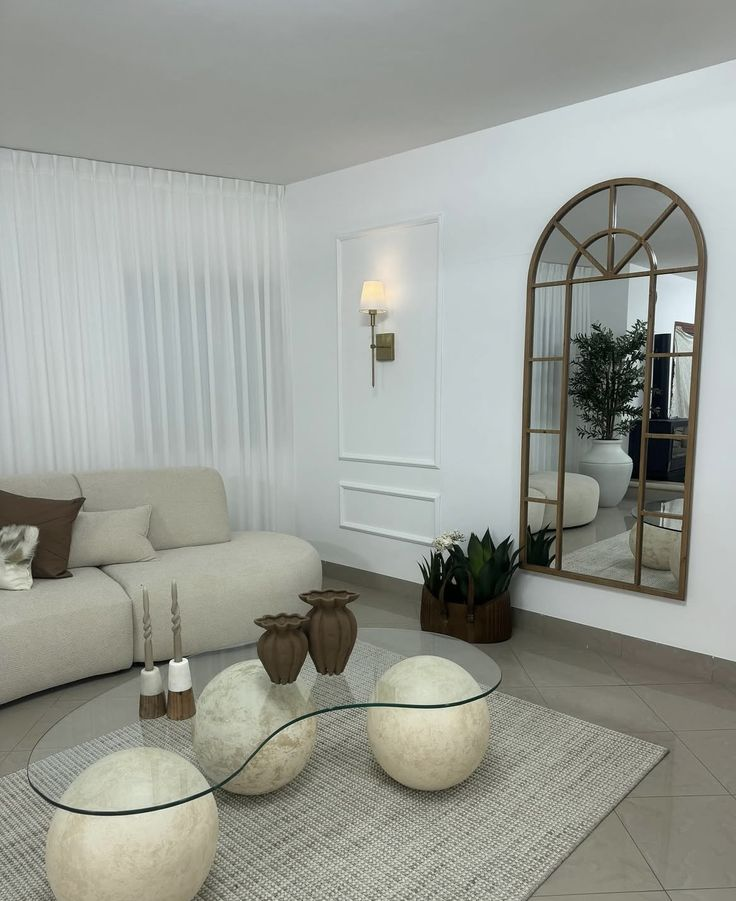
Sharp, angular furniture is giving way to rounded, organic silhouettes for 2026 — curved sofas, rounded coffee tables, arched mirrors — and this trend happens to be genuinely easy for renters to adopt, since it’s purely about furniture choice rather than anything structural or wall-based.
A single curved accent chair or an arched mirror can shift an entire room’s feel toward this trend without touching a single wall.
Pro tip: If a full curved sofa is outside your budget, a rounded coffee table or an arched mirror gets you most of the visual softness this trend is going for at a much smaller investment, and both pieces move easily to your next apartment.
The Grandmillennial Revival, Renter Edition
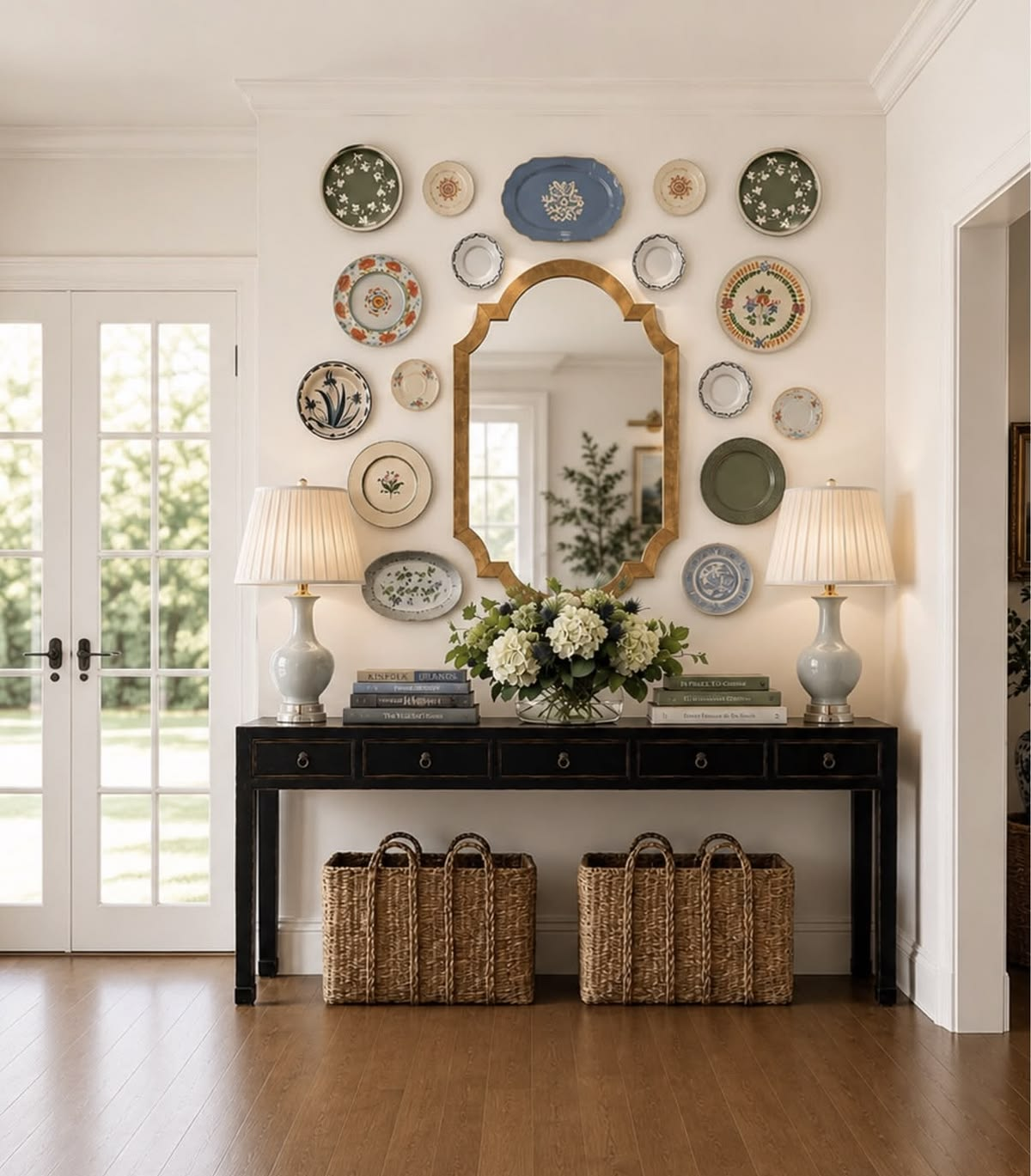
A mix of traditional, slightly old-fashioned pieces — ruffled trim, vintage ceramics, chintz-adjacent patterns — combined with more modern basics continues gaining ground into 2026, often sourced secondhand or from estate sales rather than bought new, which happens to align well with both the trend’s aesthetic (genuinely vintage pieces look more authentic than reproductions) and a renter’s budget.
This is one of the more affordable trends on this entire list precisely because thrifted and secondhand sourcing is part of the actual look, not a compromise version of it.
Pro tip: Look specifically for smaller accent pieces — a vintage lamp, a set of ceramic dishes displayed on open shelving, a single patterned throw pillow — rather than committing to full furniture pieces in this style right away, since it’s easier to build the look gradually and see whether it genuinely suits your space before a bigger investment.
Warm Minimalism and “Quiet Luxury” Textures
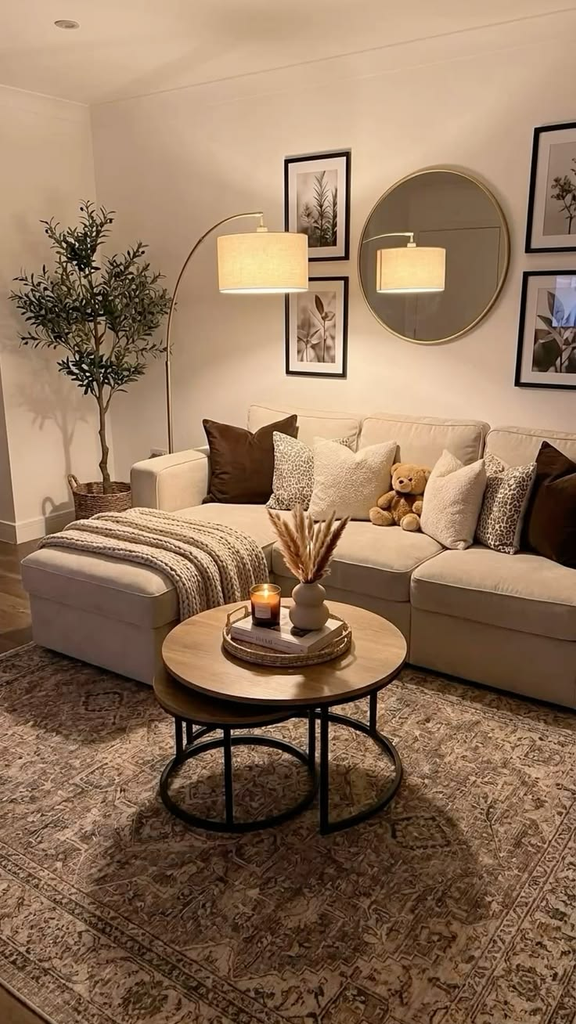
Rather than the stark white minimalism of a few years ago, 2026’s version leans warmer — think soft neutrals, natural materials, and genuine texture rather than flat, sparse surfaces.
For renters, this translates well through textured peel-and-stick wallpaper (grasscloth-look options specifically), natural fiber rugs, and warm-toned lighting rather than anything requiring permanent installation.
Pro tip: Layering two or three different natural textures — a jute rug, a linen throw, a woven basket — does more for this trend than any single expensive piece, since the “quiet luxury” feel comes from material variety and quality rather than one big statement item.
Fully Portable Smart Home Upgrades
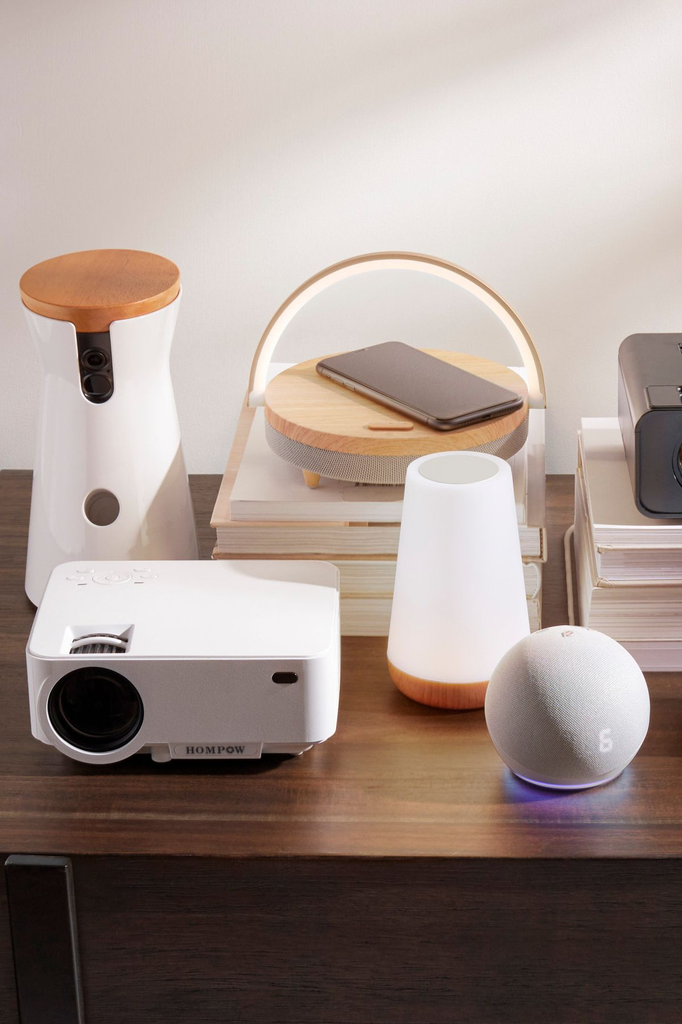
Smart home technology continues moving toward more portable, plug-and-play options rather than anything requiring hardwiring or permanent installation, which is genuinely good news for renters who’ve historically been locked out of a lot of smart home trends.
Smart plugs, battery-powered smart lighting, and portable smart displays let you build a genuinely tech-forward space without touching your rental’s actual wiring or fixtures at all.
Pro tip: Start with smart plugs before investing in fully smart fixtures — they retrofit onto lamps and appliances you already own, giving you scheduling and remote control capability for a fraction of the cost of replacing fixtures entirely, and they move with you to your next place without any installation at all.
Layered, Textural Rugs Rather Than One Statement Piece
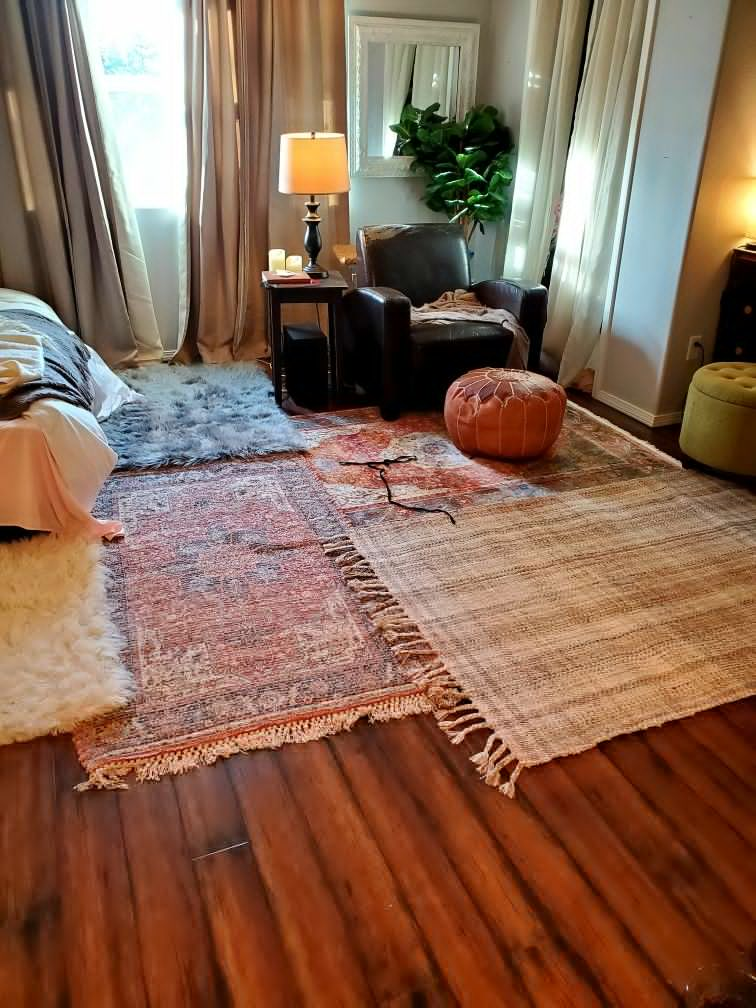
Rather than a single large area rug, 2026’s rug trend leans toward intentional layering — a smaller, textured rug placed over a larger flat-weave base — which adds visual depth and warmth without requiring anything more permanent than what renters have always been able to do with flooring.
This works especially well in a rental specifically because it protects existing flooring while adding real design interest.
Pro tip: Choose rugs in complementary but not identical tones for a layered look rather than matching them exactly — a close-but-not-matching pairing reads as more intentional and collected than two rugs that look like they came from the same set.
What I’d Actually Try First for My Own Rental in 2026
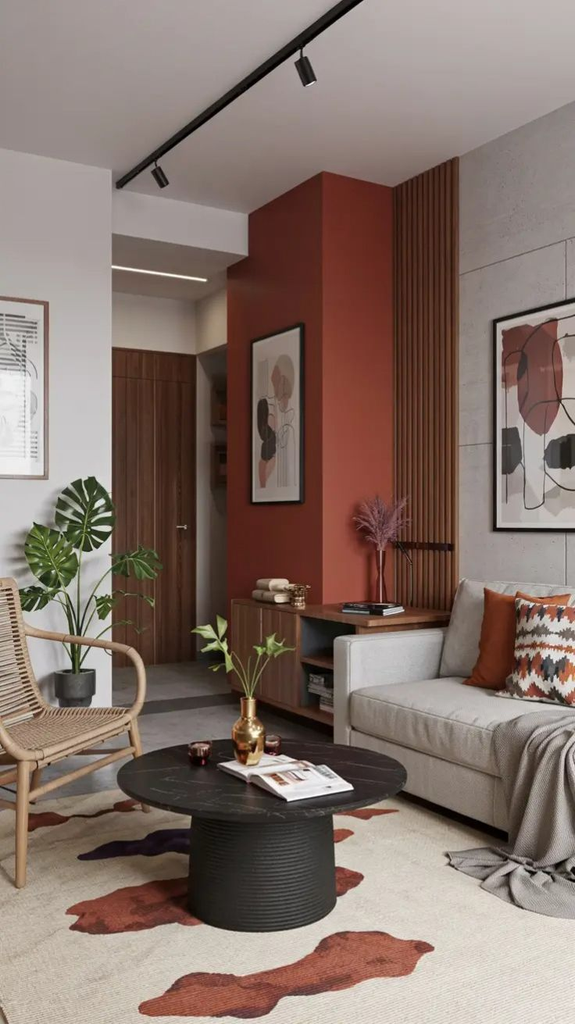
If I were updating my own rental for these 2026 trends and had to pick just one or two to start with, I’d go with the layered rug trend first, since it’s the lowest-commitment, lowest-cost option on this entire list and genuinely changes how a room feels underfoot and visually.
After that, I’d start building a curated-maximalist gallery wall gradually, since it’s a project that grows more interesting over time rather than needing to be finished and photographed on day one.
The real thing that’s changed about rental decor trends going into 2026, compared to a few years ago, is that a lot of what’s actually popular right now was always achievable for renters — it just wasn’t being marketed that way.
Color, texture, and curated collections have always been more accessible than a full paint job or a structural renovation, and it’s genuinely nice to see the trends finally catching up to what renters have been figuring out on their own for a while.





Leave a Reply