21 Shade Garden Ideas That Will Transform Your Outdoor Space Into a Lush Paradise!
It’s impossible to escape the sun completely, but there are plenty of ways to create a shady sanctuary in your backyard.
The easiest way? Plant a garden!
We’ve rounded up the best shade garden ideas to inspire your next outdoor project, whether you’re looking to plant a flower bed, vegetable garden, or container garden.
All of these shade garden ideas will help you create a lush, green oasis that feels cool and refreshing.
And, of course, they’ll be beautiful to look at!
1. Create a Woodland Walk
This garden designed by Susanne Hudson is the perfect example of how to make a woodland walkway feel like a lush paradise. Not only does the stone path add an enchanting element to the garden, but the surrounding greenery and pops of color make it feel like a fairytale.
The key to creating a woodland walkway is to keep the garden looking natural. You can do this by using a variety of different plants and flowers and placing them in a way that feels organic. Be sure to include plenty of shade-loving plants like ferns, hostas, and heucheras.
2. Add a Water Feature
Shade gardens are already known for their calming, serene atmospheres, so why not add a water feature to enhance the mood? The sound of trickling water is incredibly relaxing, so you’ll love how it makes your garden feel like a private oasis. Plus, there are so many different options to choose from, like fountains, ponds, and more!
3. Use Containers on Decks and Patios
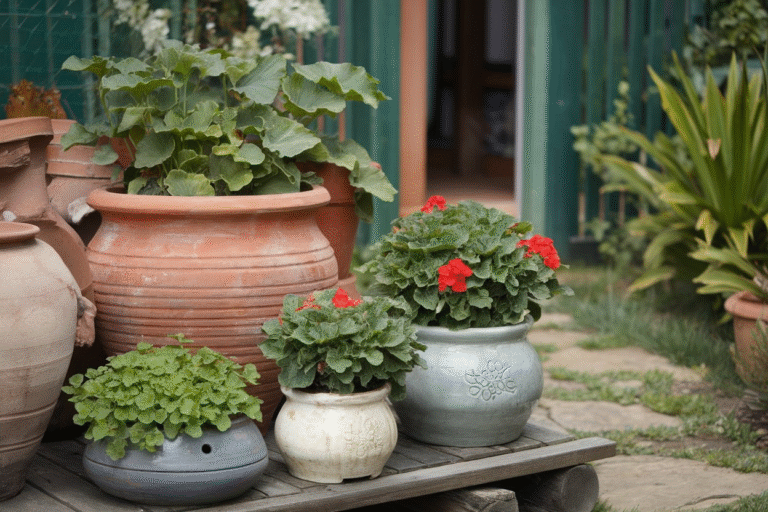
If your outdoor space is covered, you can still create a container garden. In fact, you can even create a container garden in a shady spot in your yard. Ferns and hostas are great options, and you can even add in some impatiens or fuchsia for a pop of color.
If you have a covered deck or patio, look for large containers that are perfect for growing shade-loving plants. You can even create your own container garden by combining different types of plants in one pot. Just be sure to choose plants that have similar water and light requirements.
4. Plant a Tree
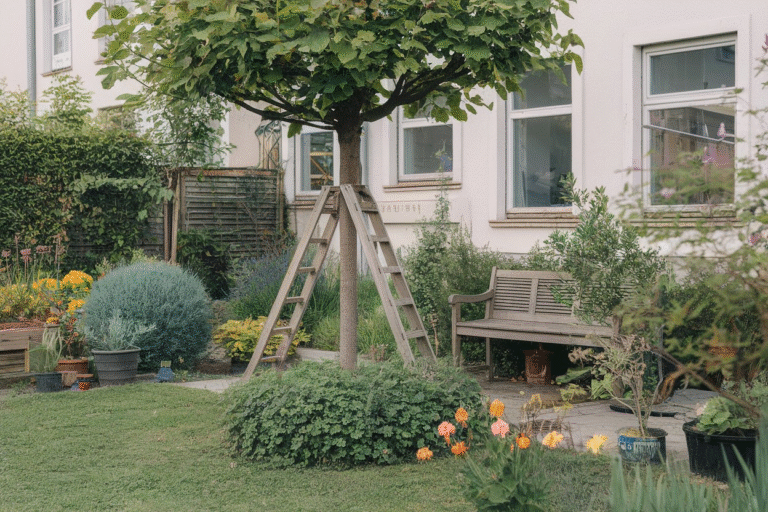
If you have the space, a tree can create a shady spot in your garden that’s perfect for more sun-sensitive plants. Plus, planting trees is a great way to add shade to your yard, cool the air, and create a habitat for birds.
When choosing a tree for your garden, consider the size of your space, the amount of sunlight the area receives, and the type of soil. You’ll also want to consider how much shade you want the tree to provide and what other plants you plan to grow beneath it.
5. Add a Bench or Seating Niche
If you have a small space, you can still create a seating area. A bench or built-in seating niche can be a great way to make the most of your space. In this garden, a built-in stone bench is nestled among the plants, providing a quiet spot to relax and take in the beauty of the garden.
If you prefer a more traditional bench, you can place it in a shady spot where it won’t be in the way of your plants. You can also add a bench to a pathway, creating a little rest stop along the way.
6. Use Statuary
Statues and sculptures are a great way to add visual interest to a shady garden. You can choose pieces that reflect your own personal style, or go for a more whimsical look with animal or fairy statues.
When placing statuary in your garden, be sure to take into account the surrounding plants. You don’t want to place a beautiful sculpture where it will be overshadowed by a large plant, or where it will detract from the beauty of your flowers.
In this garden, a classic statue is placed on a pedestal to create a focal point. The surrounding ferns and hostas add to the sense of serenity in this garden.
7. Lighten Up
When you think of shade, you might think of dark, cool areas of your yard. But that doesn’t have to be the case. Just because you’re planting in the shade doesn’t mean you can’t have a light and airy garden.
In this garden by designer Charlotte Harris, a white and green color palette creates a fresh and bright look. The white flowers pop against the dark green foliage, and the garden’s layout makes the most of the available sunlight.
8. Add a Pop of Color
If you’re feeling like your shade garden is looking a little bland, you can add in some pops of color with flowers like these.
This garden is mostly filled with greenery, but the bright blooms add a fun touch to the space.
9. Grow a Moss Lawn
Moss is a great alternative to grass if you’re looking for a low-maintenance lawn. Not only does it grow well in shade, but it also doesn’t require mowing or fertilizing. Moss is also drought-tolerant, so you don’t have to worry about watering it as much as you would grass.
If you’re worried about growing a moss lawn, you can also use moss as a filler in between stepping stones or as a ground cover in your garden.
10. Create a Focal Point
Just because you’re working with a tight space doesn’t mean you have to skimp on style. This small shade garden by Urban Oasis uses a variety of potted plants to add color and dimension. A pair of small trees planted in large pots anchor the space and create a focal point at the end of the garden.
A few simple chairs and a small table provide a spot for relaxing and enjoying the view. Pro tip: To make a small space feel larger, position the tallest plants at the back of the garden and work your way forward.
11. Plant a Path
The most effective way to add a pop of color to your garden is to line the path with a variety of plants. This garden, designed by Aloe Designs, is filled with a mix of annuals and perennials, including foxglove, hostas, and impatiens.
The best part? This garden gets better as the summer goes on, as the foxglove and impatiens bloom and the hostas grow larger.
12. Add Some Sparkle
If you have a dark corner in your garden, adding a bit of sparkle is a great way to brighten it up. This garden is filled with ferns and hostas, creating a beautiful, lush look. But the pathway is what really takes the space to the next level. The white pebbles catch the light and reflect it, making the garden look brighter and more inviting.
You can also add a bit of sparkle with a water feature, a gazing ball, or even a mirror.
13. Grow a Ground Cover
Ground cover plants are a great way to fill in a large area of your garden with lush greenery. Many ground cover plants are low-growing, spreading plants that are great for covering the ground and preventing weeds from growing.
Hostas are a great option for a shade garden; they have beautiful foliage, and they grow well in shady areas. Other popular ground cover plants for shade gardens include sweet woodruff, dead nettle, and lungwort.
When choosing a ground cover plant for your shade garden, be sure to consider how quickly it spreads. Some ground cover plants can be very aggressive and take over your garden.
14. Use a Trellis
If you don’t have a lot of space to work with, consider using a trellis to create a vertical garden. You can grow climbing plants like ivy, clematis, and wisteria, or you can add hanging planters to your trellis.
This garden designed by Aloe Designs features a trellis with hanging planters, which adds a pop of color to the space.
15. Plant a Window Box
Even if you don’t have a backyard, you can still create a lush garden space by planting a window box. These small containers are great for growing shade-loving annuals like impatiens and fuchsia. And since they’re located right outside your window, you can enjoy the beautiful view from the comfort of your own home.
Pro tip: To create a more cohesive look, stick to a limited color palette and choose plants that have similar light and water requirements.
16. Get a Little Whimsical
If you’re the kind of gardener who loves a good theme, then a whimsical garden is right up your alley. This garden features a mix of shade-loving plants, but the focal point is the charming fairy garden.
The mini garden is nestled in a shady spot and features tiny houses, a bridge, and a winding path. The best part about fairy gardens is that you can customize them to your liking and add or remove elements as you see fit!
17. Create a Secret Garden
The perfect shade garden is like a secret garden, and this one by The Garden Glove is just that. A vintage door sets the stage for a pathway flanked by shade-loving plants that leads to a secluded seating area. The door adds a bit of whimsy and an element of surprise to the space, and you can find a vintage door at a salvage yard or thrift store to DIY your own secret garden entrance.
18. Plant a Rock Garden
If you have a sloped yard, a rock garden is a great way to add plants and flowers to your space. This garden by Black N White House R6 features a variety of shade-loving plants, including hostas, ferns, and heuchera.
The rocks help to create different levels, and the plants spill over the sides of the garden, creating a beautiful, natural look. Plus, the rocks help to prevent erosion, which is important in a sloped yard.
19. Add Some Fragrance
Fragrant flowers, like dianthus, bleeding heart, and lily of the valley, blossom in the spring and summer. They’re perfect for adding a sweet scent to your garden.
In the fall, plant some sweet autumn clematis, ginger, or toad lily for a nice fragrance.
20. Grow a Shade-Loving Vegetable
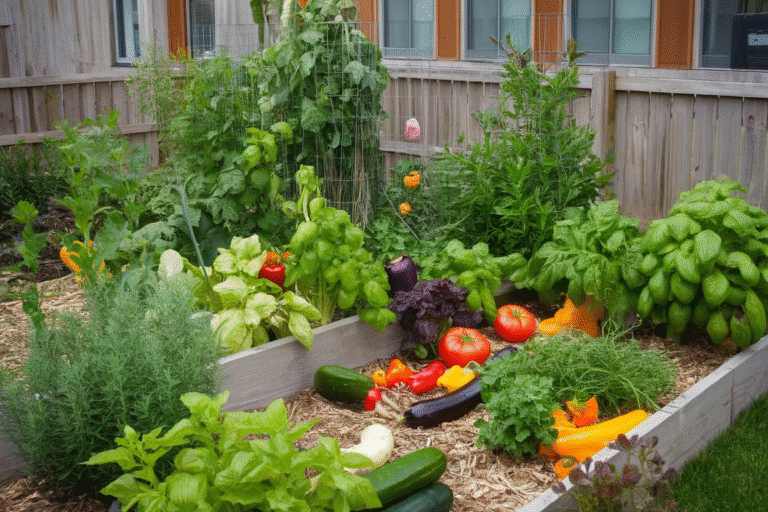
There are some vegetables that thrive in the shade! Lettuce, spinach, and kale are a few of the veggies that can actually do better in the shade. This is because the sun can cause leaves to wilt, and when leaves wilt, the flavor can become bitter.
Planting lettuce in the shade can help it stay tender and sweet. This is especially helpful in the summer months when the sun is stronger and can cause lettuce to go to seed (flower and produce less leaves).
21. Enjoy the Peace and Quiet
Many of the plants that thrive in shade are known for their calming effects. If you’re looking to create a more peaceful outdoor space, a shade garden is the way to go.
Incorporate a variety of textures, colors, and heights to keep things interesting, and be sure to include plenty of comfortable seating options so you can enjoy your beautiful garden.
Conclusion
Shade gardens can be so much more than a few plants under a tree. With the right planning and a few of our tips and tricks, you can transform your shady spot into a lush and inviting oasis that you’ll want to spend all of your time in.