25 Built in Bar in Basement Ideas: Stunning Designs for Entertaining
Looking to transform your basement into the ultimate hangout spot? Imagine having a stylish built-in bar right where you entertain friends and family.
Whether you want a cozy nook for quiet evenings or a lively space for weekend parties, the right basement bar can completely change how you use your home.
In this post, you’ll discover 25 inspiring built-in bar ideas that fit every style and budget.
Ready to make your basement the place everyone wants to be? Keep reading—you’ll find ideas that spark your creativity and help you design a bar that’s perfect for your space and lifestyle.
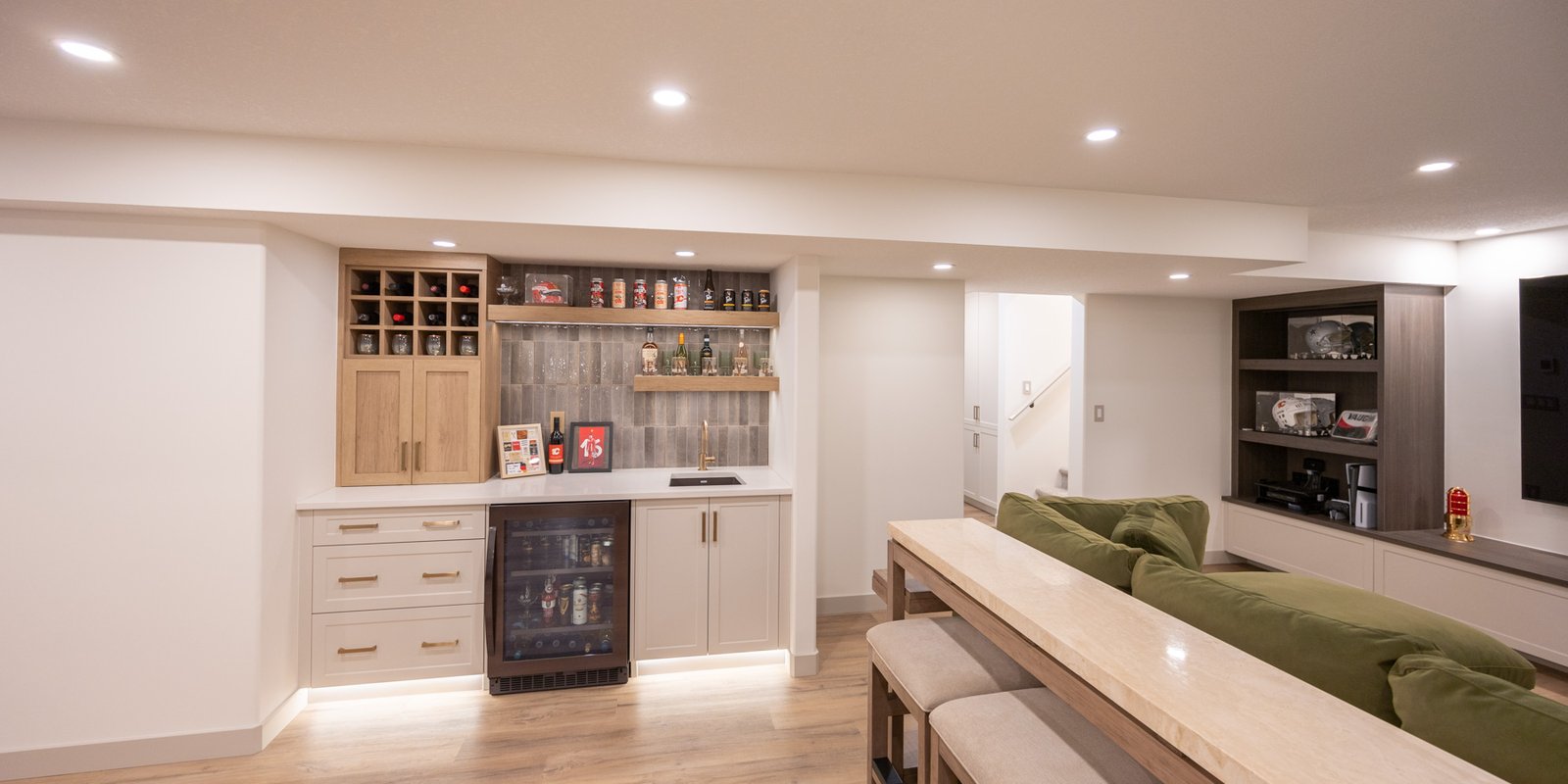
Credit: www.thebasementbuilders.ca
Design Styles
Rustic vibes create a warm and cozy basement bar. Use wood, stone, and soft lighting. Exposed beams and vintage decor add charm. This style feels inviting and homey.
Modern minimalism keeps the space sleek and clean. Choose simple lines and neutral colors. Use glass, metal, and smooth surfaces. Less clutter means more focus on the bar itself.
Industrial edge features raw materials like metal and brick. Pipes and Edison bulbs make the space edgy. Dark colors and rugged textures add character.
Farmhouse charm blends rustic and modern. Whitewashed wood, shiplap walls, and cozy seating work well. Soft colors and natural fabrics make it relaxing.
Sports bar themes bring fun and energy. Decorate with team colors, memorabilia, and big screens. Bar stools and high tables create a casual vibe. Perfect for game days and friends.
Space Planning
Bar length depends on available space and purpose. A small bar might be 4 to 6 feet long, ideal for intimate gatherings. For larger groups, 8 to 12 feet offers enough room for drinks and guests.
Choose seating based on bar style. Bar stools line the counter for casual seating. A banquette or bench adds cozy comfort. Mix seating to fit your space and guest needs.
Walk-up bars allow guests to approach from one side only. Walk-behind bars offer space for servers to move behind the counter. Pick the style that fits your basement layout best.
Maximize small basements by using compact bar designs. Consider corner bars or bars with built-in storage. Mirrors and good lighting create a sense of space. Keep the area clutter-free for better flow.
Functional Features
Built-in sinks in basement bars make cleaning easy and fast. They help with washing glasses and preparing drinks.
Storage solutions keep the bar neat. Use cabinets, shelves, and drawers to store bottles, glasses, and tools. Open shelves show off your collection.
| Appliance | Benefit |
|---|---|
| Mini fridge | Keeps drinks cold and ready |
| Wine cooler | Stores wine at perfect temperature |
| Ice maker | Provides ice without leaving the bar |
Lighting ideas create a warm mood. Use LED strips under shelves or soft overhead lights. Dimmable lights help set the right tone.
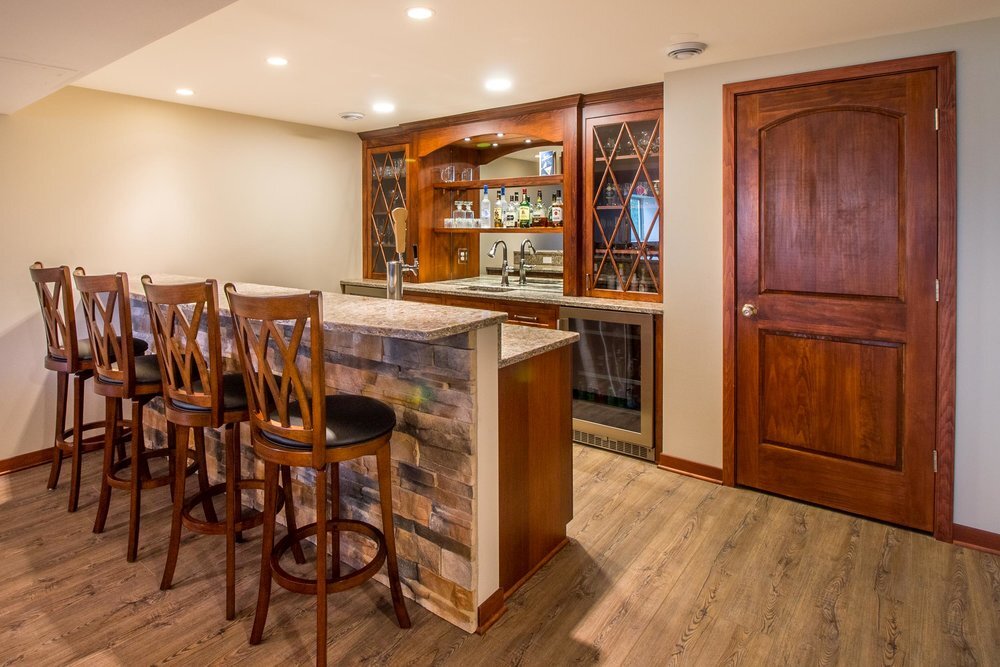
Credit: degnandesignbuildremodel.com
Materials And Finishes
Wood choices set the tone for your basement bar. Oak offers durability and a classic look. Maple brings a smooth, light finish that brightens the space. Walnut adds rich color and warmth. Pine is a budget-friendly option with a rustic feel. Mixing different wood grains can create unique styles.
Metal accents add a modern or industrial touch. Stainless steel is sleek and easy to clean. Brass gives a vintage, warm glow. Copper adds bold color and ages beautifully. Black iron or matte black metals create contrast and depth. These accents work well on handles, fixtures, and shelves.
| Countertop Options | Benefits |
|---|---|
| Granite | Strong, heat-resistant, and elegant |
| Quartz | Low maintenance and consistent color |
| Butcher Block | Warm, natural feel; easy to repair |
| Concrete | Customizable and industrial look |
Flooring ideas should balance style and function. Hardwood floors are timeless and cozy. Tiles offer easy cleaning and many patterns. Vinyl mimics wood or stone but costs less. Consider rugs to add softness and define the bar area.
Diy Vs Professional Builds
Planning your DIY bar means measuring space and choosing materials carefully. Think about the style and storage you want. Make a list of tools and supplies before starting. Simple projects save money but need time and effort. Safety is key when using power tools or heavy materials.
Hiring contractors can save time and reduce mistakes. Professionals bring experience and skill to complex tasks like plumbing and electrical work. They also help with permits and building codes. Getting multiple quotes ensures a fair price. Clear communication avoids surprises during the project.
Budget considerations include materials, labor, and extras like lighting or seating. DIY often cuts costs but requires patience. Professional builds cost more but offer speed and quality. Set a budget and keep track of expenses. Contingency funds help handle unexpected costs.
Entertaining Tips
Barware essentials include glasses, shakers, and stirrers. Stock a variety of glass types: cocktail, wine, and beer glasses. Use quality shakers for mixing drinks smoothly. Keep a good set of measuring jiggers for perfect pours. Stirrers and muddlers help with cocktail prep. Organize these tools neatly for easy access.
Creating a cozy atmosphere means using warm lighting and comfy seating. Soft lights, like LED strips or lamps, set a relaxing mood. Add plush stools or chairs for comfort. Decorate with rugs and cushions to make the space inviting. Use natural colors or wood finishes to enhance warmth.
Tech and sound systems make the bar lively. Install a good Bluetooth speaker or soundbar for music. Consider a small TV for sports or movies. Use smart lighting that changes color to match music beats. Keep wires hidden for a clean look. Technology adds fun without clutter.
Adding Value
A built-in bar in the basement can increase home value by making the space more attractive to buyers. It adds a unique feature that many homeowners want. Such bars can also help your home stand out in a crowded market.
Resale value depends on the bar’s design and quality. A neat, well-made bar fits most buyers’ tastes. Avoid styles that seem too personal or outdated to keep broad appeal.
Multi-use spaces boost your home’s functionality. The basement bar can serve as a party spot, a relaxation area, or a small kitchen. This flexibility is a big selling point for many buyers.
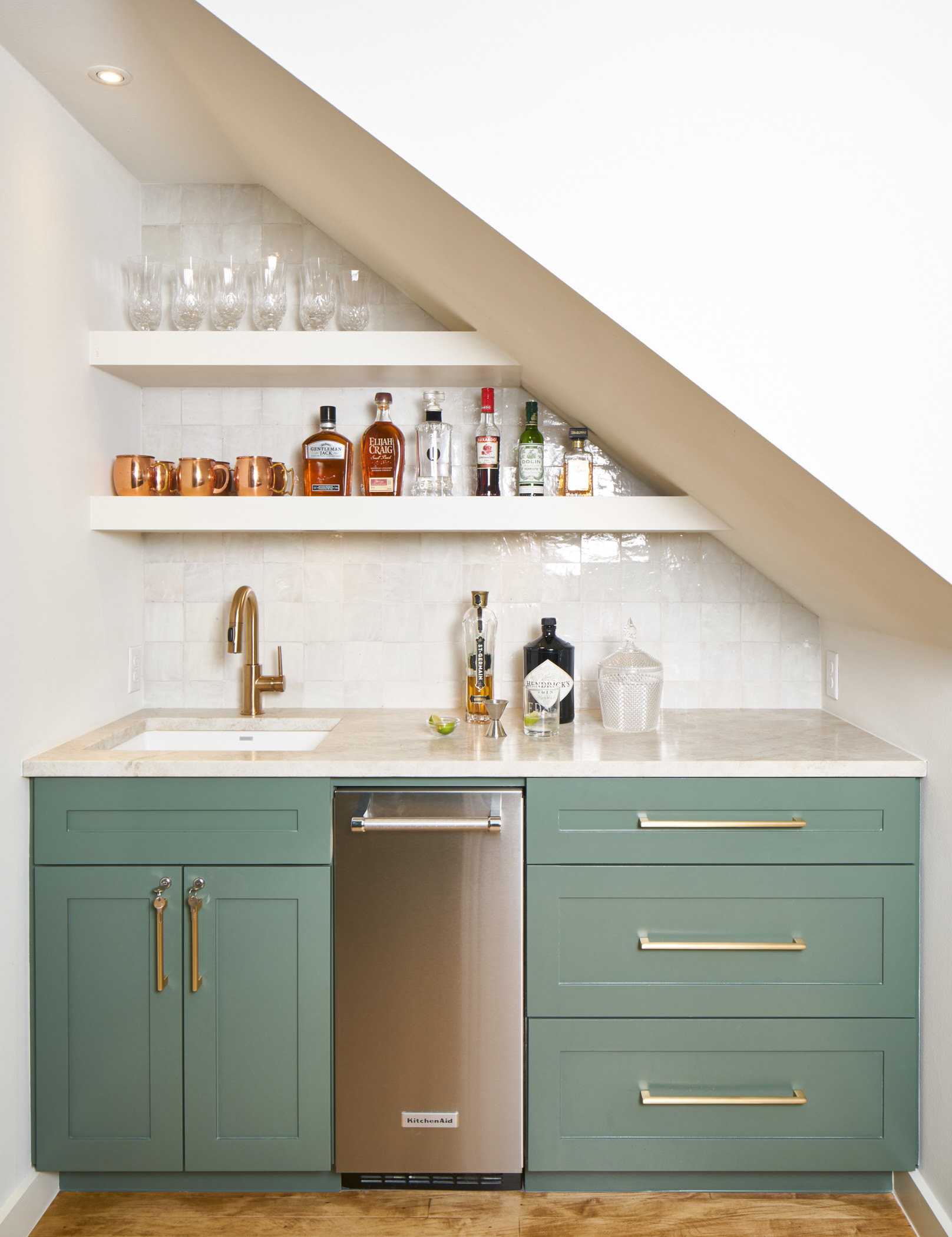
Credit: www.houzz.com
Frequently Asked Questions
What Is A Good Length For A Basement Bar?
A good basement bar length ranges from 6 to 12 feet, providing enough space for seating, storage, and a sink. Choose size based on available space and intended use.
Does A Bar In The Basement Add Value?
A basement bar can increase home value by enhancing entertainment space. It appeals to buyers seeking social and leisure areas. Quality design and functionality boost its worth. However, value depends on local market preferences and overall home condition.
What Are The Basement Trends In 2026?
Basement trends in 2026 focus on multifunctional spaces, eco-friendly materials, smart lighting, built-in wet bars, and cozy, minimalist designs.
What Is A Bar In A Basement Called?
A bar in a basement is commonly called a wet bar or home bar. It typically includes a sink and storage.
Conclusion
A built-in basement bar adds style and function to your home. These 25 ideas show how to create a cozy, inviting space. Choose designs that fit your taste and room size. A well-planned bar makes gatherings more fun and relaxing.
Use smart storage and lighting to enhance the look. Your basement can become the favorite spot for friends and family. Start small or go big—any upgrade brings value and joy. Enjoy crafting a space where memories will grow for years.