

A friend asked me last month where I got my living room mirror, guessed it was from a specific high-end home store, and genuinely didn’t believe me when I told her it was a $12 thrifted frame and a can of gold spray paint.
That reaction — the slight disbelief when the cheap version actually reads as expensive — is honestly the whole appeal of cheap DIY decor done right, and it’s a different skill than just “buying budget versions” of expensive things.
Cheap DIY decor ideas that look high end aren’t really about finding secretly expensive-looking cheap products, even though that’s how the category gets marketed.
It’s about understanding a handful of specific techniques — finish, scale, grouping, and material illusion — that expensive decor actually relies on, and then applying those same techniques to genuinely inexpensive materials.
Once you understand that gold spray paint and a good frame do most of the visual work a real gold mirror would, an entire category of decor becomes accessible in a way that just browsing a budget store’s clearance section never quite gets you to.
I’m grouping these 23 ideas by the specific technique doing the heavy lifting — paint and finish tricks, framing and art, textiles, vases and styling objects, lighting, and furniture illusions — because once you understand why a technique works, you can apply it to plenty of things beyond just the specific example I’m using.
Paint and Finish Tricks That Do Most of the Work
1. Spray-painting thrifted frames and hardware in one unified metal tone
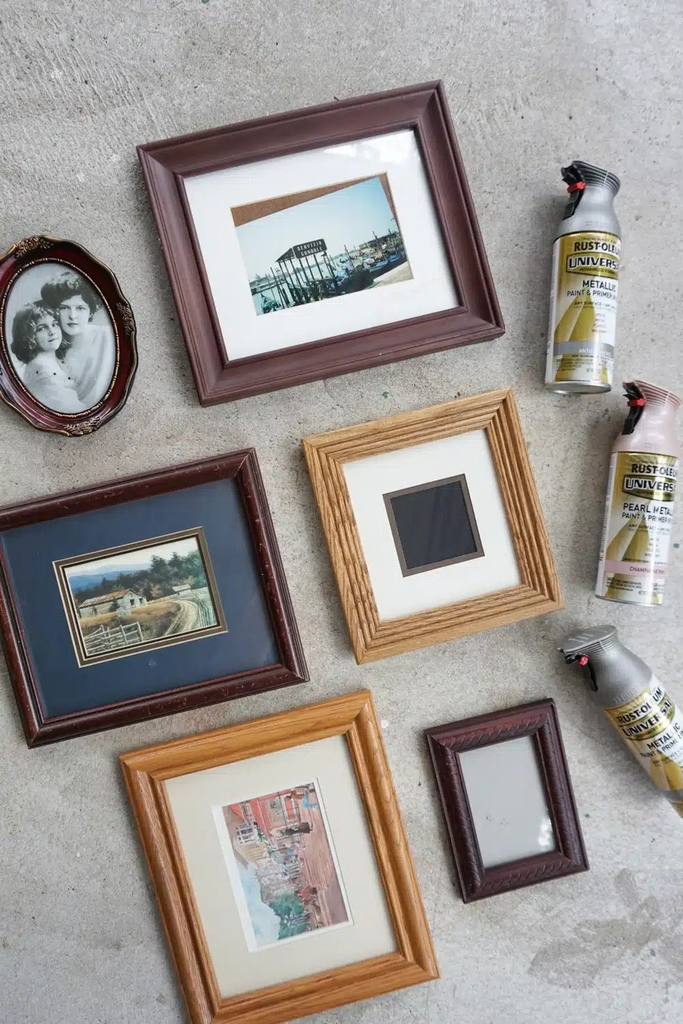
A mismatched collection of thrifted frames, cabinet knobs, or small decor objects instantly reads as more expensive and intentional once everything is spray-painted the same metal tone — gold, brass, or matte black are the most reliably high-end-reading choices right now.
This single trick is responsible for more of my own “wait, that was cheap?” moments than almost anything else on this list.
Pro tip: Do three light coats rather than one heavy one, with drying time between each — a single thick coat of spray paint is the number one reason DIY spray paint projects look cheap rather than expensive, since it tends to drip and pool in a way that reads as amateur.
2. Faux marble contact paper on a side table or tabletop
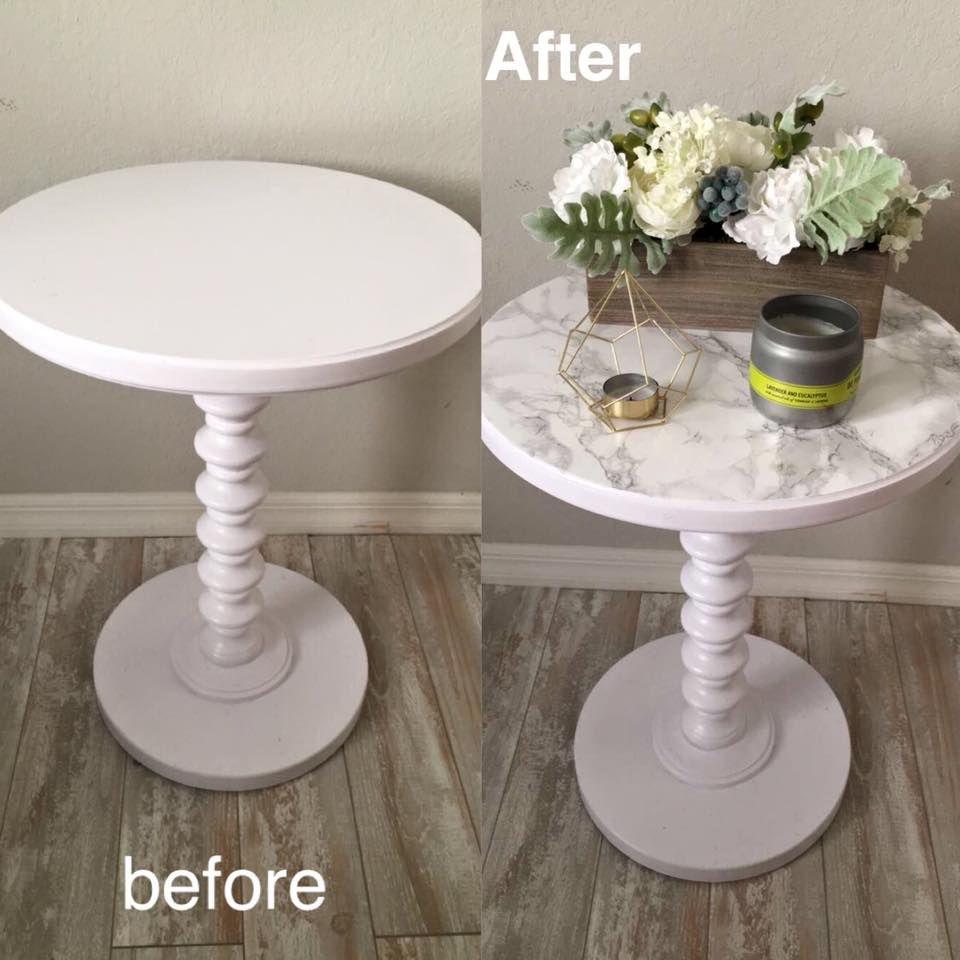
Marble reads as luxury almost universally, and modern faux marble contact paper has gotten genuinely convincing at a normal viewing distance, letting you transform a plain laminate side table or tabletop for a few dollars rather than buying actual stone furniture.
3. A matte black or deep color paint update on dated brass or gold fixtures
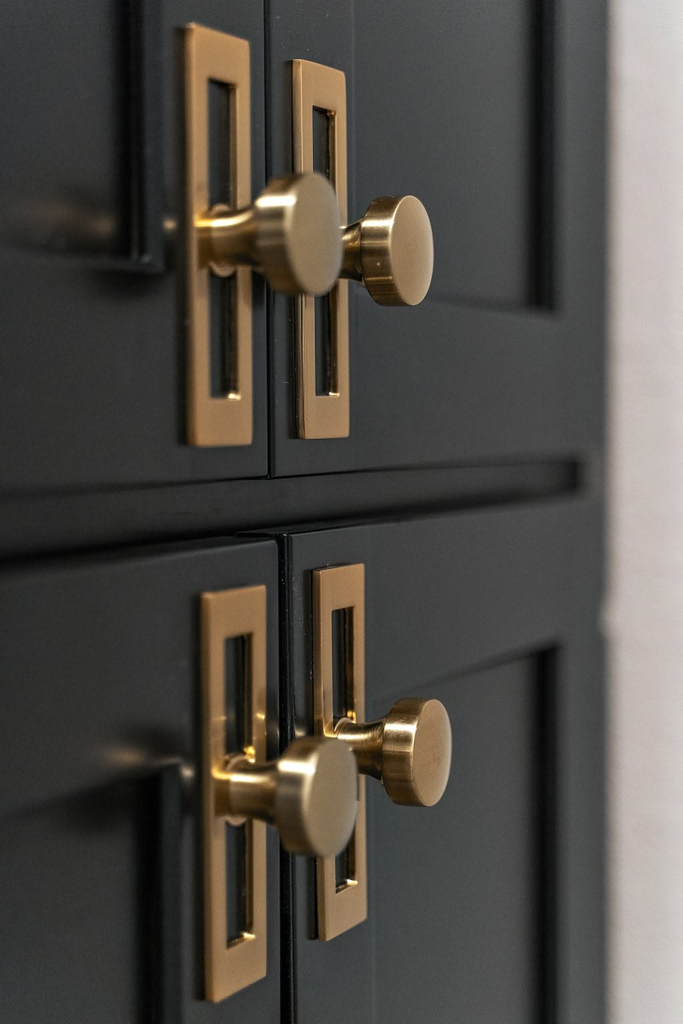
Older, dated brass fixtures — cabinet hardware, a lamp base, a mirror frame — read as outdated rather than luxurious in their existing finish, but a matte black or deep jewel-tone paint update on the same object completely changes the perception without requiring a replacement purchase at all.
| Cheap Material/Technique | Expensive Equivalent It Mimics | Approx. Cost | Effort Level |
|---|---|---|---|
| Spray-painted thrifted frame | New designer mirror or frame | $10-$20 | Low |
| Faux marble contact paper | Real marble tabletop | $15-$30 | Low-moderate |
| Textured plaster wall art (DIY) | Gallery-purchased textured art | $10-$25 | Moderate |
| Fabric-recovered lampshade | New designer lamp | $10-$20 | Moderate |
| Thrifted vase + new paint finish | New ceramic designer vase | $5-$15 | Low |
4. Ombre or color-blocked accent furniture
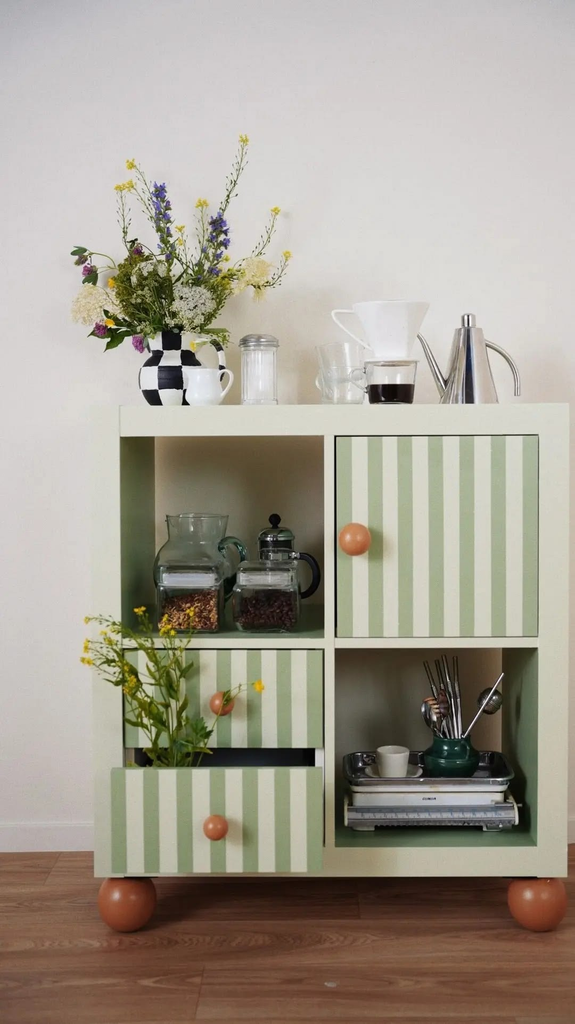
A simple, dated piece of furniture — a small dresser or side table — gets a genuinely custom, high-end look through an ombre gradient or a deliberate color-blocked paint pattern, which is a technique you’d typically only see on custom or higher-end furniture rather than mass-market pieces.
Pro tip: Use painter’s tape and a level for color-blocked designs specifically — a crooked color line is the fastest way to make this technique look like an amateur mistake rather than an intentional design choice.
Framing and Art That Punch Above Their Cost
5. Oversized art from an inexpensive print and a substantial frame
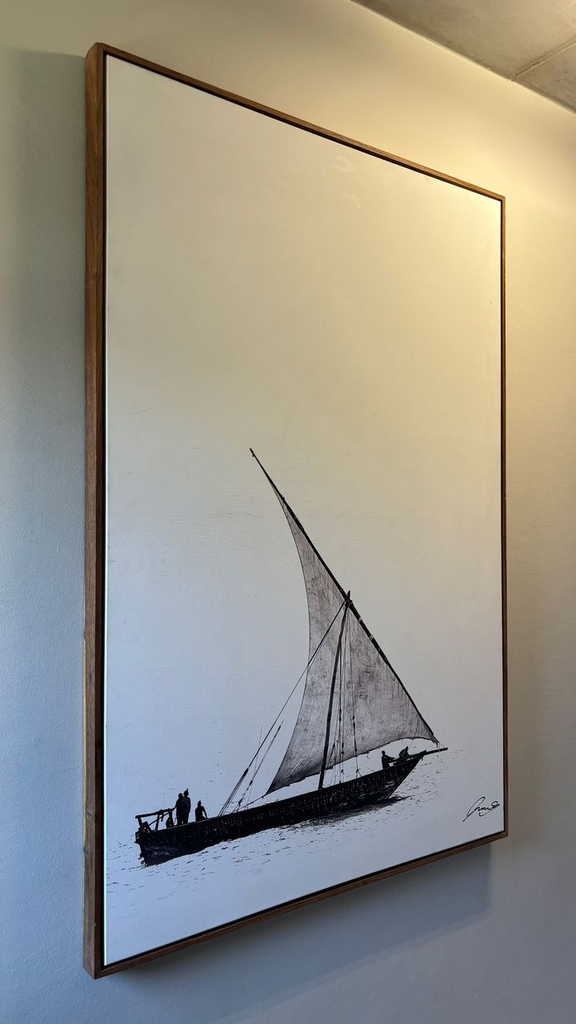
A single large-scale print, even an inexpensive digital download printed at a local print shop, reads as genuinely high-end once it’s in a substantial, well-proportioned frame, since scale and framing quality do more visual work than the print’s original cost ever will.
My friend Colette did this with a $6 printable file and a $35 frame from a discount frame store, and the finished piece looks like something that belongs in a proper gallery rather than something assembled for under $50 total.
6. A gallery wall unified by matching frames and mat color
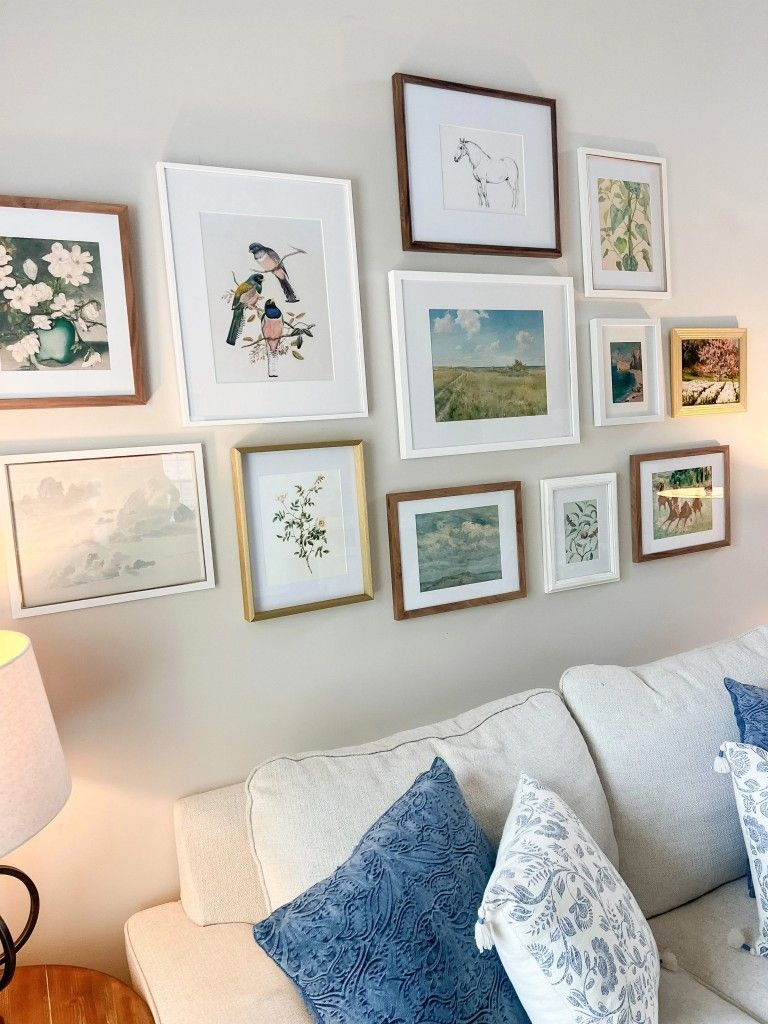
A collection of mismatched, cheap prints or photos instantly looks more cohesive and expensive once every single piece shares the same frame style and mat color, even if the actual art inside varies wildly in style and origin.
Uniformity is doing the expensive-looking work here, not the individual pieces.
Pro tip: White or cream mats read as more gallery-like and expensive than colored mats, which tend to date a gallery wall and compete with the art itself rather than framing it cleanly.
7. DIY textured plaster or joint compound wall art
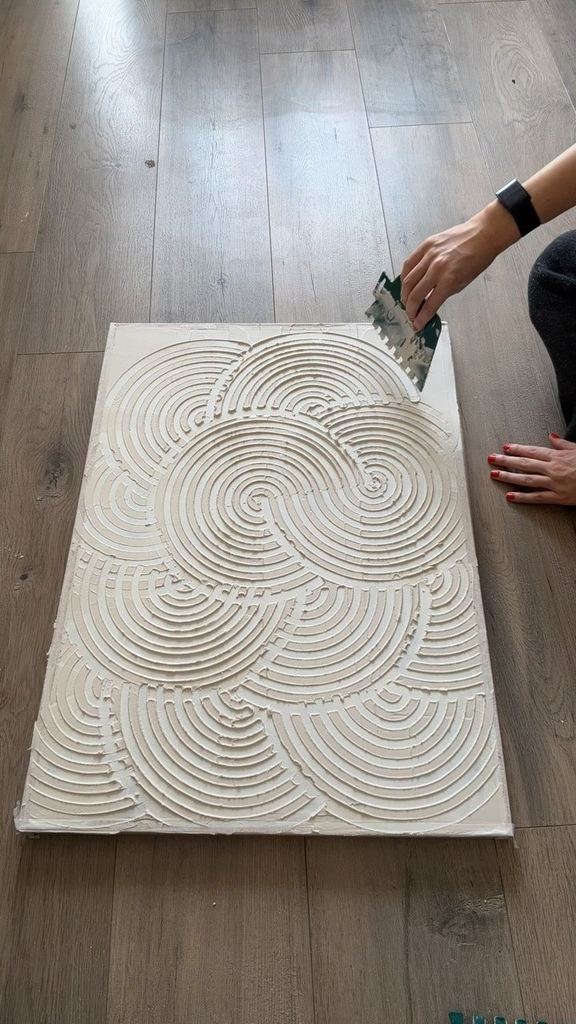
A simple textured piece, made by applying joint compound or spackle to a canvas or wood panel in an intentional pattern and letting it dry before a light paint wash, creates a genuinely dimensional, gallery-style piece of art for the cost of materials most hardware stores sell for a few dollars.
8. A statement mirror from a thrifted frame
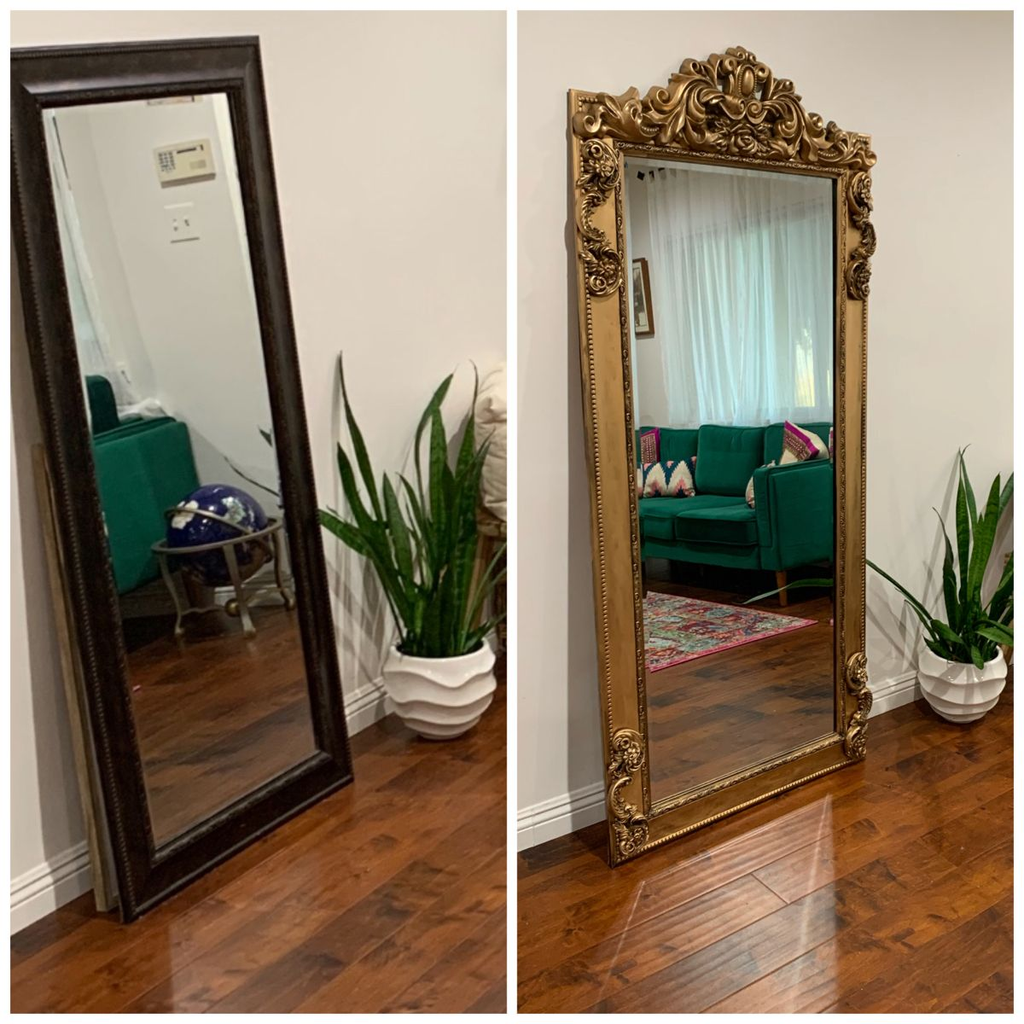
Beyond the spray-paint trick above, a genuinely large thrifted frame with the mirror insert swapped in, or even just repurposed as-is if it already has a mirror, gives you the oversized statement mirror look that retails for hundreds of dollars new, often for under $30 total.
Textiles and Soft Goods for Instant Warmth
9. Recovering a lampshade in fabric remnants
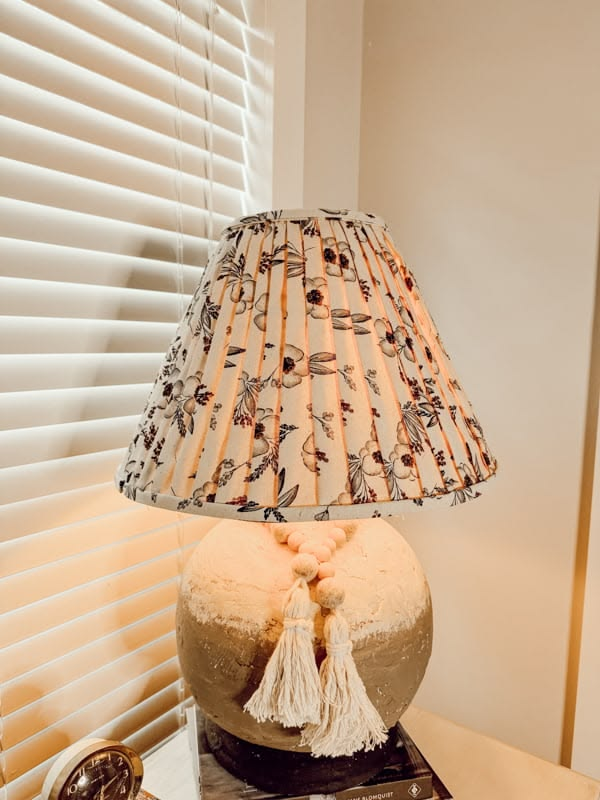
A plain, dated lampshade gets a completely custom look with fabric remnants glued or wrapped around the existing shade structure, letting you match a specific color palette or pattern that a store-bought lamp in that exact combination probably doesn’t exist in at any price.
Pro tip: Choose a fabric with some texture or weight to it — thin, flimsy fabric tends to show the shade’s original color or structure underneath, undermining the whole effect, while a slightly heavier fabric fully conceals the base shade.
10. Layered rugs using an inexpensive flat-weave base
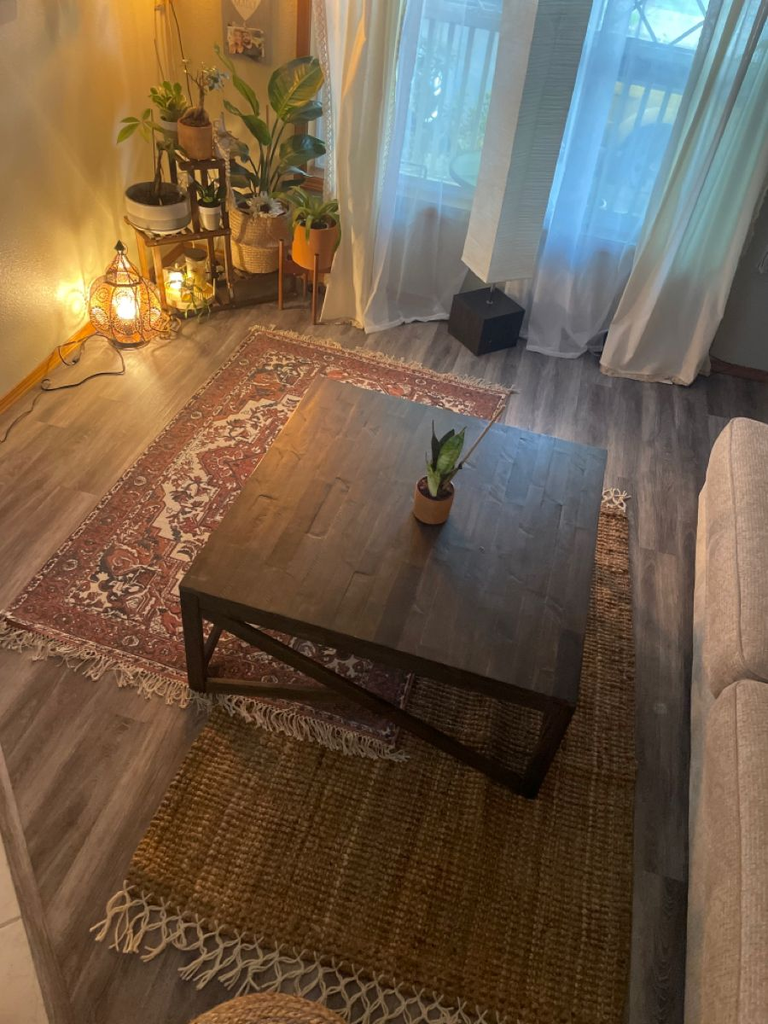
Rather than one expensive large rug, layering a cheap, flat-weave jute or sisal rug underneath a smaller, more textured accent rug creates the visually rich, layered look of a much pricier single rug, at a fraction of the cost.
11. DIY throw pillow covers from fabric remnants
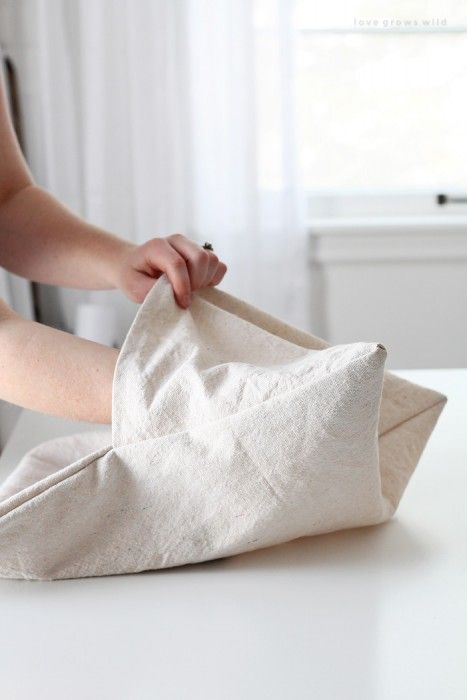
Purchased throw pillows in a specific color or pattern are often surprisingly expensive relative to the actual materials involved, and sewing simple envelope-style covers from fabric remnants — even without much sewing experience — gets you custom colors and patterns for a fraction of retail cost.
12. Custom curtain length using inexpensive fabric and proper hardware placement
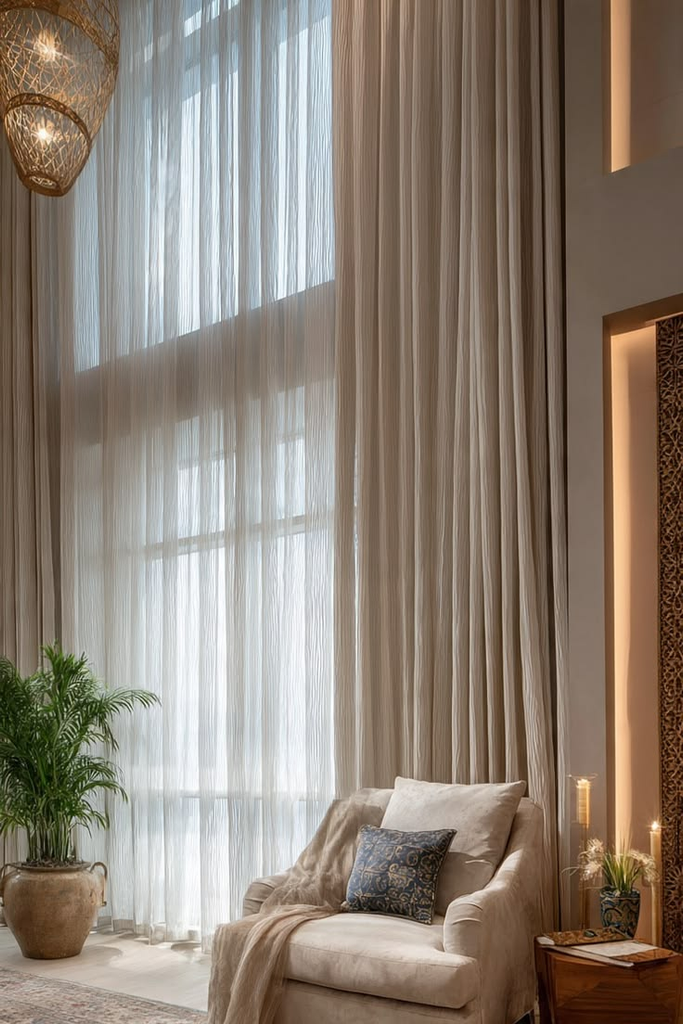
Cheap curtain panels can look genuinely high-end once they’re the correct length (grazing or slightly pooling on the floor, not hovering above it) and hung on a rod placed close to the ceiling rather than right above the window frame — the placement and length matter more to the finished look than the fabric’s original price tag.
Vases, Vessels, and Styling Objects
13. Thrifted ceramic vases with a fresh paint finish
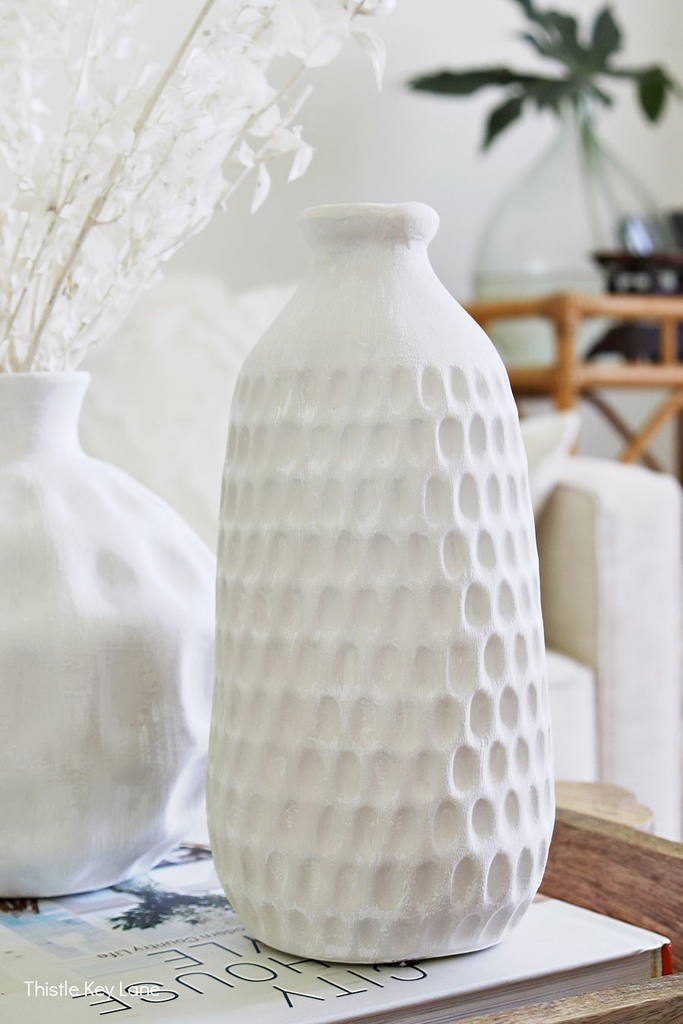
A dated or mismatched ceramic vase transforms completely with a coat of matte spray paint in a current, cohesive color, giving you what reads as a curated designer object for a couple of dollars in paint on top of a secondhand find.
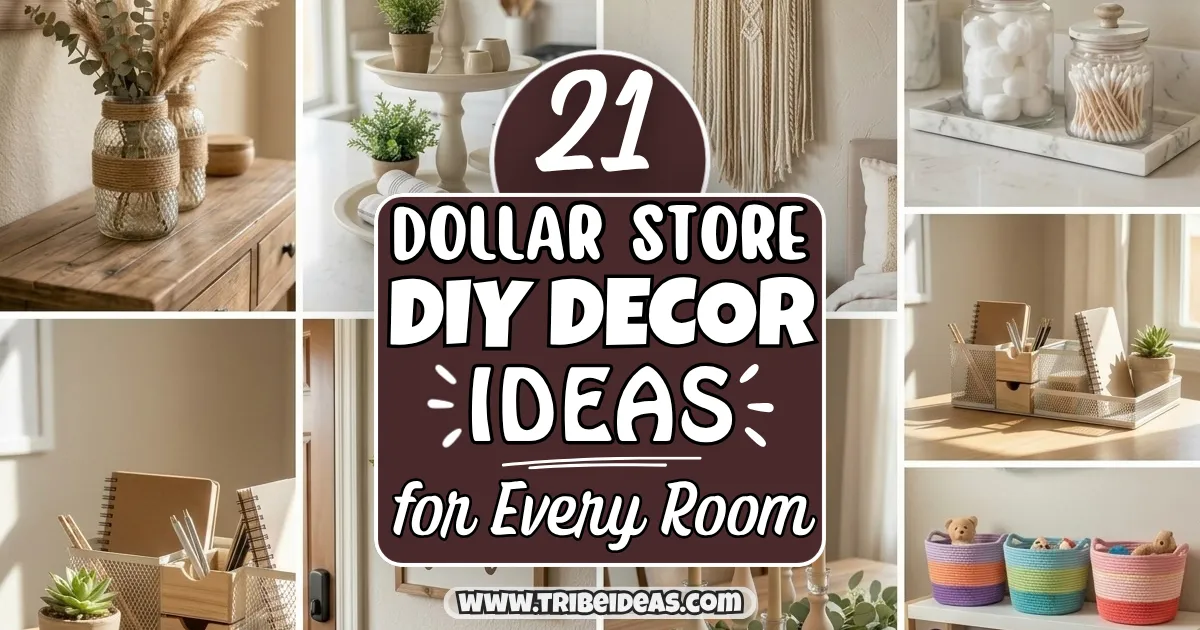
14. Repurposed glass jars as apothecary-style bathroom storage
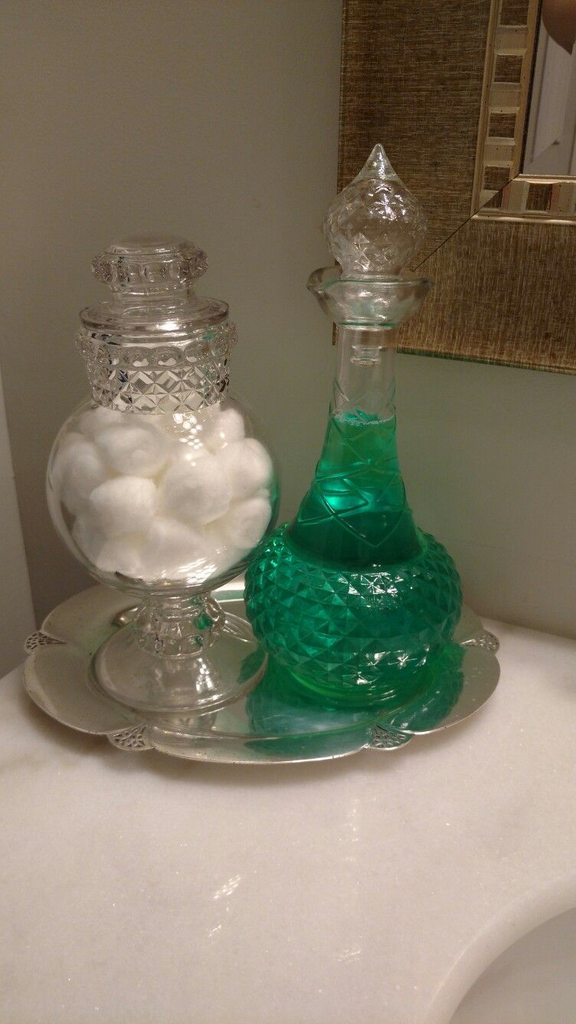
Clear glass jars, whether thrifted or reused from food packaging, create the apothecary-jar bathroom look that higher-end bath brands sell for significant markups, simply by filling them with cotton balls, bath salts, or other bathroom staples and displaying them on open shelving.
Pro tip: Remove labels completely and thoroughly, including any adhesive residue, using rubbing alcohol — a jar with a faint ghost of its original label instantly reads as reused rather than intentionally curated.
15. Books stacked and styled by color rather than by subject
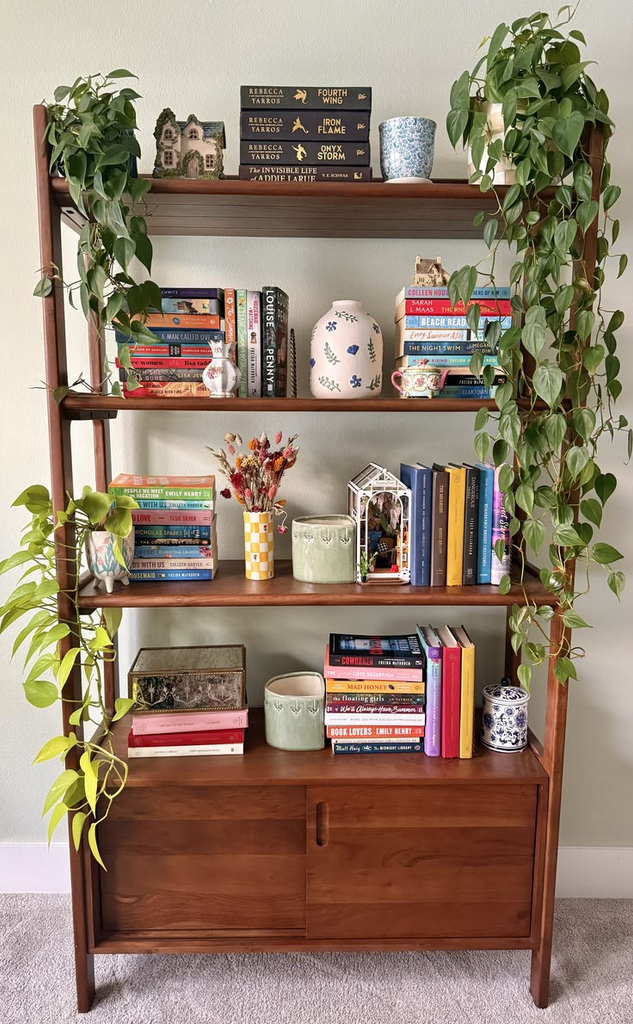
Arranging books by color, particularly with a few in the same palette stacked horizontally as a small pedestal for another decor object, creates the styled, boutique-shelf look seen in higher-end interior photography, using books you already own rather than purchasing anything new at all.
16. Faux floral arrangements in a substantial, high-quality vase
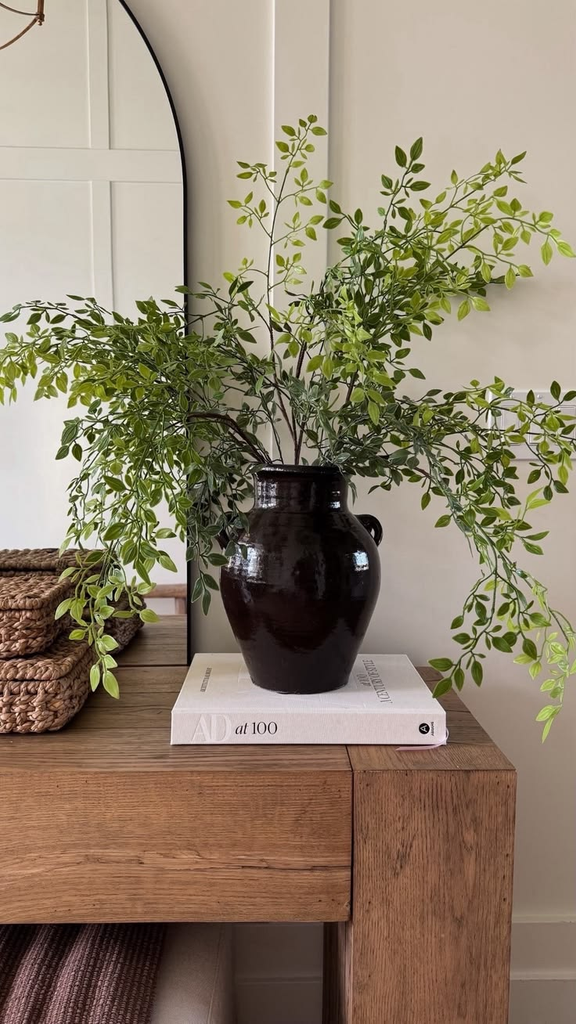
Investing slightly more in one genuinely nice vase, paired with realistic faux florals rather than obviously artificial ones, gives you a permanent, no-maintenance arrangement that reads as fresh and high-end without the recurring cost of real flowers.
17. DIY concrete-look planters using paint texture on plastic pots
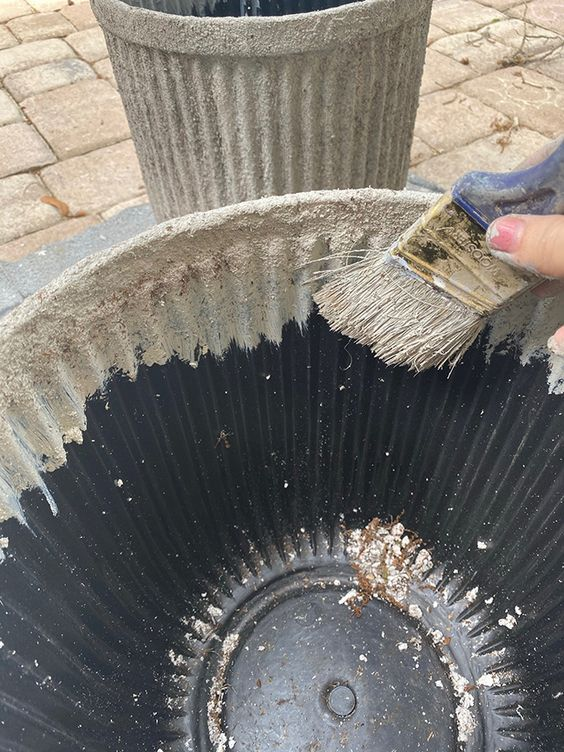
A basic plastic planter gets a completely different, high-end concrete look through a textured paint technique — mixing sand into paint, or using a specific stone-effect spray paint — transforming a few-dollar plastic pot into something that reads as a much pricier material.
Lighting That Elevates a Whole Room
18. A paper lantern pendant light with a proper cord kit
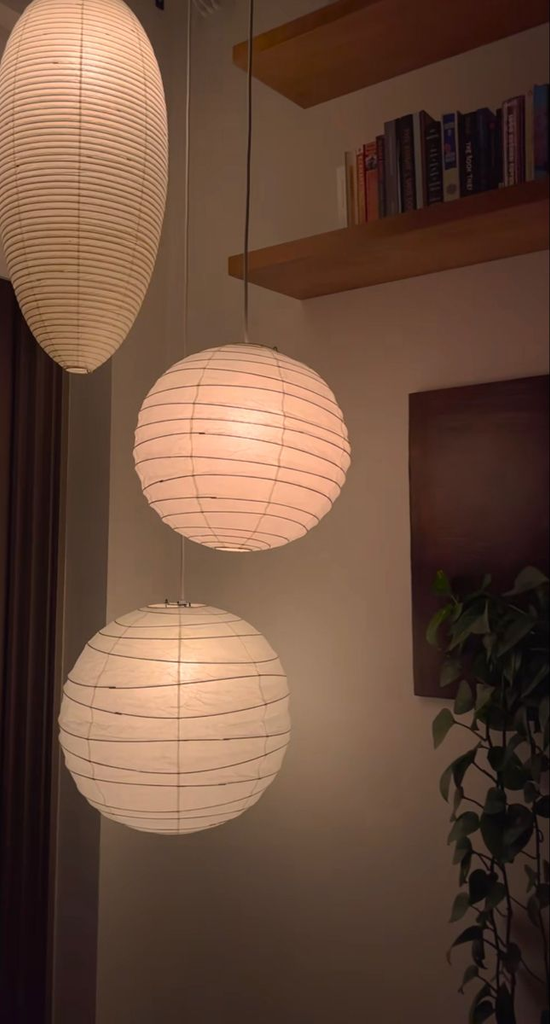
A well-chosen paper or woven pendant shade, paired with a proper cord and socket kit rather than a cheap-looking cage bulb fixture, creates a restaurant-quality statement light fixture for a fraction of what a comparable designer pendant costs new.
Pro tip: Choose a warm-toned bulb specifically for this fixture — a cool white bulb inside a warm paper or woven shade creates a visual mismatch that undercuts the otherwise high-end effect.
19. Restyled thrifted lamps with a new shade
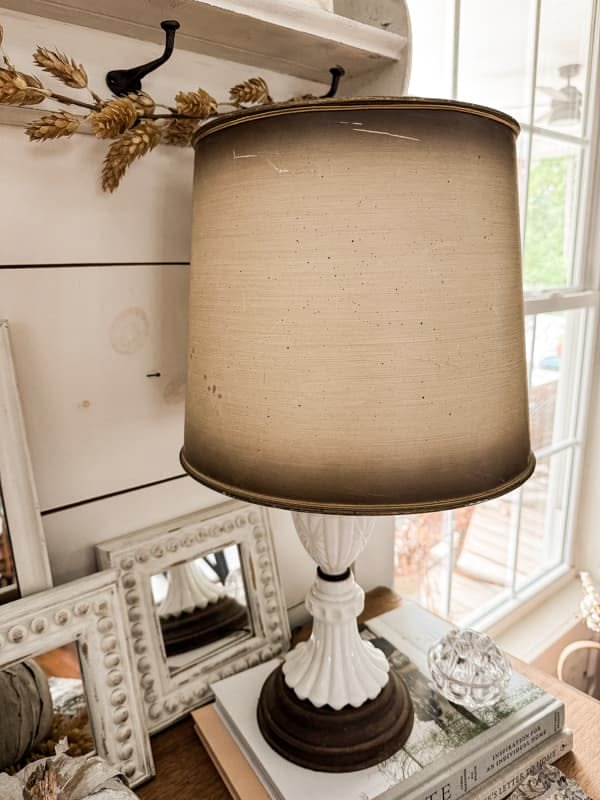
A thrifted lamp base in a good material — ceramic, wood, or metal — paired with a fresh, well-proportioned new shade often looks more expensive than a low-to-mid-range new lamp purchased as a complete set, since the base and shade were likely each made to a higher individual standard originally.
20. Dimmer switches on existing fixtures
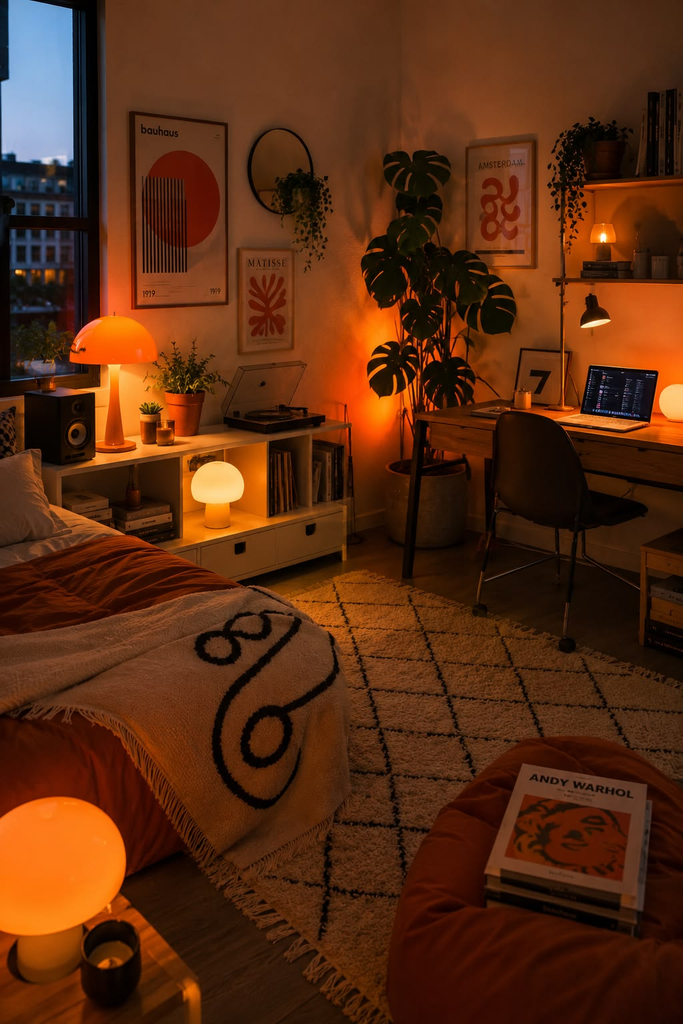
Adding a simple plug-in or in-wall dimmer to existing lighting changes the entire mood and perceived quality of a room’s lighting for a relatively small cost, since dim, warm, adjustable light reads as considered and high-end in a way that a single bright, flat setting never does.
Furniture and Structural Illusions
21. Faux built-in bookshelf look using strategic furniture placement
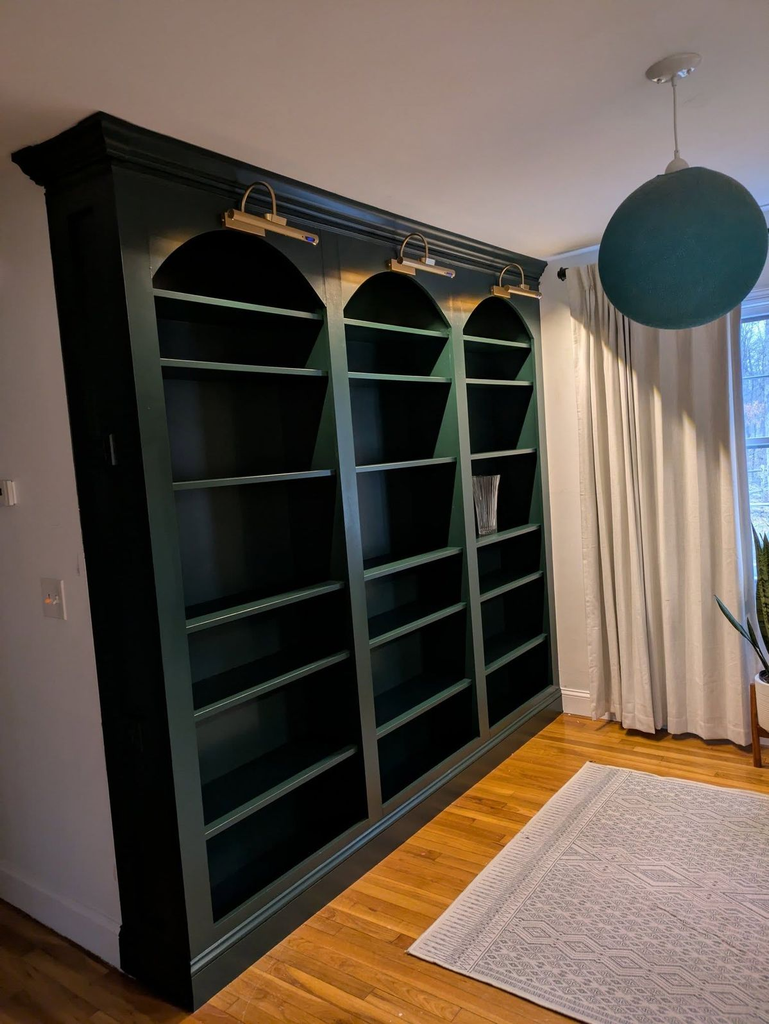
Positioning matching bookshelves flush against a wall, painted the same color as the wall itself, creates the illusion of a genuine architectural built-in at a fraction of the cost of an actual carpentry project.
Pro tip: Add simple trim or molding around the top and sides of the shelving unit, painted to match, to complete the built-in illusion — this small addition is often the exact detail that separates “shelves against a wall” from “looks like it was built into the house.”
22. A faux fireplace mantel as a styled focal point
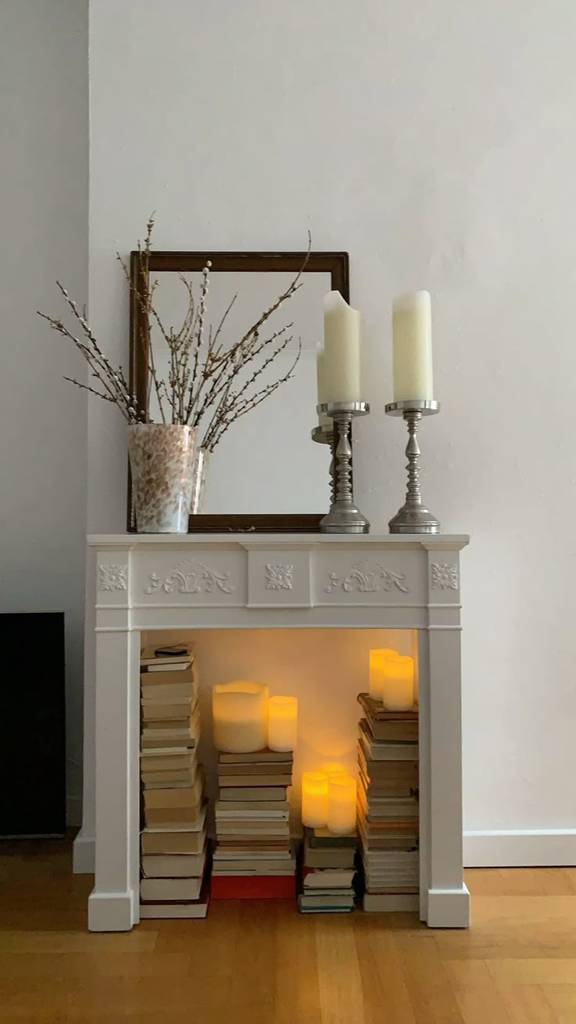
Even without a functioning fireplace, a simple wood mantel shelf, mounted at the appropriate height with a few styled candles or an electric insert below it, creates a genuine architectural focal point in a room that otherwise lacks one.
23. An oversized clock made from inexpensive materials
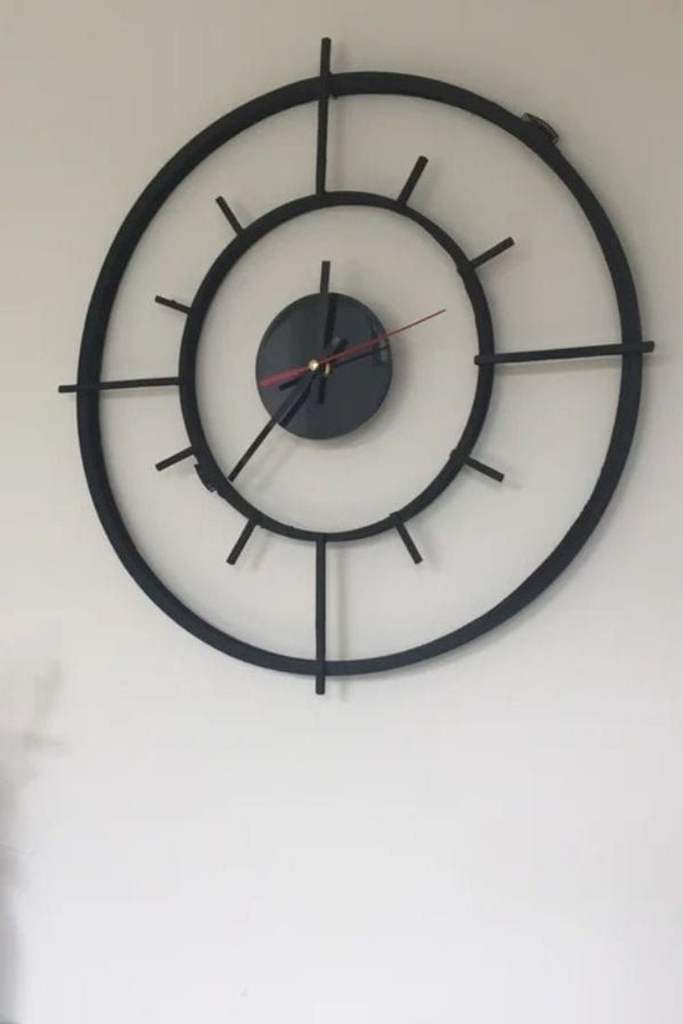
A large, minimalist wall clock, assembled from a plain wood round or a metal hoop paired with a basic clock mechanism kit, creates the oversized statement clock look sold at a significant markup by home decor retailers, for a fraction of the retail cost.
What I’d Actually Try First on a Real Budget
If I were starting from scratch on a genuinely tight budget, I’d go straight for the spray-painted thrifted frame trick first, since it’s the single technique I’ve gotten the most “wait, that was cheap?” reactions from, and it’s genuinely one of the lowest-effort, lowest-cost projects on this entire list.
After that, I’d tackle the oversized art with a substantial frame, since scale alone does an enormous amount of the expensive-looking work almost regardless of what’s actually inside the frame.
The real thing I’ve learned from years of doing this is that “looks expensive” almost never means “actually expensive material” — it means proper scale, a cohesive finish, and enough attention to the small details, like a level line or a properly dried paint coat, that separate an intentional choice from an obvious shortcut. Once you see that pattern, it’s hard to look at expensive decor the same way again.






Leave a Reply