
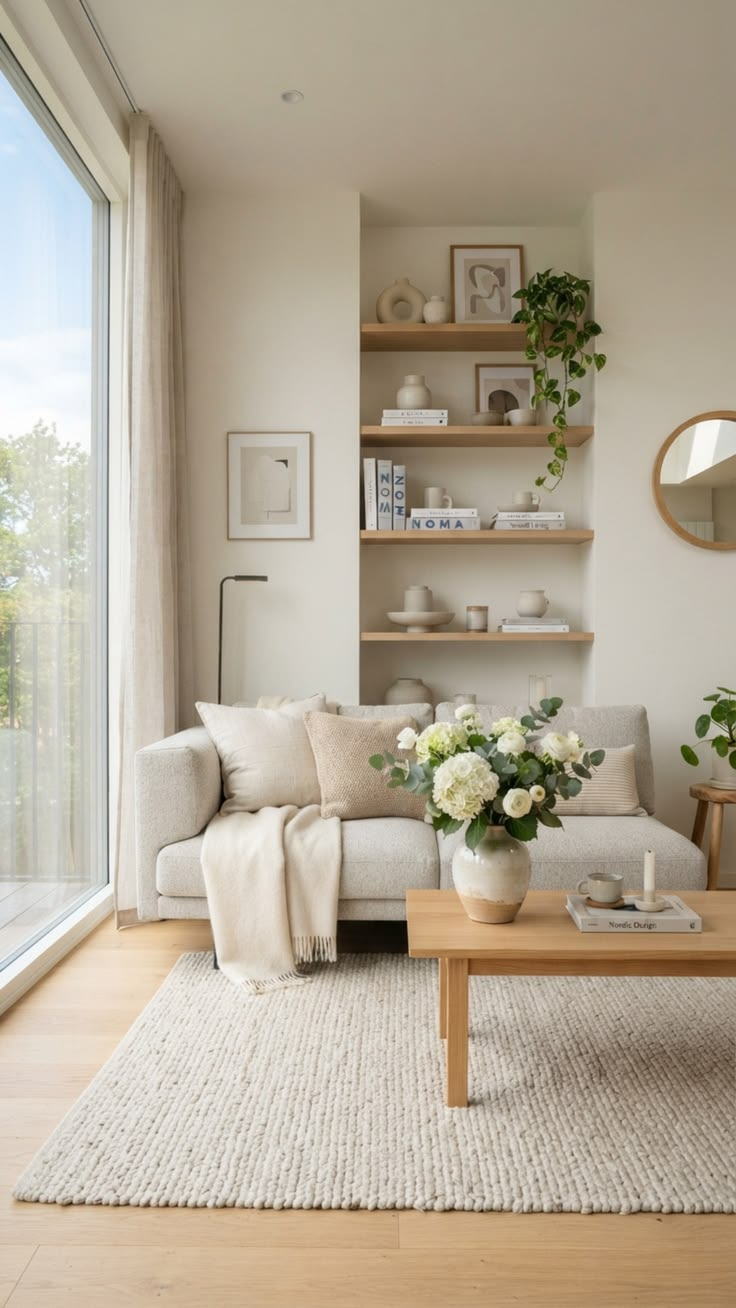
Every March, I do the same ritual: I pull my heavy wool blanket off the back of the couch, look at the room, and think “okay, this still looks like winter and I’m annoyed about it.”
Small space spring refresh season hits different when you don’t have a spare room to store off-season stuff in — every swap I make has to actually go somewhere, not just get shuffled into a garage I don’t have.
That’s really the core challenge with a small space spring refresh compared to doing the same thing in a bigger home: it’s not just about swapping in lighter colors and fresh greenery, it’s about doing that swap in a way that doesn’t require extra storage you don’t have for whatever you’re putting away.
A spring refresh that leaves you with a bin of winter throw pillows you have nowhere to put isn’t actually a refresh, it’s just added clutter with better PR.
For 2026, I’m grouping these ideas the way I actually approach my own place each spring — textiles and color first, since that’s the fastest visual reset, then light and plants, then the storage and reset tasks that don’t look exciting on a mood board but genuinely change how the space feels day to day.
Textiles and Color: The Fastest Visual Reset
Swap heavy textiles for lightweight ones, and store the winter versions smartly
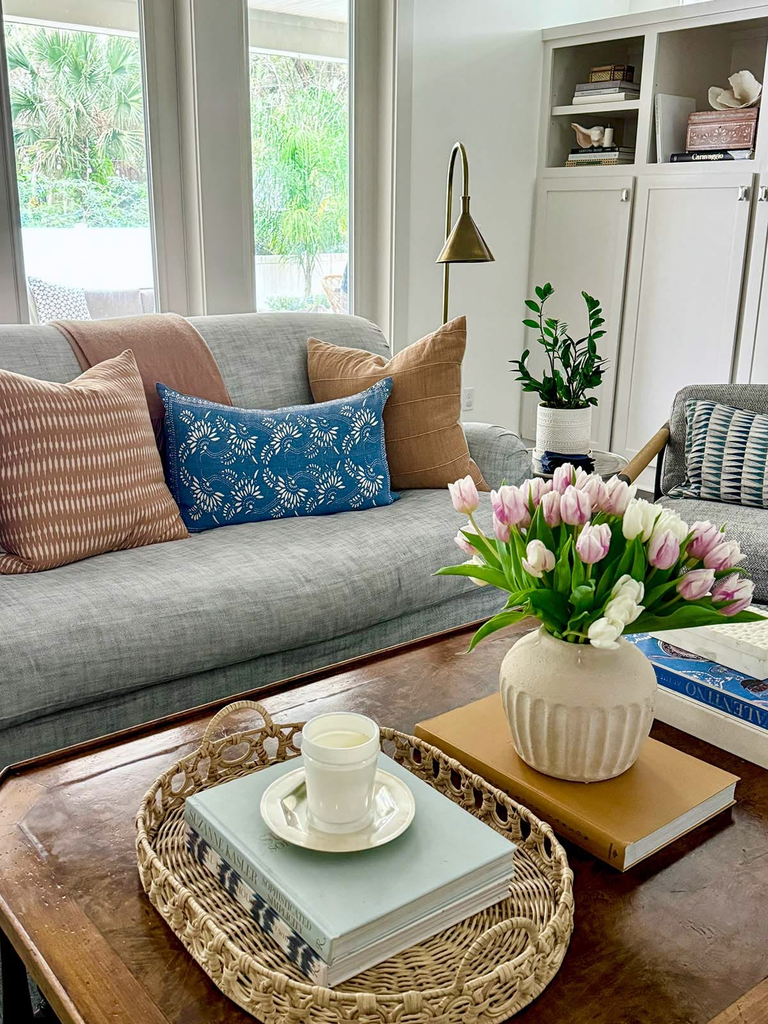
Trading a chunky knit throw and heavy velvet or corduroy pillow covers for lighter linen or cotton versions is one of the fastest, cheapest ways to visually shift a small space from winter to spring, since textiles take up a disproportionate amount of visual “weight” in a small room relative to their actual size.
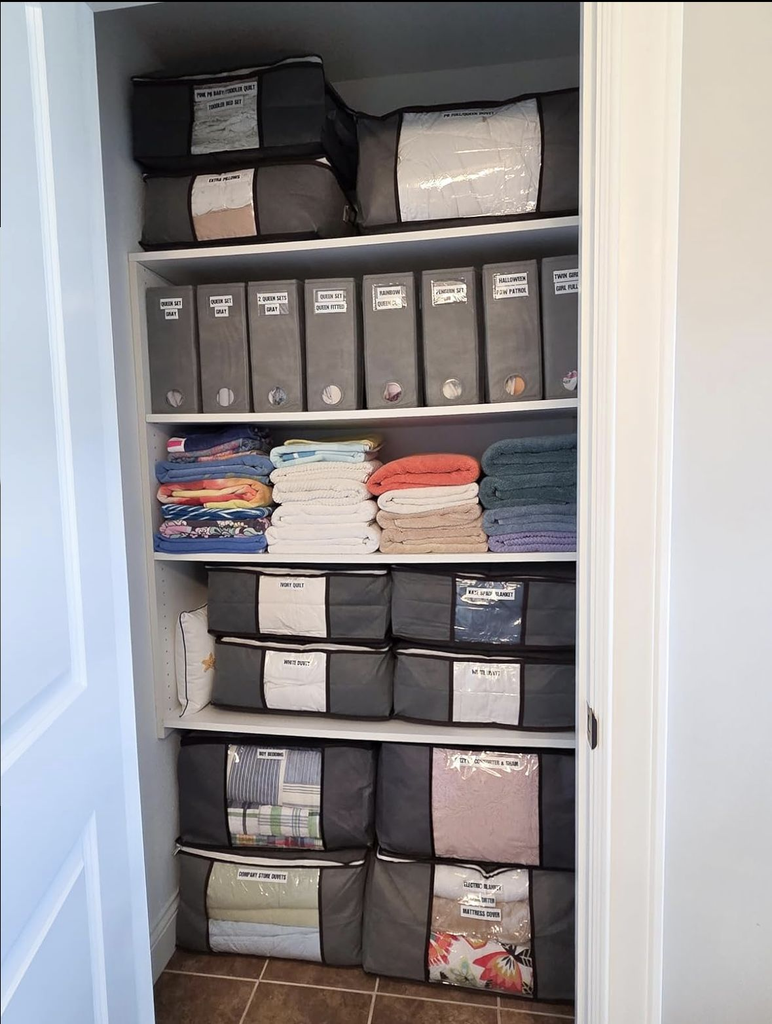
The trick in a small apartment is having a real plan for where the winter textiles go, not just a vague intention to deal with it later.
A vacuum-sealed storage bag is the actual answer here — it compresses bulky winter throws and pillow covers down to a fraction of their size, which matters enormously when your storage options are one closet shelf instead of a whole spare room.
| Textile Swap | Winter Version | Spring Version | Storage Solution |
|---|---|---|---|
| Throw blanket | Chunky knit, wool | Lightweight cotton, linen | Vacuum-seal bag, under-bed bin |
| Pillow covers | Velvet, corduroy, faux fur | Linen, canvas, light cotton | Flat zip pouch, closet shelf |
| Rug | Thick pile, wool | Flatweave, jute, cotton | Roll and store vertically in a closet |
| Curtains | Blackout, heavy fabric | Sheer, light linen | Fold flat in a garment bag |
Pro tip: Roll rugs instead of folding them for storage — a folded rug develops crease lines that can take weeks to fully relax back out once you unroll it the following fall, while a rolled rug stores just as compactly and comes out flat.
Introduce one saturated spring color instead of an all-pastel palette

The instinct for “spring decor” is often to go all pastel, but an entire small room in soft pastels can read as washed out and a little flat, especially if your space doesn’t get a ton of natural light.
Picking one genuinely saturated color — a deep coral, a rich chartreuse, a bright cobalt — and using it in just one or two spots gives the room a spring feeling without losing the visual depth that pastels alone can flatten out.
Pro tip: Test your saturated color choice in a small, low-commitment item first — a single throw pillow or a vase — before committing to it in a bigger piece like a rug or curtains, since a bold color you love in a paint swatch can read very differently across an entire large textile.
Refresh your entry rug and doormat combo
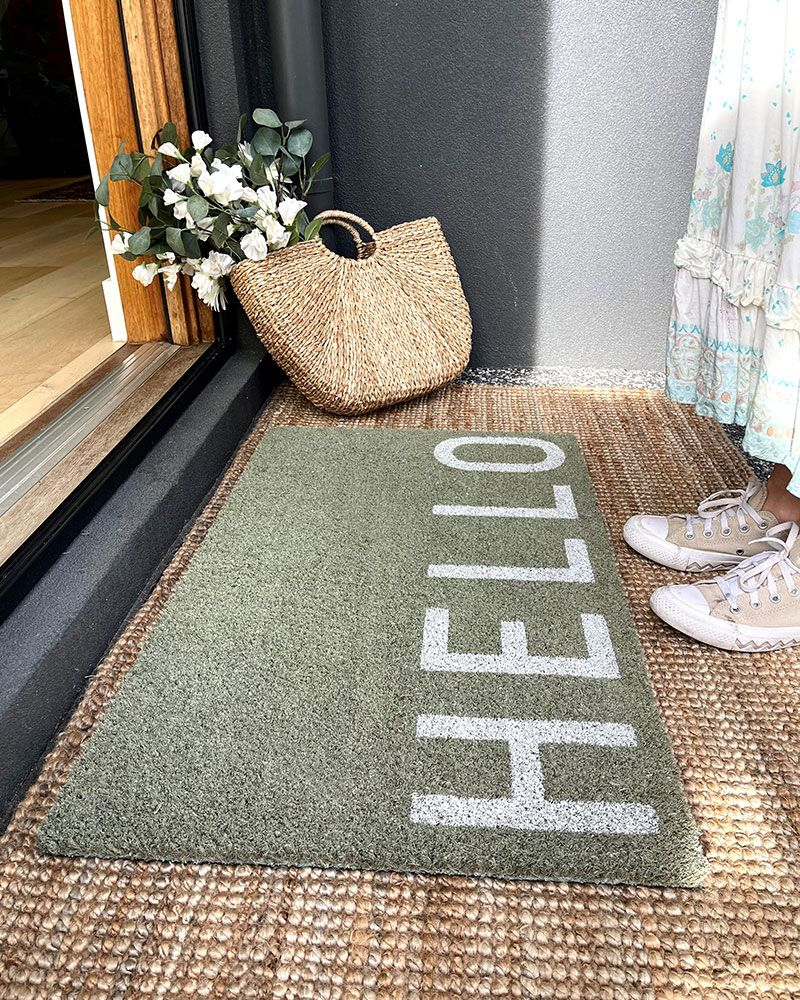
Your entryway rug takes the brunt of a full winter’s worth of salt stains, mud, and slush, and by spring it’s usually looking rough regardless of how nice the rest of your space is.
Swapping it for a lighter-colored, easier-to-clean option both refreshes the look and gives you a genuinely cleaner surface heading into a season with more foot traffic in and out.
Light and Plants: Bringing the Outside In Without the Outdoor Space
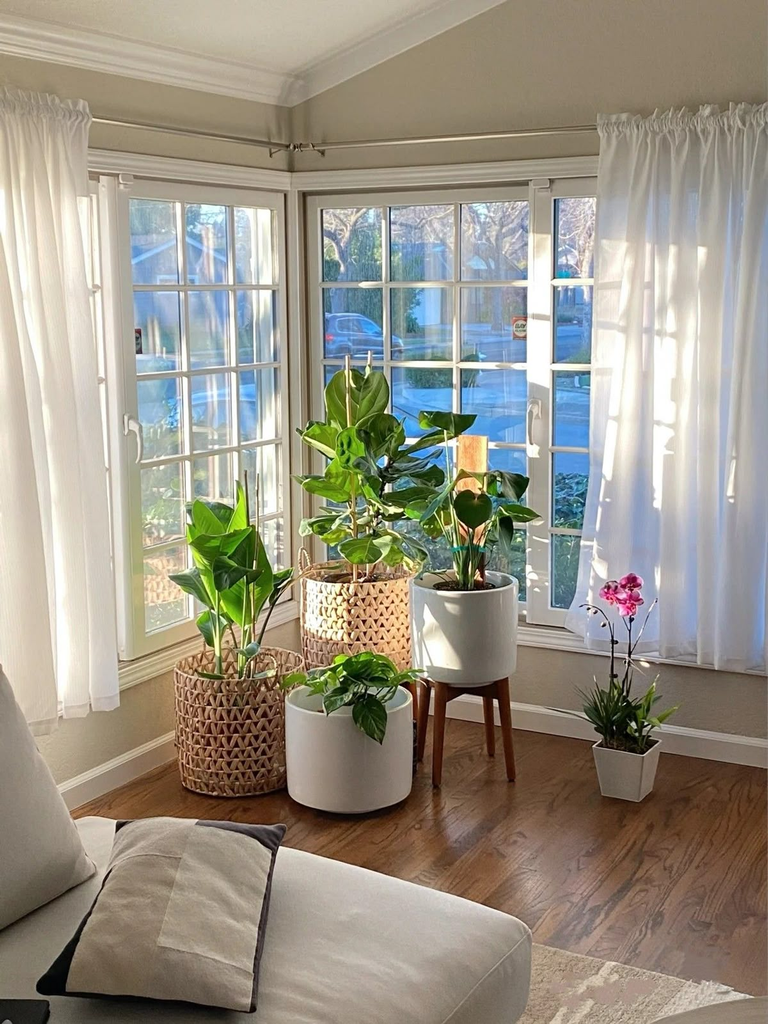
Rearrange to maximize whatever natural light you actually have
As daylight hours increase, it’s worth actually reassessing your furniture layout around where the light falls differently than it did in December — a reading chair that made sense angled away from a window in winter might genuinely benefit from facing that window now that there’s more usable daylight coming through it later into the evening.
This costs nothing and is easy to skip simply because most people set a layout once and don’t revisit it seasonally.
Pro tip: Take a photo of your main room at the same time of day in both January and April if you want to actually see the light difference — it’s easy to underestimate how much more usable natural light you’re getting once the season shifts, and a side-by-side photo makes the case for rearranging obvious in a way that just standing in the room doesn’t.
Add a few low-maintenance plants suited to your actual light situation
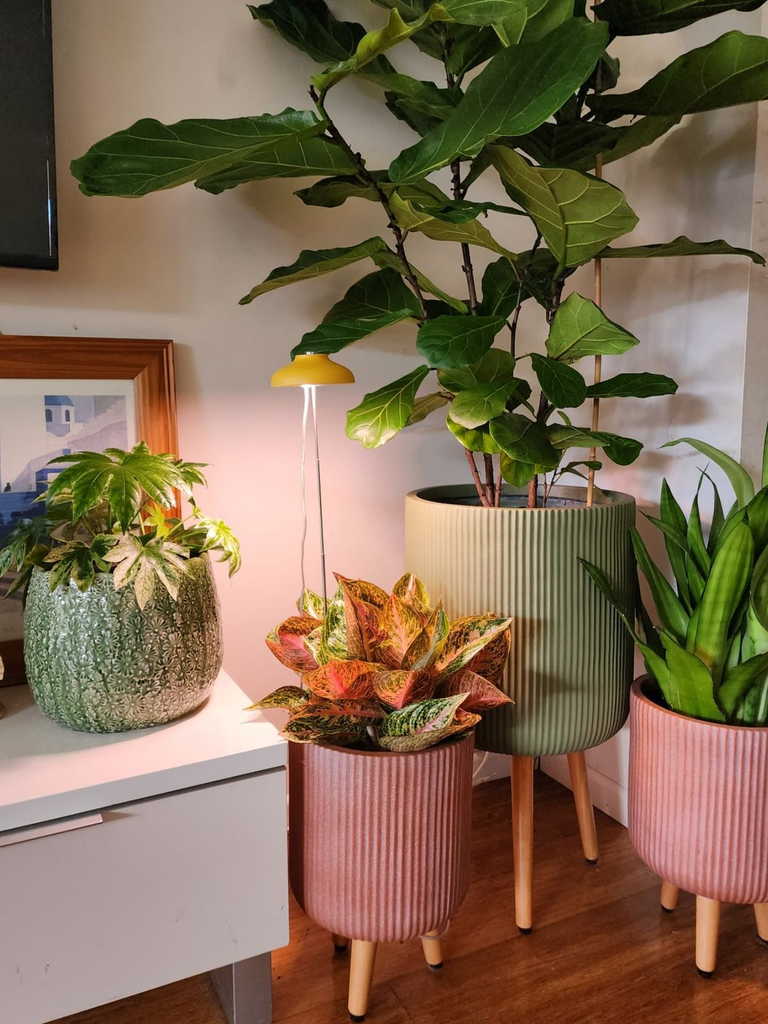
Spring is the natural moment people get motivated to add greenery, but buying plants based on what looks good in a store display rather than your apartment’s actual light conditions is how a lot of spring plant purchases end up dead by June.
Match the plant to your specific window exposure — a low-light pothos or snake plant for a north-facing apartment, something more light-hungry only if you genuinely get strong direct sun for several hours.
My neighbor Theo bought three fiddle leaf figs one spring because they were everywhere on his feed, put them in his genuinely dim living room, and was down to zero fiddle leaf figs by August. He switched to ZZ plants the following year and hasn’t killed one since — same enthusiasm, better light match.
Pro tip: Group two or three plants of different heights together rather than spacing single plants around the room individually — a small cluster reads as an intentional design choice, while the same plants scattered one at a time around a small space can look more like an afterthought.
Add a single stem or small vase of fresh flowers as a low-commitment refresh
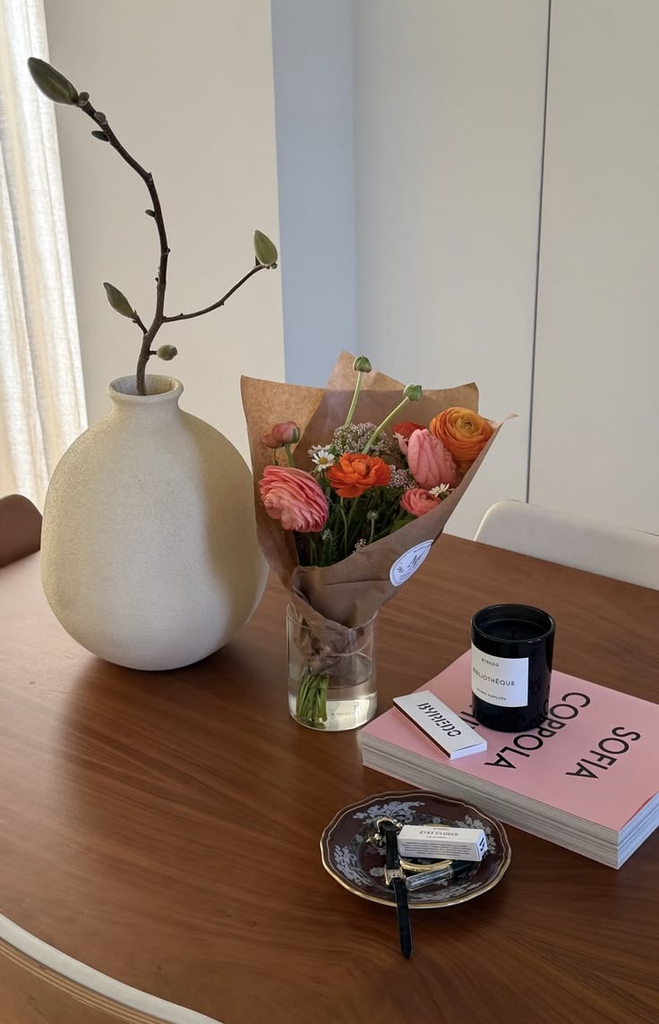
If a full plant commitment feels like too much, a simple vase with fresh seasonal flowers gives you the visual and even scent-based signal of spring without any ongoing care responsibility beyond changing the water.
This is genuinely one of the lowest-effort, lowest-cost items on this whole list and one of the highest-impact for how quickly it changes how a room feels.
Storage and Reset: The Less Glamorous Work That Actually Matters
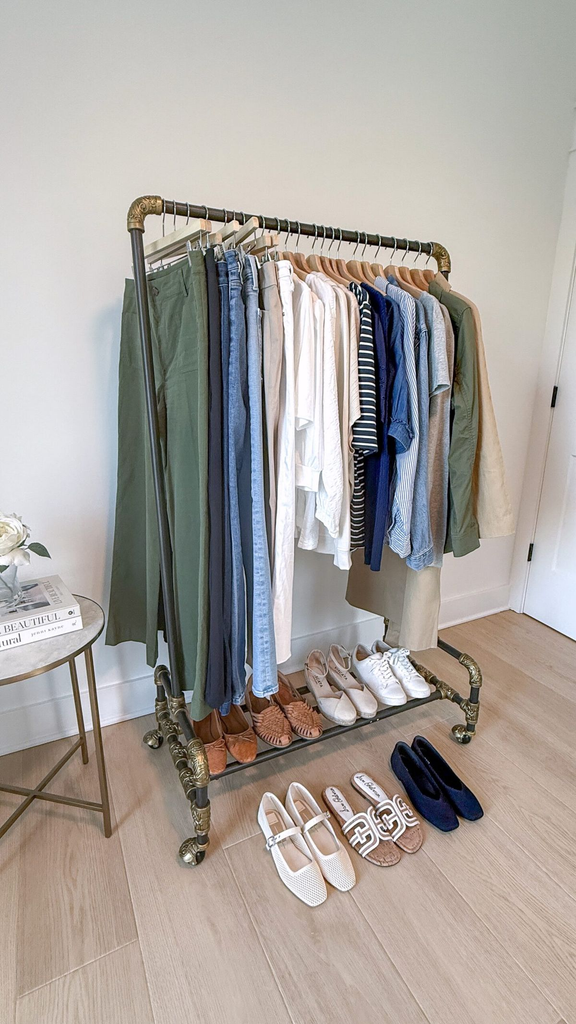
Do a genuine closet edit, not just a rehang
Spring is the natural moment to actually go through your closet rather than just switching which clothes are in the front, and in a small apartment specifically, closet space is usually one of the most contested resources you have.
Pull everything out, actually decide what’s staying, and only put back what you’re keeping — donating or selling the rest rather than just pushing it to the back for another season.
Pro tip: Try on anything you’re unsure about rather than deciding from the hanger — clothes that looked fine folded or hung often reveal fit or condition issues the moment you actually put them on, and it’s a faster decision-making method than staring at a hanger trying to remember the last time you wore something.
Reassess what’s living in your entryway landing zone
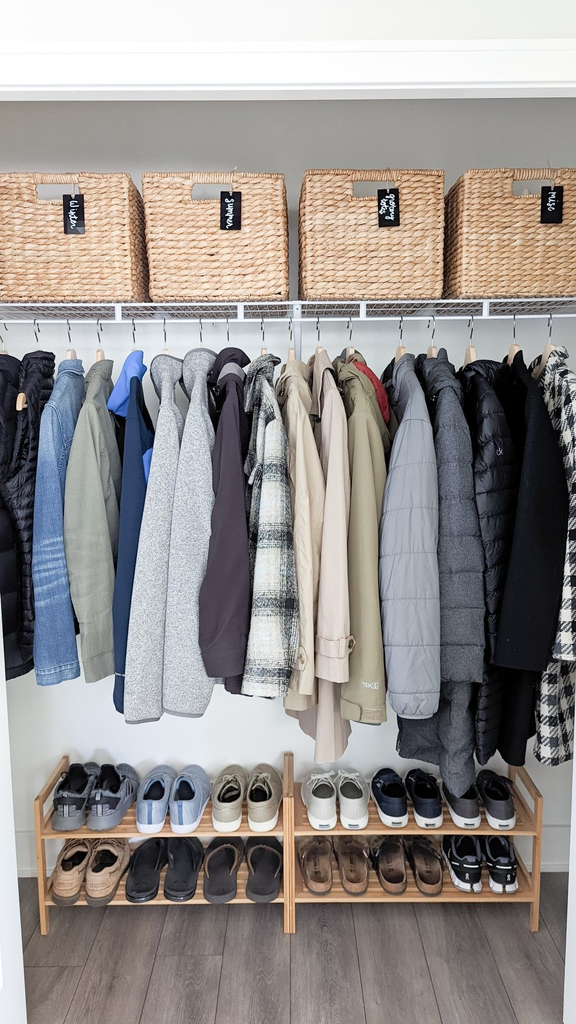
Winter entryways accumulate a specific kind of clutter — heavy coats, boots, scarves, umbrellas — that spring makes obviously excessive once you don’t need three coats hanging by the door anymore.
Rotating out the bulkiest winter gear to a closet or under-bed storage frees up your entryway’s limited hooks and floor space for the lighter jackets and shoes you’ll actually be using for the next several months.
Refresh your air with a genuine deep clean, not just tidying
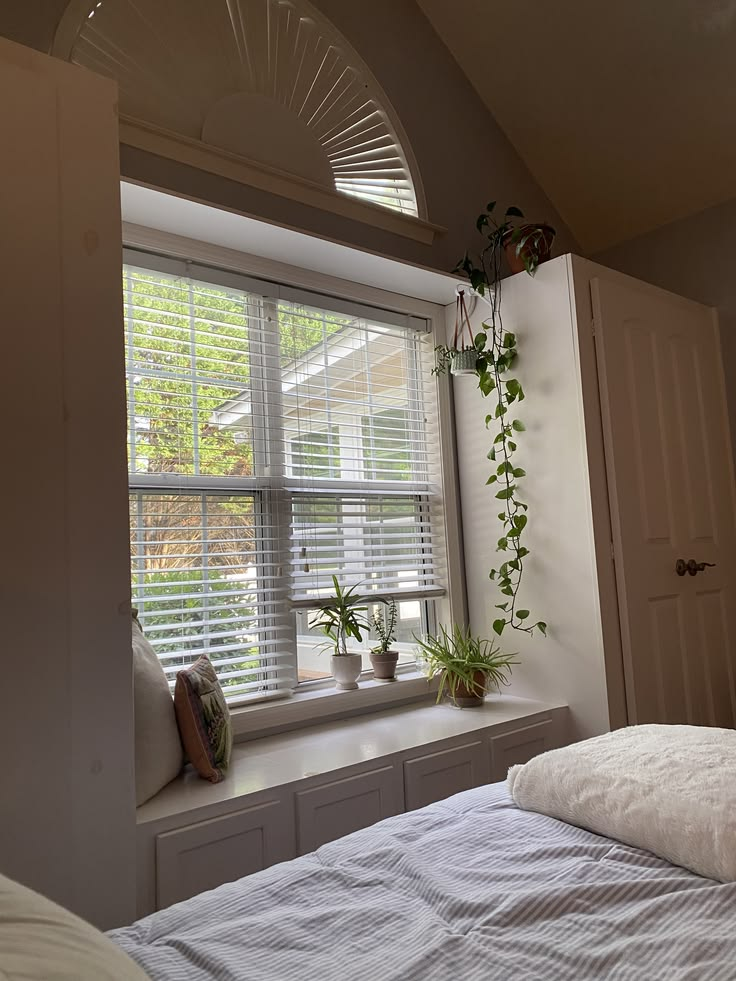
A small space holds onto stale winter air more than a larger home does, simply because there’s less total air volume and often less consistent ventilation if windows have been shut for months.
A proper spring deep clean — washing windows, actually vacuuming under furniture you haven’t moved since fall, wiping down baseboards — makes a noticeable difference in how a small space feels that’s separate from anything visual you’re changing.
Pro tip: Open windows on the first genuinely mild day and let air move through the whole apartment for at least twenty minutes, even if it’s still a little cool outside — the actual air exchange does more for how “fresh” a small space feels afterward than any candle or diffuser will.
Rotate your seasonal storage bins if you keep them under furniture
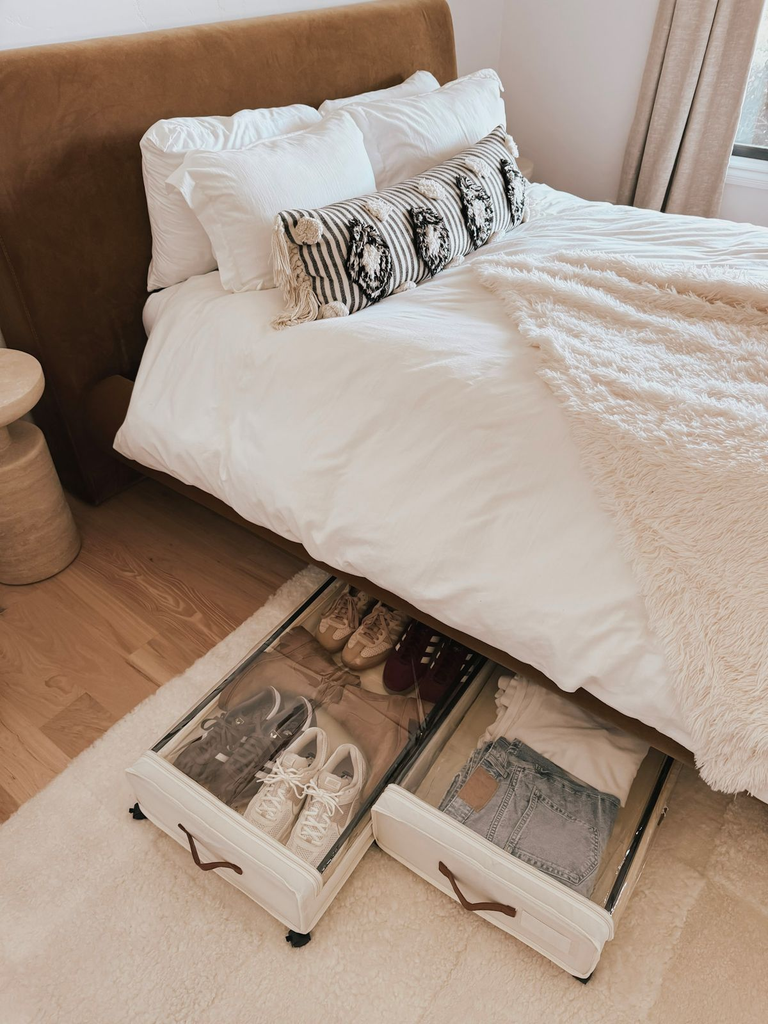
If you use under-bed or under-couch storage bins for off-season items, spring is the moment to actually swap what’s in them — winter gear goes in, spring and summer items that were stored come out — rather than letting bins accumulate both seasons’ worth of stuff because you never fully cycled through them.
This keeps your limited under-furniture storage doing its actual job instead of slowly becoming a permanent junk drawer on wheels.
What I’d Prioritize First If I Only Had a Weekend
If I only had one weekend to do a small space spring refresh this year, I’d start with the closet edit and the textile swap, in that order, because they solve the two things that make a small apartment feel most stuck in winter — a closet full of stuff you’re not wearing anymore, and heavy textiles visually weighing down every room.
The plants and flowers are the fun part, but they matter less if the space underneath them is still cluttered with winter leftovers.
The thing I’ve learned doing this every year in increasingly small apartments is that a spring refresh doesn’t need to be a full redecorate to actually work. Most years, it’s really just three or four specific swaps and one genuinely thorough closet edit — and the version of my apartment that comes out the other side of that one weekend always feels disproportionately more “spring” than the actual effort involved would suggest.


Leave a Reply