
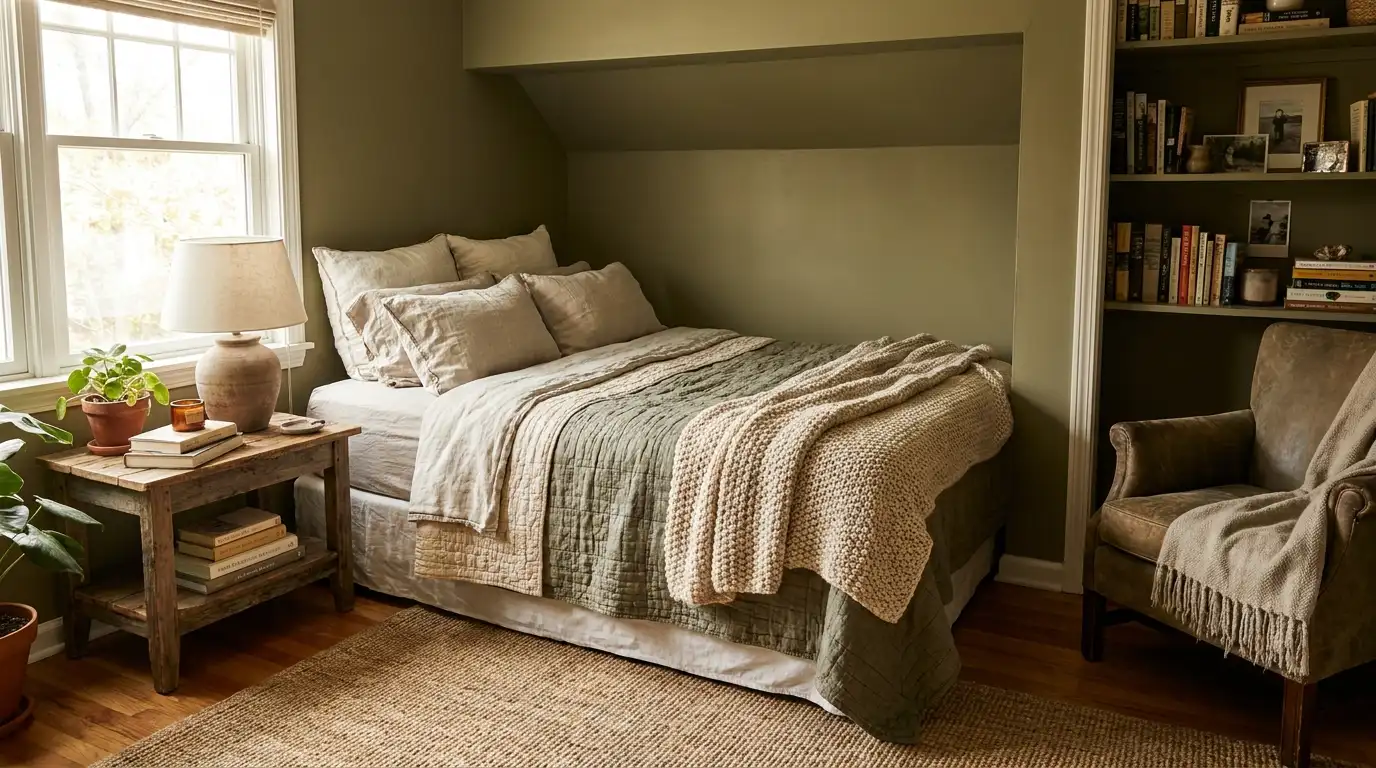
I lived in a 9×10 bedroom for three years before I figured out that “small” and “sad” don’t have to go together. For a long time my room looked like a dorm room that never graduated — a mattress on a frame, a lamp from Target, string lights I never took down after 2019. It wasn’t cozy, it was just cramped. There’s a real difference, and it took me embarrassingly long to learn it.
If you’re renting, or you’re an adult who still has a small bedroom because that’s just what your budget or your city gives you, this isn’t about “maximizing every square inch” in that clinical, hyper-organized way.
It’s about making a small room feel like somewhere you actually want to fall asleep. That means layered lighting, real materials over plastic ones, and being ruthless about what earns floor space.
Below are 22 small bedroom ideas that are actually built for adults — not string-lights-and-Polaroids dorm energy, but grown-up cozy: warm, a little moody, and functional enough that you’re not tripping over laundry baskets at 6am. I’ll flag which ones I’ve actually tried, what worked, and what I’d skip if I were starting over.
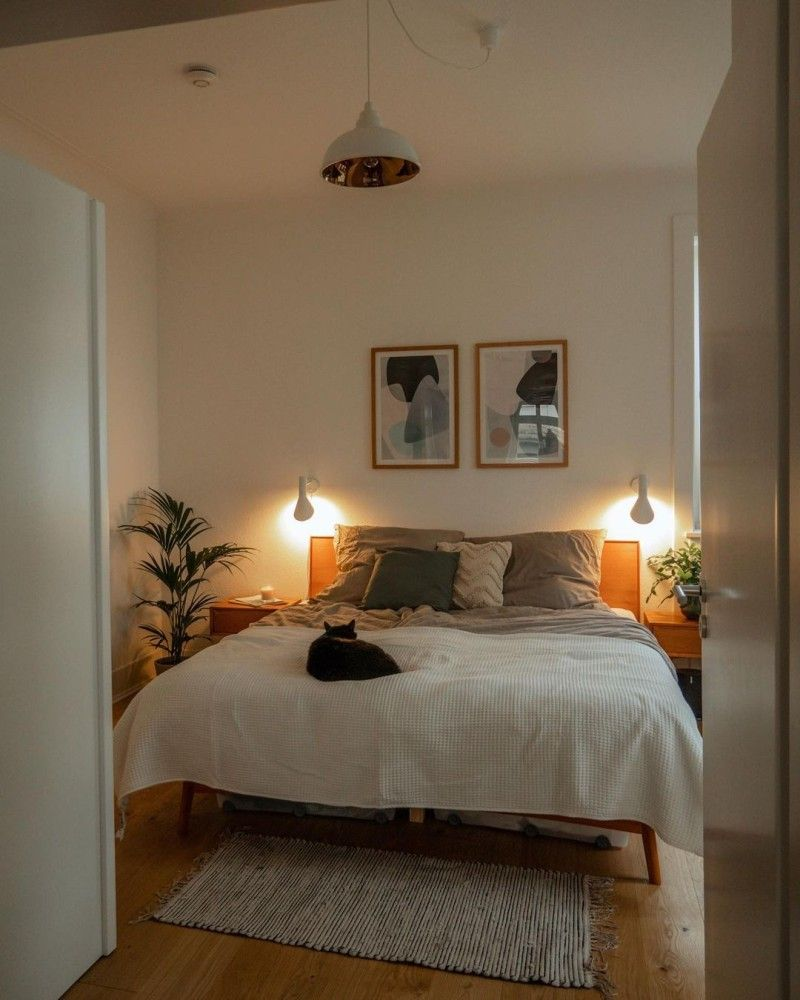
Quick Comparison: Where to Start Based on Your Room
| Your situation | Start here | Why |
|---|---|---|
| Renting, can’t paint or drill | Layered lighting + textiles (Ideas 1, 3, 9) | Zero commitment, fully reversible |
| Room under 100 sq ft | Vertical storage + bed placement (Ideas 6, 11, 14) | Floor space is your scarcest resource |
| Sharing walls with roommates/family | Sound-softening + white noise (Idea 19) | Cozy also means undisturbed |
| Have $200-400 to spend | New bedding + one statement piece (Ideas 2, 15) | Highest visual impact per dollar |
| Have almost $0 to spend | Rearranging + decluttering (Ideas 20, 21) | Layout changes are free |
1. Layer at Least Three Light Sources — Never Rely on the Overhead Light Alone
Here’s the thing that changes a small bedroom more than almost anything else: overhead lighting makes small rooms look smaller. It’s flat, it’s harsh, and it lights up every inch of clutter at once, which in a small space is a lot of inches.
My friend Priya swapped her ceiling light for a floor lamp with a warm 2700K bulb, a small table lamp on her nightstand, and a plug-in sconce above her reading chair — and didn’t touch the walls at all since she’s renting.
The room reads bigger in photos and in person, because your eye moves between pools of light instead of taking in the whole box at once.
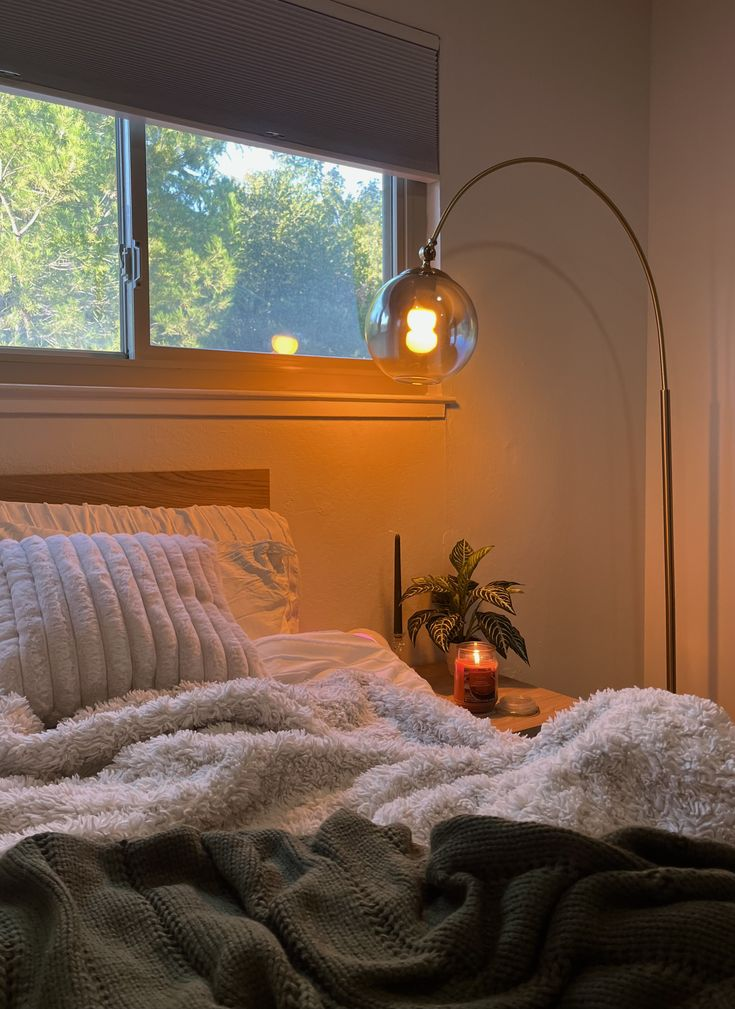
Pro tip: Match the color temperature across all your bulbs (aim for 2700-3000K, labeled “warm white” or “soft white” on the box). Mixing a cool white overhead with warm lamps is one of the fastest ways to make a room feel unsettled without knowing why.
2. Go Heavier on Bedding Than You Think You Should
This is the one upgrade I’d tell past-me to do first. I spent two years buying decor before I upgraded my actual duvet, and it was backwards — the bed takes up 40-60% of the visual space in a small bedroom, so it’s doing most of the work whether you decorate around it or not.
I went from a thin polyester comforter to a linen duvet with a waffle-weave blanket layered on top, and the room genuinely looked more expensive before I changed anything else. Texture reads as “cozy” in photos and in person in a way that flat cotton just doesn’t.
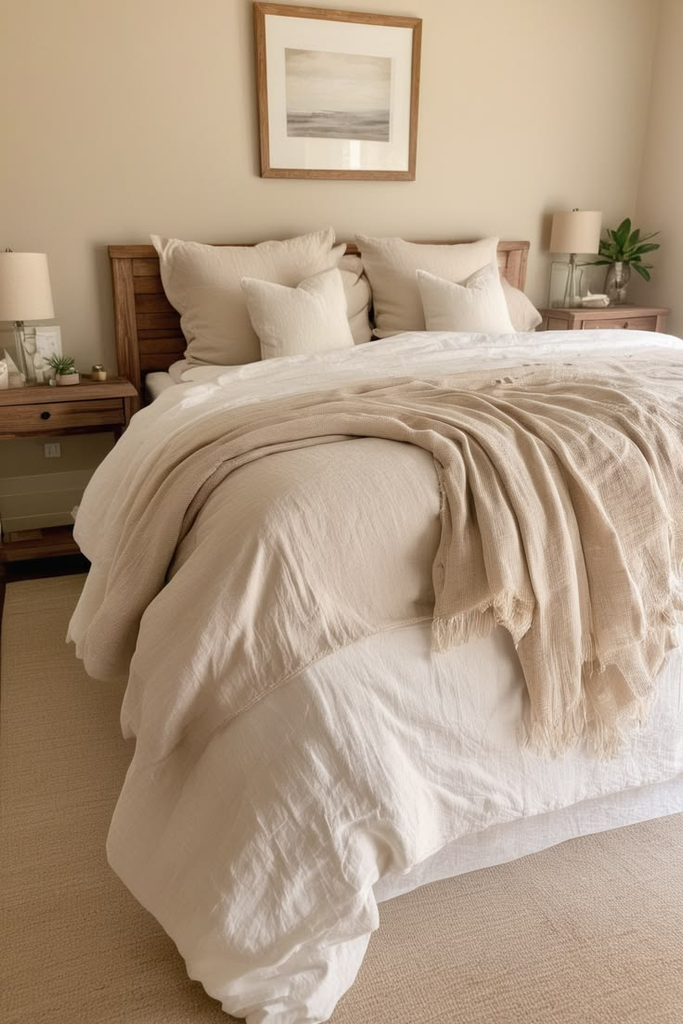
Pro tip: Buy a duvet insert one size up from your mattress (a full bed gets a queen insert, a queen gets a king). It creates that slightly overstuffed, hotel-bed look instead of the flat, stretched-tight look you get from matched sizing.
3. Use a Rug That’s Bigger Than You Think Will Fit
A too-small rug is one of the most common small-bedroom mistakes, and it’s counterintuitive — people go small because they think it’ll make the room feel roomier. It does the opposite.
A rug floating in the middle of the floor with bare space around it actually chops the room into visual sections and makes it read smaller.
In a room under 100 square feet, aim for a rug that extends at least a foot past the sides of your bed frame, or that reaches toward two walls. If you can’t fit a full room rug, a runner along one long side of the bed still does more than a small accent rug centered under nothing in particular.
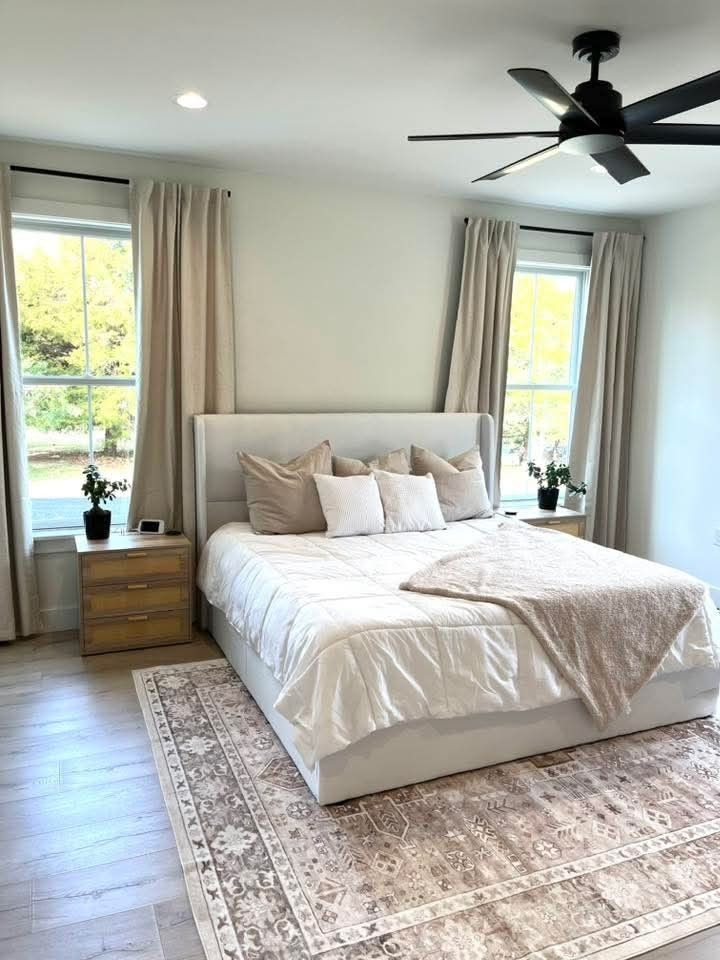
Pro tip: Layer a smaller vintage-style rug on top of a large jute or sisal rug if you want texture without the cost of one giant patterned rug — this is a trick I picked up from a reader comment on an older post of mine, and it works.
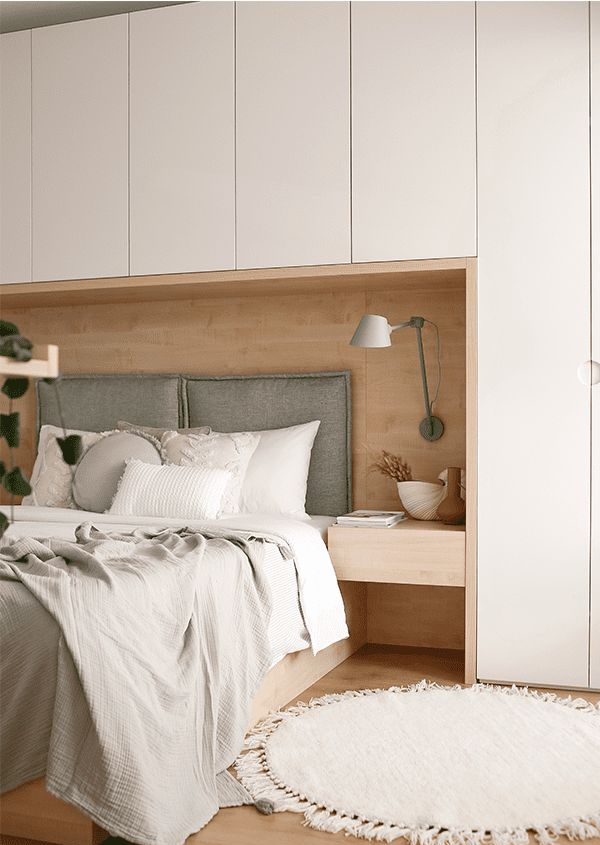
4. Pick a Headboard That Does Double Duty
If your room is tight, a bulky wooden headboard eats space you don’t have. But skipping a headboard entirely leaves your bed looking unanchored against the wall. The fix is a headboard that solves another problem while it’s at it.
An upholstered headboard with a slight cushion softens the room acoustically (useful if you’re a side-sleeper who reads in bed) and gives you something to lean on that isn’t drywall.
If storage is your real problem, a slim headboard with built-in shelving on either side replaces a nightstand entirely — I did this in a 9×10 room and got back almost two square feet I’d been losing to a bedside table.
5. Choose a Duvet Cover in a Warm, Muted Tone Over Stark White
White bedding photographs well, but in a small room with limited natural light, it can read as sterile rather than cozy — more clinical than inviting.
Warm neutrals (terracotta-adjacent creams, warm taupe, soft rust) absorb light softly instead of bouncing it around, which is part of what makes a room feel enveloping instead of exposed.
This doesn’t mean going dark and moody if that’s not your style — a warm off-white or oatmeal reads just as cozy as terracotta if you keep the undertone warm rather than cool-gray.
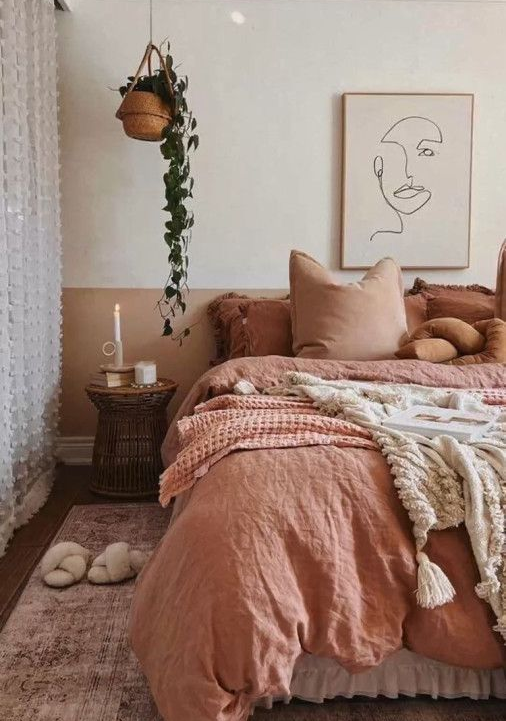
Pro tip: Hold your bedding up against a north-facing window if you have one — cool-toned rooms need warm bedding to balance out, more than south-facing rooms do.
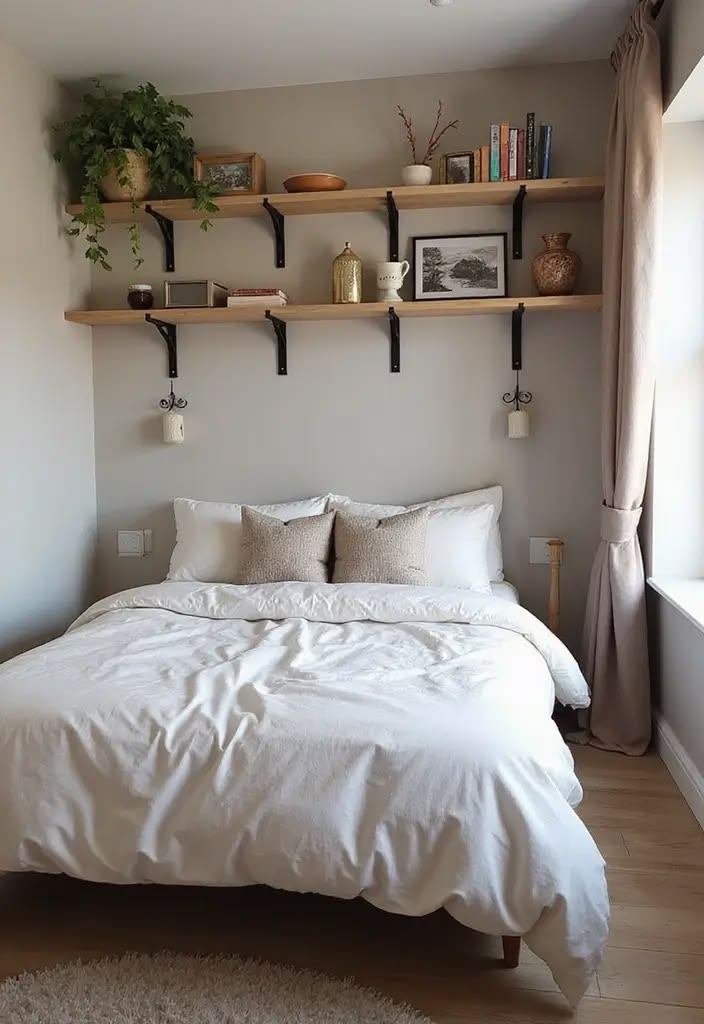
6. Go Vertical With Storage Before You Buy Anything That Sits on the Floor
Floor space in a small bedroom is the most valuable real estate you have, and it’s the first thing people give up to storage furniture. Before you buy a dresser, look up.
Wall-mounted shelves above a desk, a shoe rack that hangs on the back of a closet door, over-the-door hooks for bags — all of it keeps your floor clear, which matters more for “feels cozy vs.
feels cramped” than almost any single item you buy. My studio apartment is 410 square feet and the closet is basically a suggestion, so vertical storage in the bedroom itself isn’t optional for me — it’s the whole system.
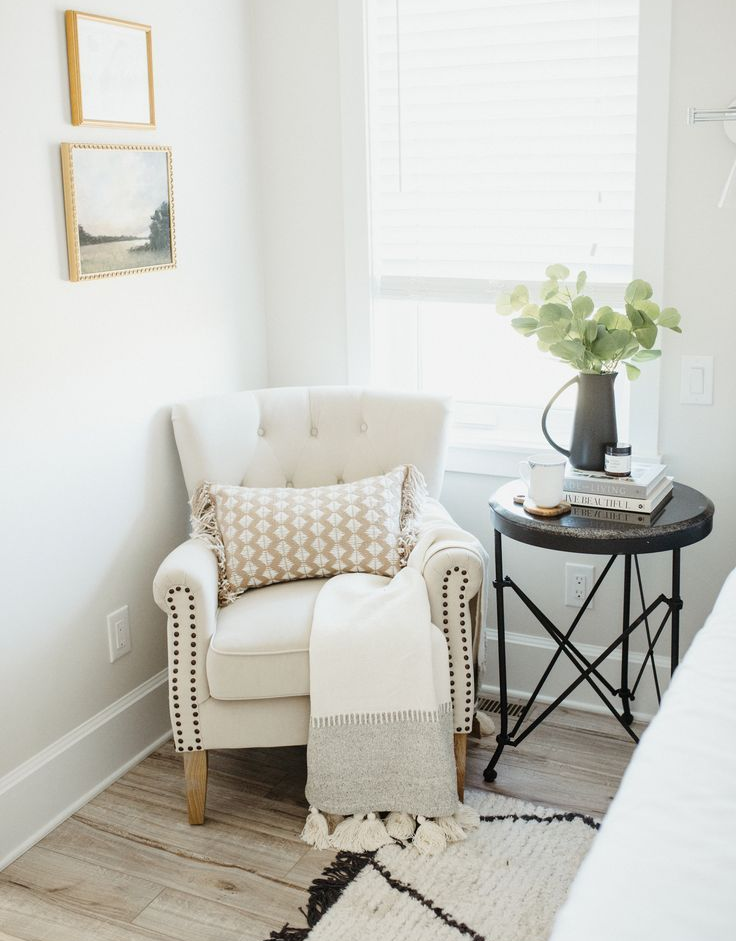
7. Add a Small Reading Chair Only If It Can Also Hold Laundry
I know “add a chair” is standard small-bedroom advice, and I almost skipped it here because it sounds like filler.
But the honest version of this tip is: a reading chair in a small bedroom only earns its space if it’s doing a second job, because otherwise it becomes a laundry chair by week two anyway — so you might as well pick one that’s designed for it.
A slim accent chair with a woven basket tucked underneath, or a bench with hidden storage instead of a chair, gives you the cozy reading-nook look without pretending you’re not going to drape a sweater over it eventually.
8. Hang Curtains Higher and Wider Than the Window Frame
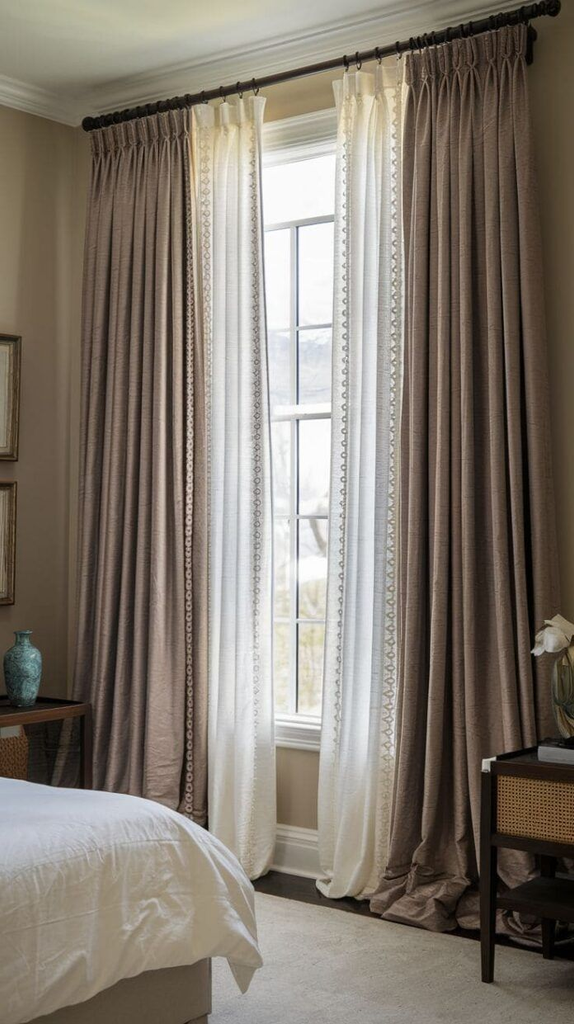
This one is nearly free and makes a bigger difference than most paid upgrades. Mounting curtain rods 4-6 inches above the window frame and letting the curtains extend a few inches past each side makes the window — and by extension the wall — look taller and wider than it is.
Floor-length curtains that just barely skim the floor (not puddle, not float above it) add height to the whole room.
I redid this in my current apartment using $30 curtains from a home goods store and it did more for the room’s proportions than the $150 rug I bought the same month.
Pro tip: Use a tension rod if you can’t drill — they’ve gotten sturdy enough for lightweight curtains and most renters don’t realize this is an option.
9. Bring in at Least One Real Plant (or a Convincing Fake One)
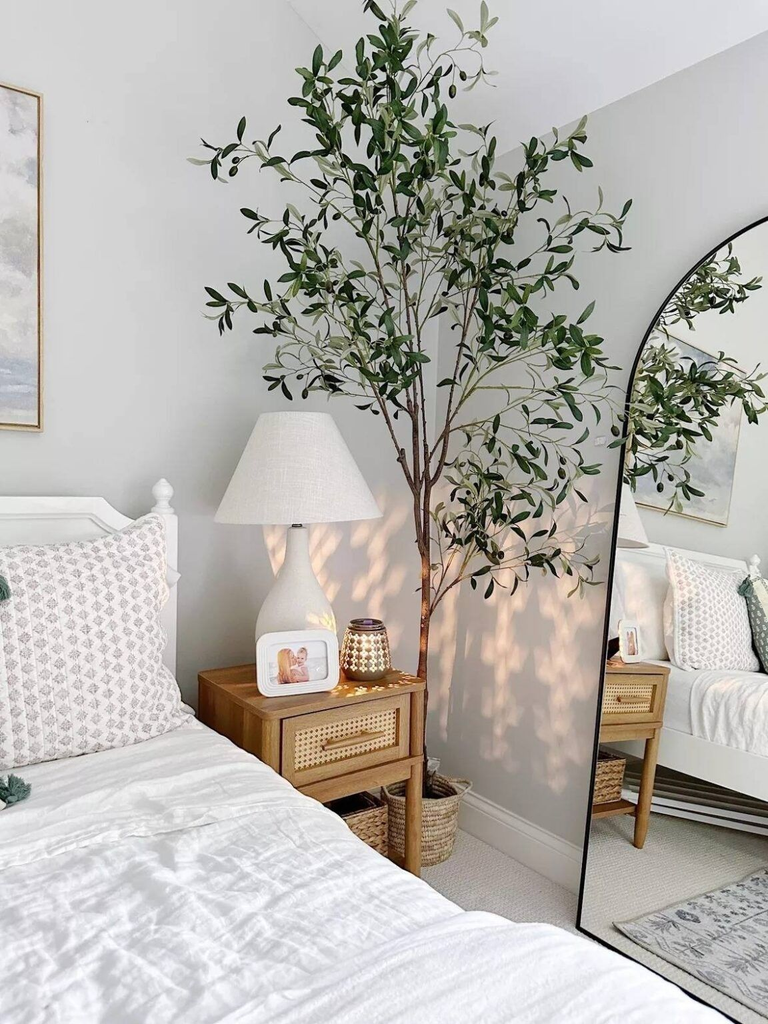
Greenery is one of the cheapest ways to add “life” to a room without adding clutter, but in a small bedroom, go with one or two larger plants rather than five small ones scattered around — small plants read as clutter faster than one statement plant does.
Low-light options like a pothos or a snake plant work in bedrooms that don’t get much sun, which is most small apartment bedrooms in my experience.
If you kill every plant you touch (no judgment, I did too for years), a high-quality faux fiddle leaf fig in a woven basket does most of the same visual work.
10. Choose a Nightstand With Storage, Not Just a Flat Surface
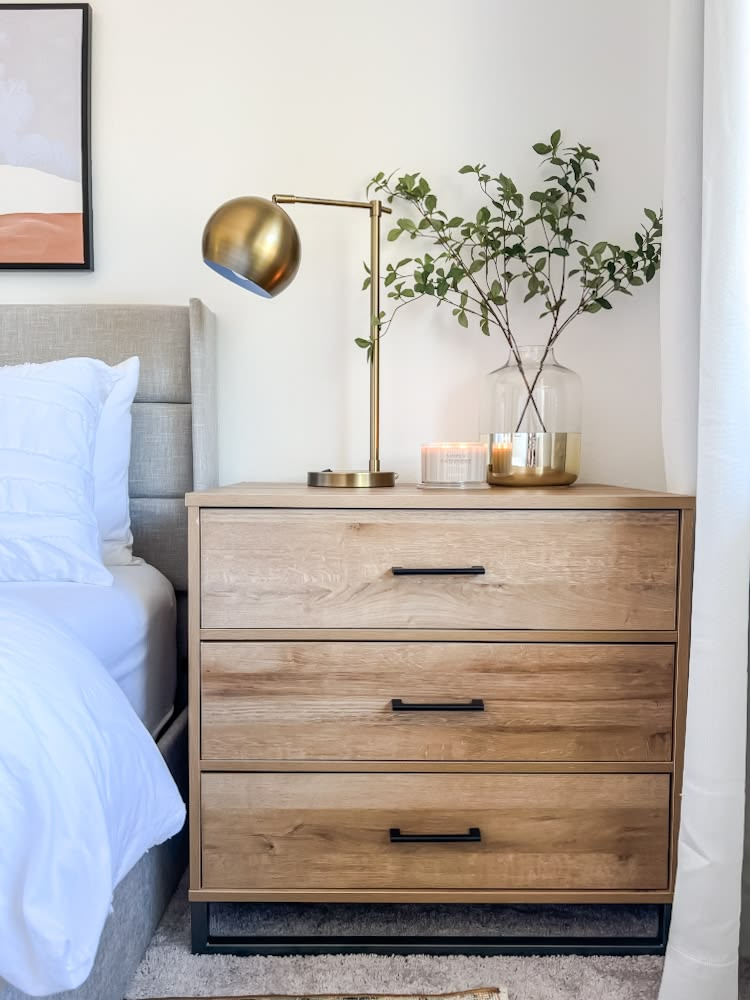
A nightstand that’s just a surface — a stool, a crate, a floating shelf — looks minimal in photos but in real life becomes a pile of chargers, tissues, and whatever book you’re not finishing.
In a small room, visual clutter reads louder than it would in a bigger one, so hidden storage matters more here, not less.
A small nightstand with one drawer is enough. You’re not trying to hide a wardrobe’s worth of stuff, just enough to keep the surface itself looking intentional.
11. Float the Bed Away From the Corner If You Have Even a Few Extra Inches
The instinct in a small room is to shove the bed into a corner to “save space,” but a bed pushed into a corner often makes the room feel more cramped, not less — it eliminates one whole side of visual breathing room and makes the corner itself feel dead.
If you have even six inches to spare, pulling the bed just slightly off the wall and adding a small table or plant in that gap creates the illusion of a room with intentional zones, rather than one piece of furniture wedged wherever it fit.
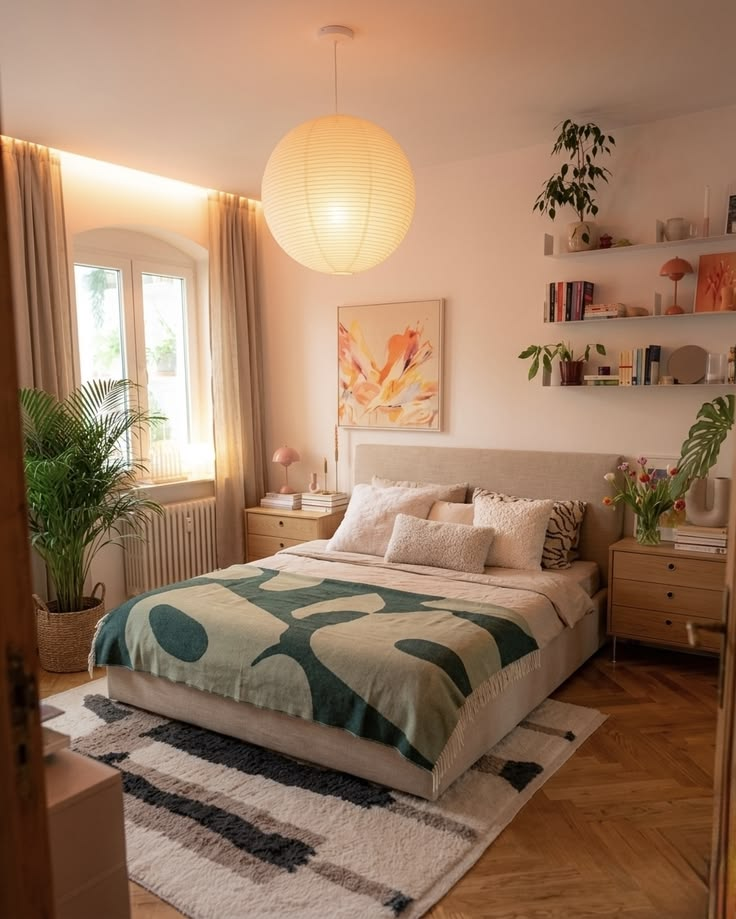
Pro tip: This doesn’t work in every room — if your door swing or closet access genuinely requires the corner placement, don’t force it. Function first, always.
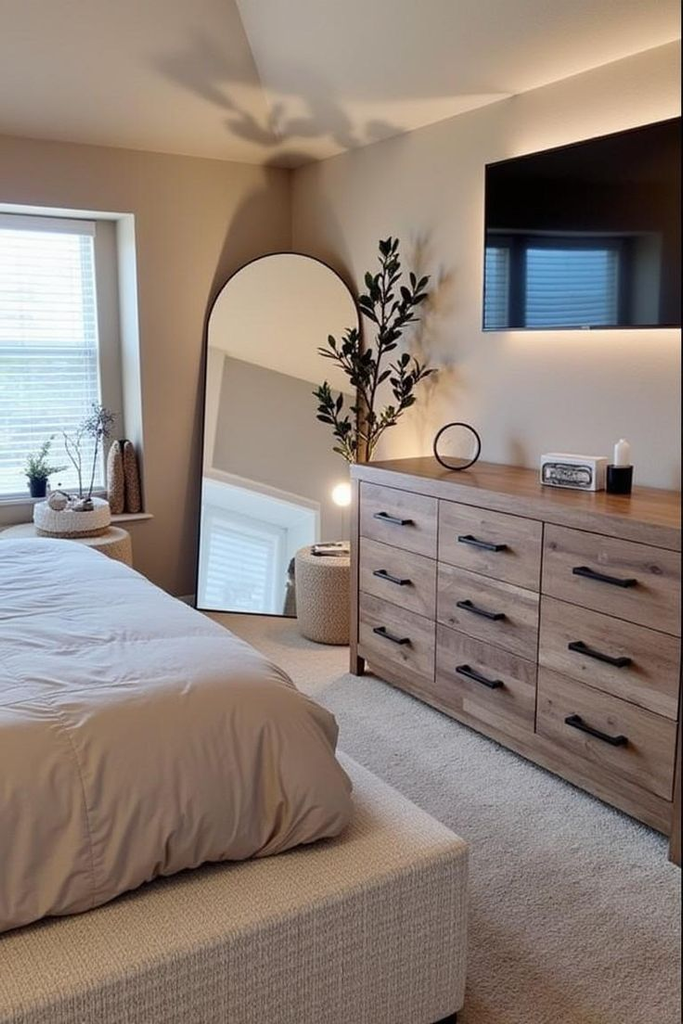
12. Use a Mirror to Bounce Light, Not Just for Outfit Checks
A large mirror placed to reflect your window (not your closet or a wall) genuinely increases how bright the room feels at different times of day.
This is one of those tips that sounds like decor-blog filler until you actually try it and notice the difference on a gray afternoon.
Lean a full-length mirror against a wall at an angle rather than hanging it flat if you want it to catch more of the window’s light — a small adjustment that makes a bigger difference than people expect.
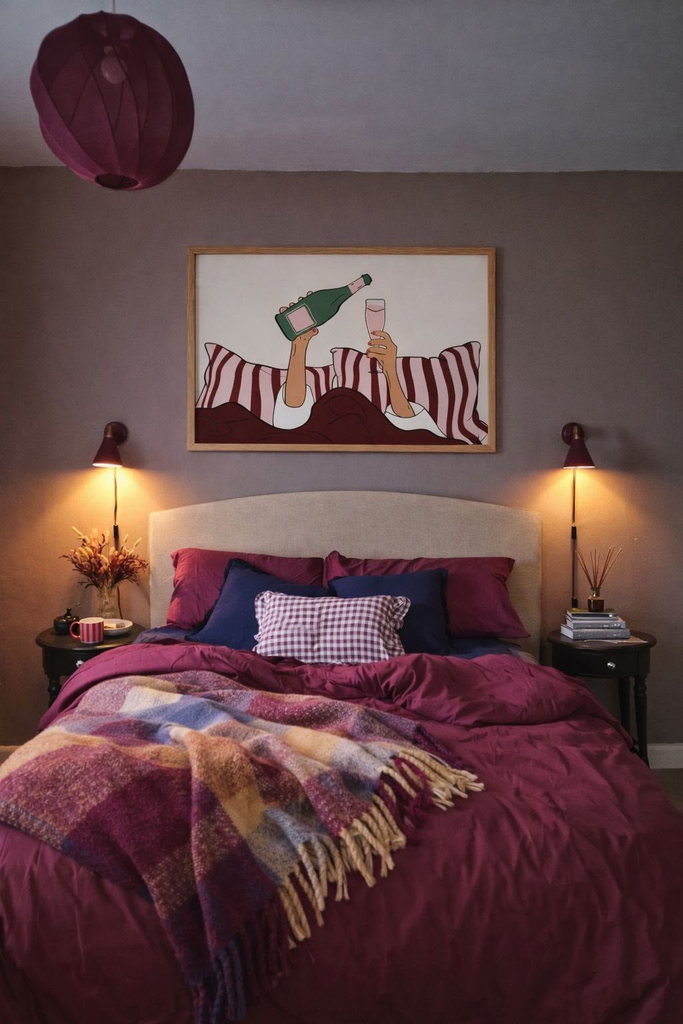
13. Pick One “Statement” Item and Keep Everything Else Quiet
Small rooms get visually loud fast because every item is closer together and competing for attention. Pick one thing to be the star — a patterned duvet, a bold headboard, an oversized art piece — and keep the rest of the palette calm around it.
I made this mistake early on: patterned bedding, a patterned rug, and gallery wall art all in the same room, and it looked chaotic in photos even though I liked every individual piece.
Once I kept the rug and walls neutral and let the bedding be the one loud element, the whole room felt more put-together, not less personal.
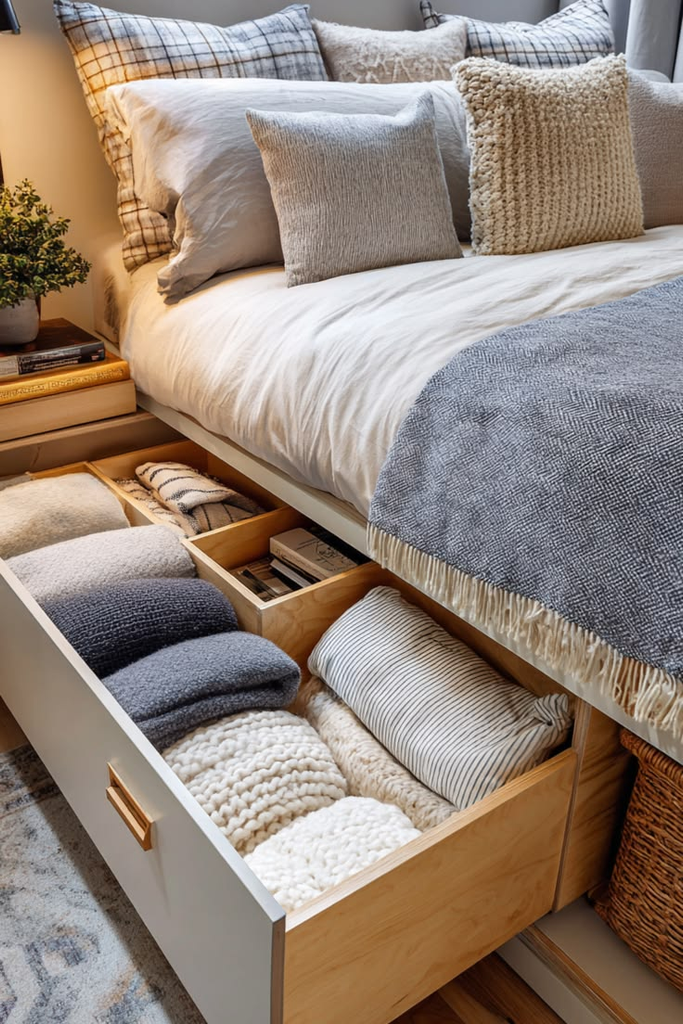
14. Use Under-Bed Storage Bins Instead of a Bulky Dresser (If Ceiling Height Allows)
If your bed frame has clearance underneath, flat storage bins or a set of rolling drawers can absorb an entire dresser’s worth of clothes without taking up a single inch of floor space beyond the bed’s existing footprint.
This isn’t a fit for platform beds with no clearance, so measure before you buy — I learned this the hard way after ordering bins that didn’t clear my frame by about an inch and had to return them.
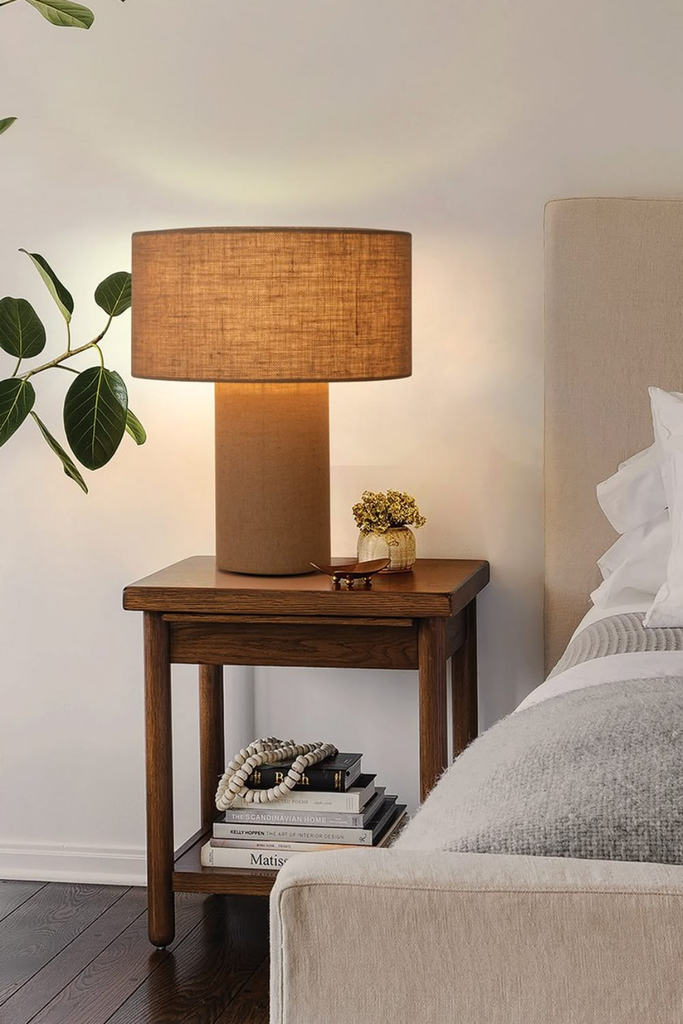
15. Add Warmth Through a Table Lamp With a Fabric (Not Bare Bulb) Shade
The shade material matters more than people expect. A bare bulb or a hard glass shade throws light in every direction evenly, which reads as clinical.
A fabric shade — linen, cotton, even a woven rattan style — diffuses the light and warms its color slightly, which is a huge part of what makes a lamp feel “cozy” versus just functional.
This is a genuinely small swap, often under $40, and it’s one of the highest-impact-per-dollar changes on this whole list.
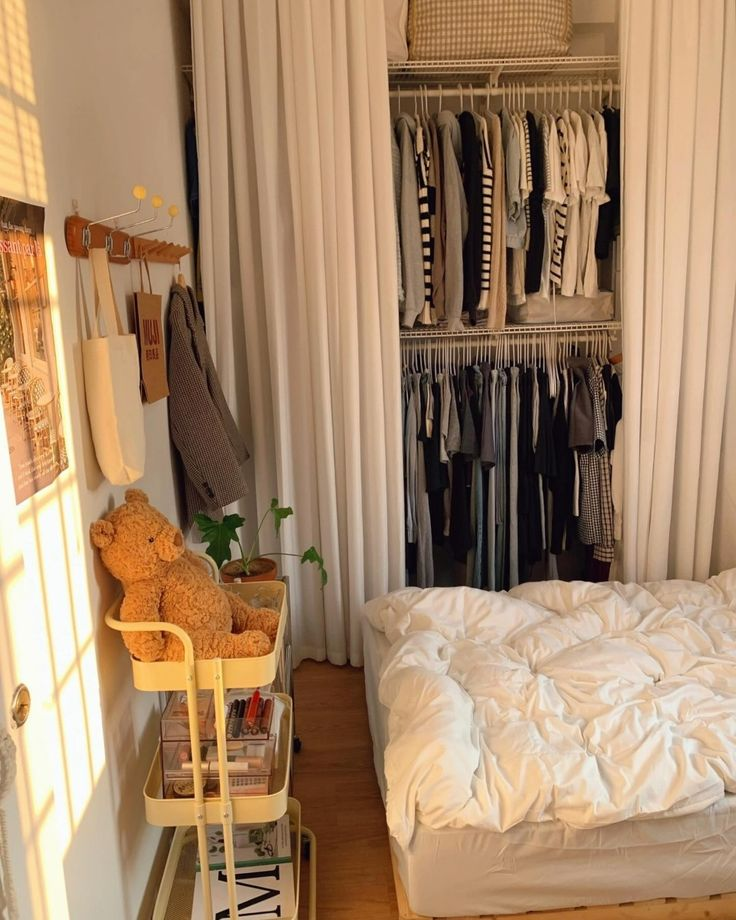
16. Keep the Closet Door Actually Closed, or Replace It With a Curtain
An open closet, even a tidy one, adds visual noise to a small room because your eye can’t rest — it’s always processing the hanging clothes, the shelf clutter, the shoe pile.
If your closet door doesn’t close well, or you don’t have one, a simple curtain on a tension rod hides all of it for under $30.
This sounds almost too obvious to include, but it’s one of the most common things I notice in small-bedroom photos people send me — the room itself is styled well and the closet is doing all the damage.
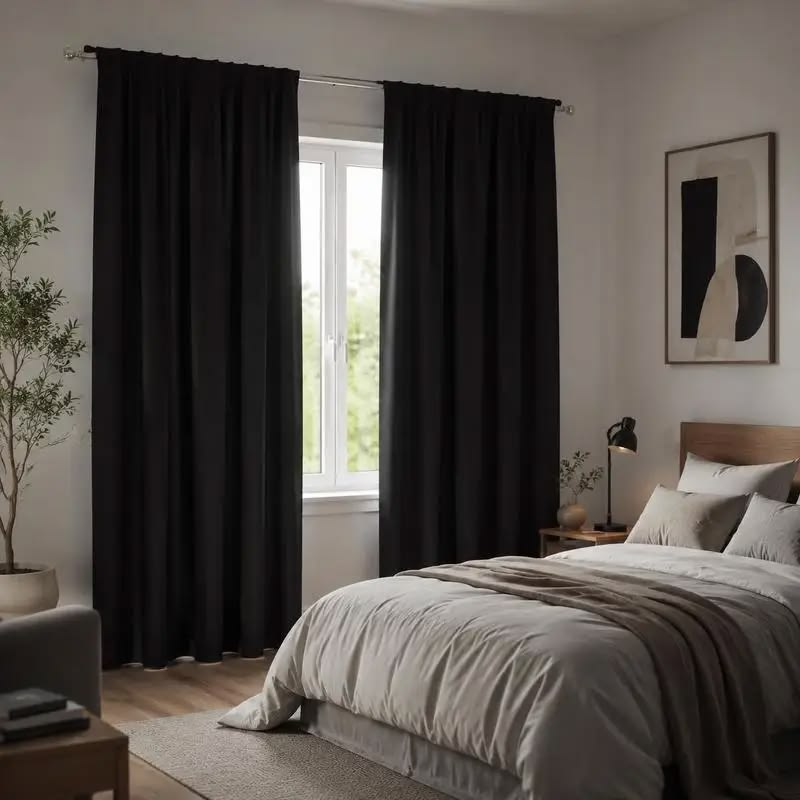
17. Choose Blackout Curtains If Your Room Gets Early Morning Light
This one’s less about aesthetics and more about actually sleeping well, which is the whole point of a cozy bedroom in the first place.
If your window faces east or you’re on a floor where streetlights hit your room at night, blackout lining changes how the space feels at 6am far more than any decor choice will.
You can buy blackout liners separately and hang them behind your existing curtains if you don’t want to give up the look of the curtains you already have.
18. Add Texture Through Throw Pillows and a Throw Blanket, Not More Furniture
When a small bedroom feels flat, the instinct is often to add another piece of furniture, but usually what’s missing is texture, not stuff.
A chunky knit throw at the foot of the bed and two or three pillows in different fabrics (velvet, boucle, linen) do more for “cozy” than an extra side table ever will, and they take up zero floor space.
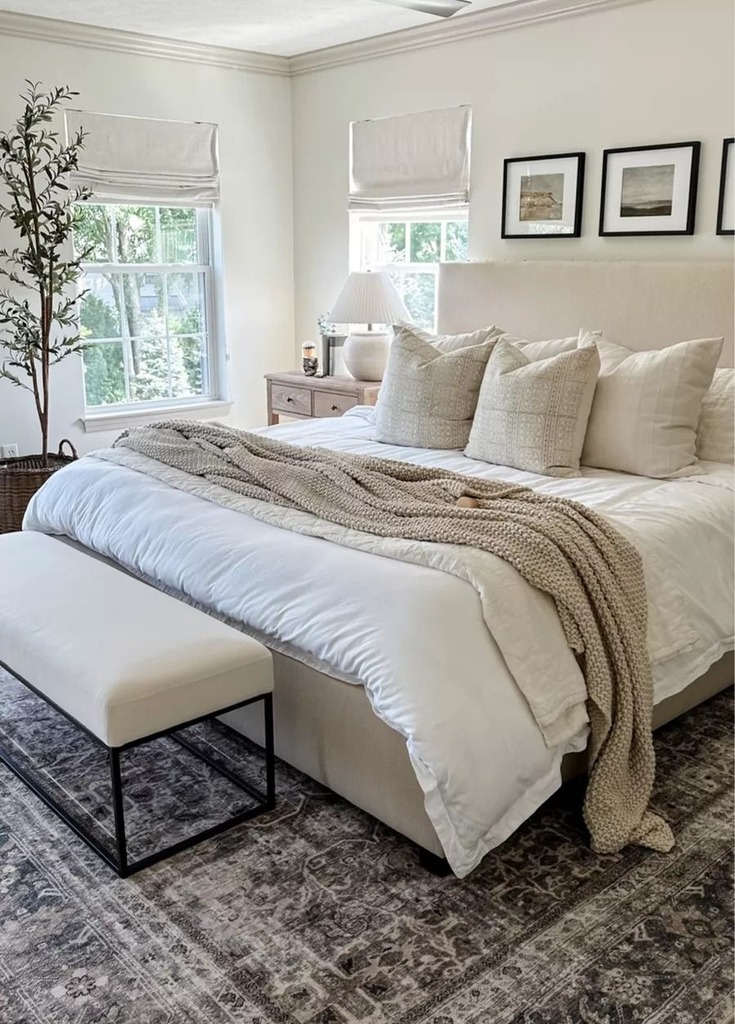
Pro tip: Stick to 2-3 pillows on a full or queen bed. More than that and you’re sleeping with a pile you have to move every single night, which gets old fast and usually ends with them on the floor permanently.
19. Address Sound, Not Just Sight, If You’re Sharing Walls
Cozy isn’t only visual — if you can hear every conversation in the next apartment, the room won’t feel restful no matter how good it looks. A rug, heavier curtains, and an upholstered headboard all do double duty here by softening hard surfaces that bounce sound around.
A small white noise machine on the nightstand is the cheapest fix if the room still feels loud after you’ve softened the surfaces you can control.
This isn’t decor advice exactly, but it’s the difference between a room that looks cozy and one that actually feels that way at 11pm.
20. Edit Down to What You Actually Use Before You Buy Anything New
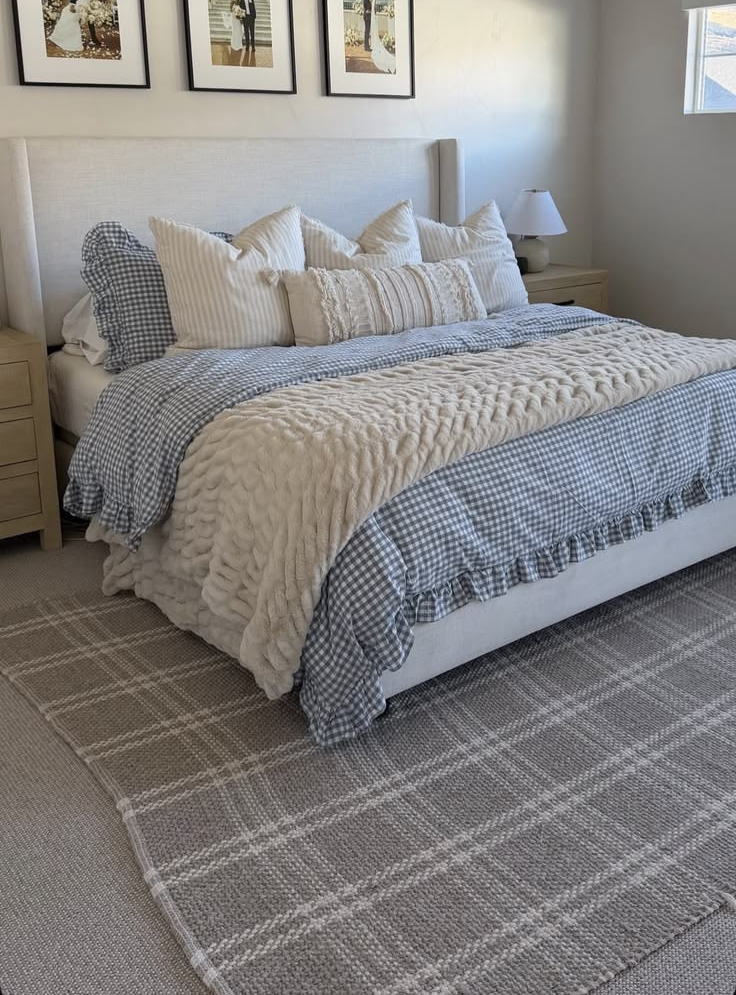
This is the least glamorous idea on the list and probably the most effective one. Before spending money on new storage or furniture, take everything off every surface in the room and only put back what you’ve used in the last month.
Small rooms fill up fast with stuff that technically has a “spot” but doesn’t need to be there.
I do this every few months and I’m always surprised by what’s been sitting on my dresser doing nothing — old receipts, a hair tie collection I don’t remember starting, a candle I don’t like the smell of but kept anyway.
21. Rearrange Before You Redecorate
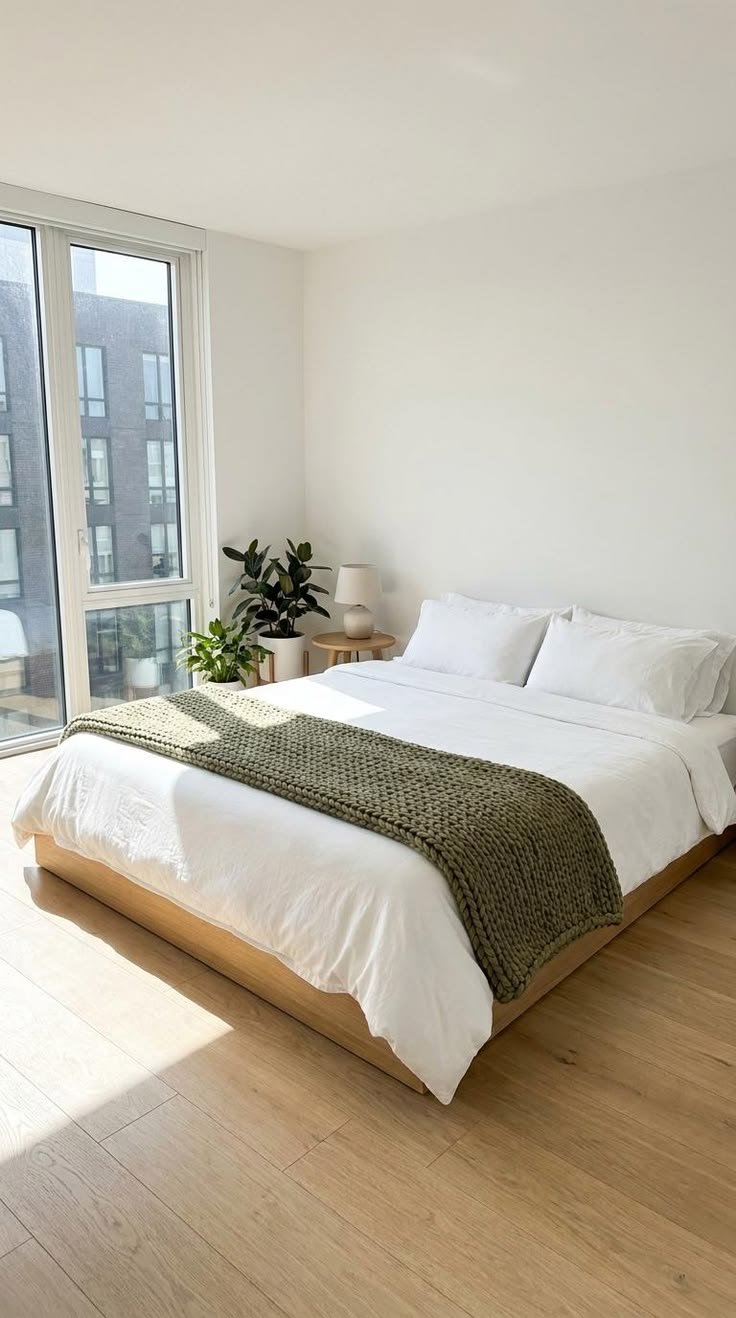
Try at least two or three different bed placements and furniture arrangements before you spend money on anything. The “obvious” layout — bed against the longest wall — isn’t always the one that makes a small room feel biggest.
Sometimes a diagonal placement, or centering the bed under a window instead of against a wall, opens up flow in a way you wouldn’t guess from looking at the room in its current setup.
This costs nothing but an afternoon, and it’s the step most people skip because it feels like it should be obvious rather than something worth actually testing.
22. Pick a Scent for the Room, Not Just a Look
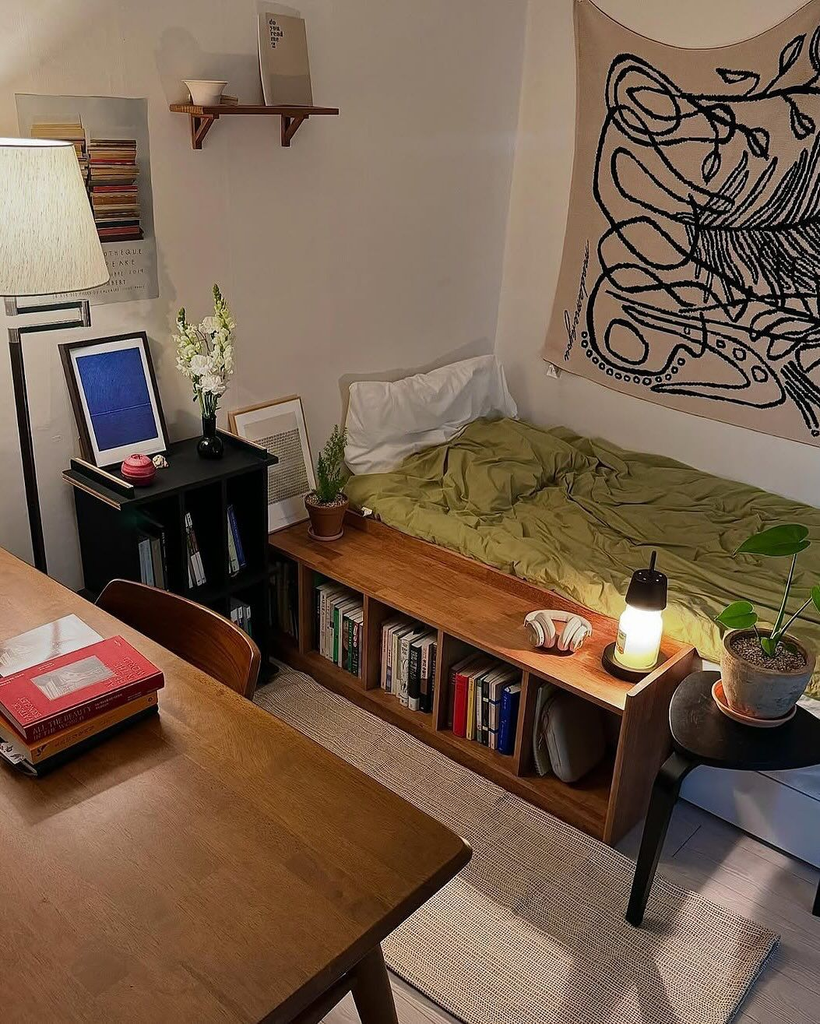
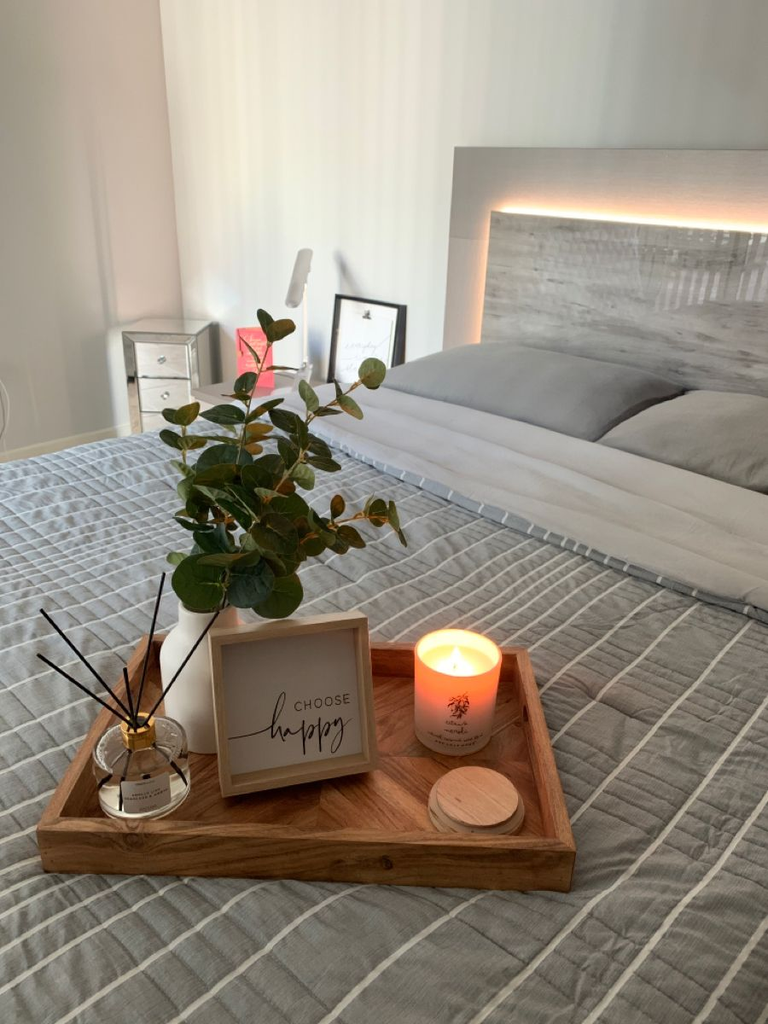
This is the idea I almost left off because it’s not visual, but a consistent scent — a specific candle, a reed diffuser, even the same laundry detergent on your sheets — does something for how “cozy” a room feels that’s hard to explain until you notice it in someone else’s space first.
It’s part of why some rooms feel instantly comforting the second you walk in, before you’ve even looked around.
Pick one scent and stick with it in that room specifically, rather than rotating candles constantly — the familiarity is part of what makes it feel like your space.
If I Were Starting Over
Honestly, if I were redoing my old 9×10 room from scratch, I’d do the lighting first, the bedding second, and the rug third — in that order, before touching anything else on this list.
Those three things did more for how the room actually felt than every decor purchase I made in the two years before I got them right. Everything else on this list is real and worth doing eventually, but those three are where the actual coziness comes from, and everything else is just refinement on top of it.
Small doesn’t have to mean sparse, and it definitely doesn’t have to mean dorm room. It just means being a little more deliberate about what earns a spot in the room — which, if I’m honest, isn’t the worst habit to build anyway.


Leave a Reply