
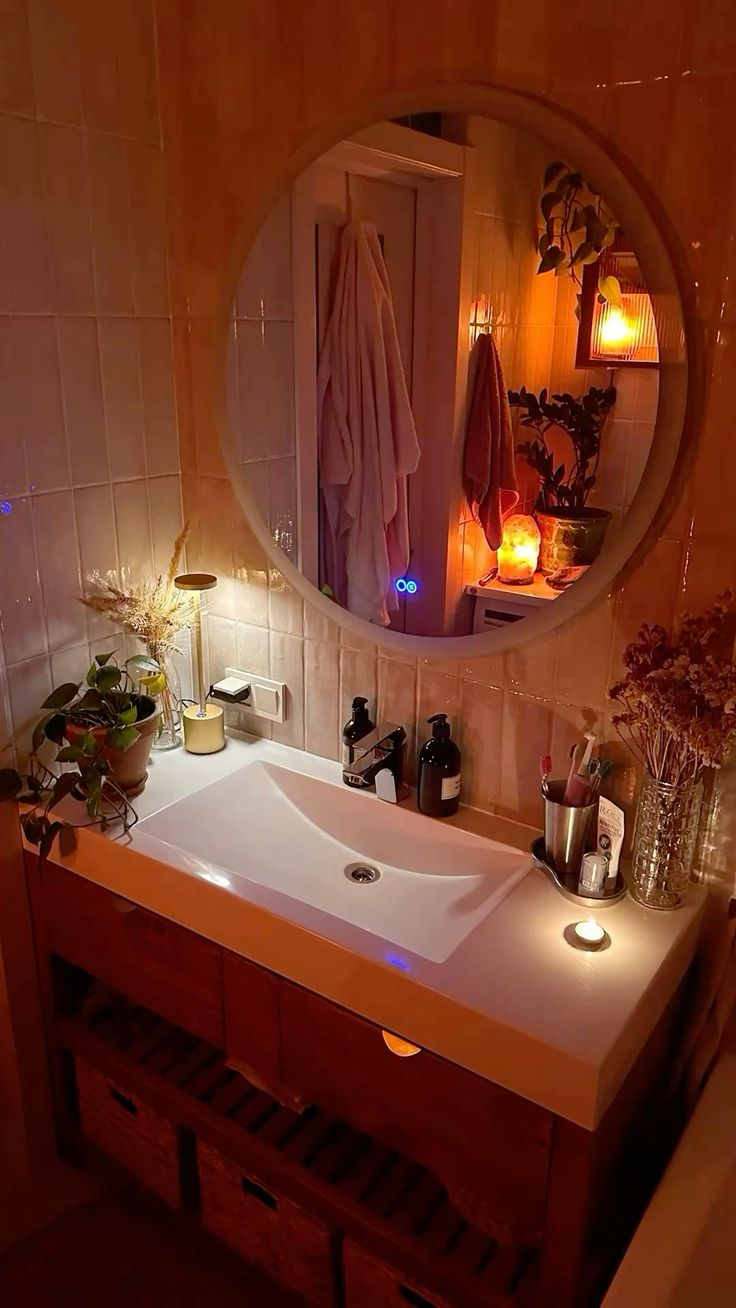
My first apartment’s bathroom had a mirror so cloudy around the edges it looked like it was permanently fogged, even hours after a shower, and I lived with it for almost a year assuming there was nothing I could do about a builder-grade fixture without actually replacing it.
Turns out there was a $25 fix that took twenty minutes and didn’t involve touching a single screw in the wall — I just didn’t know it existed yet, which is basically the story of every renter-friendly bathroom fix I’ve since learned about.
Landlord-approved bathroom decor is its own specific category, separate from general rental decor, for one reason that a lot of “renter-friendly” roundups skip entirely: humidity.
A method that works great on a bedroom wall can genuinely fail in a bathroom, where steam, moisture, and temperature swings are a daily reality that regular adhesive hooks and standard removable products aren’t always rated for.
Everything on this list either accounts for that moisture problem directly or avoids adhesive-to-wall contact altogether.
I’m grouping these 21 ideas by what they’re actually solving — walls and surfaces, storage, lighting and fixtures, and the smaller finishing touches — because a bathroom, more than almost any other room, benefits from tackling one or two bigger changes well rather than a dozen small ones half-heartedly.
Walls and Surfaces: The Bathroom-Specific Adhesive Rules
1. Peel-and-stick tile for a small accent area
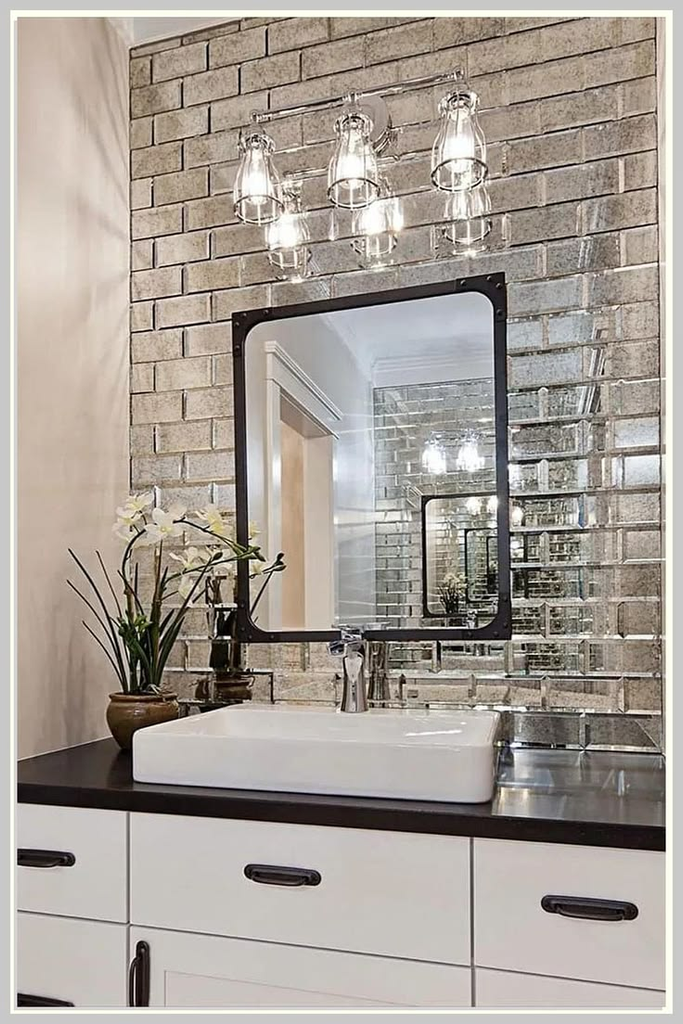
A small section of peel-and-stick tile — around a mirror, along a lower wall panel, or as a small backsplash behind a sink — gives a bathroom real visual texture without touching grout or drywall permanently.
The key difference from using this same product elsewhere in your apartment is picking a version specifically rated for high-humidity areas, since a standard peel-and-stick tile meant for a kitchen backsplash away from direct water exposure can lift and peel in a steamy bathroom within a few months.
Pro tip: Keep peel-and-stick tile out of the direct shower spray zone even if it’s rated for humidity — “humidity resistant” and “waterproof enough for direct water contact” are genuinely different claims, and the fine print usually clarifies which one applies.
2. Removable wallpaper on a dry accent wall
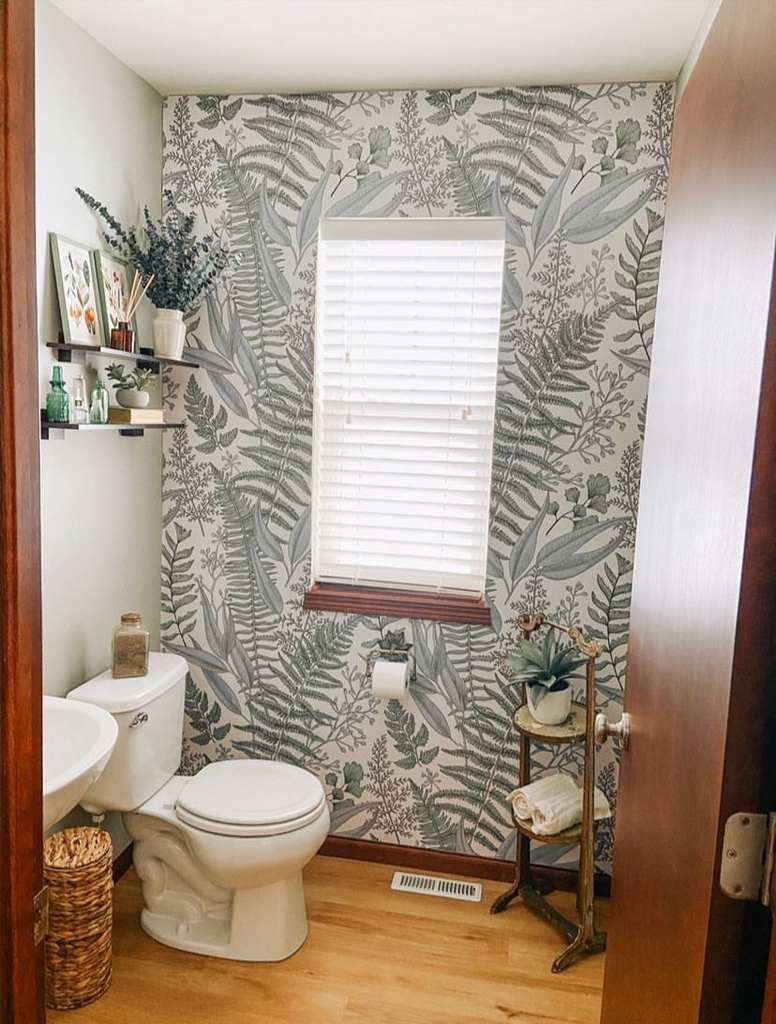
A wall that doesn’t get direct splash or steam exposure — often the wall opposite the shower, or a half-wall by the door — is a good candidate for a small section of removable wallpaper, adding pattern and color in the one part of the room where humidity is less of a daily concern.
This is a much safer bet than wallpapering a wall directly behind a sink or inside a shower enclosure.
| Wall Treatment | Humidity Tolerance | Best Placement in a Bathroom | Removal Difficulty |
|---|---|---|---|
| Humidity-rated peel-and-stick tile | High | Around sink, mirror surround | Moderate |
| Standard removable wallpaper | Low-moderate | Dry accent wall away from shower | Easy if applied correctly |
| Window clings | High (waterproof) | Bathroom window | Very easy |
| Contact paper (cabinet interior) | Moderate | Inside cabinets, not exposed walls | Easy |
| Vinyl wall decals | Low-moderate | Dry wall sections only | Easy |
3. A frameless mirror overlay for a builder-grade medicine cabinet mirror
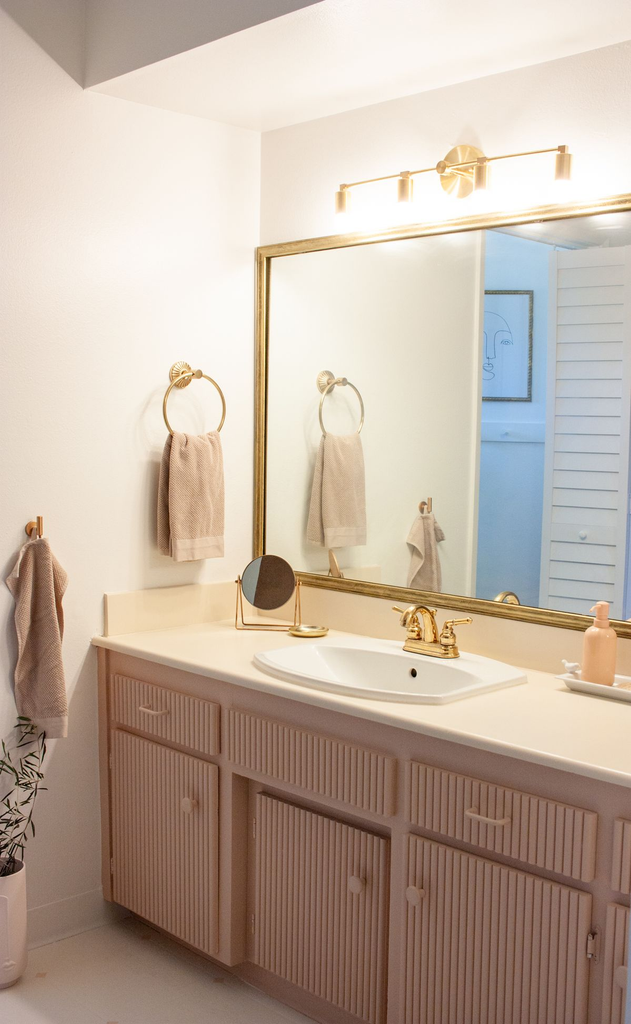
Rather than replacing an outdated builder mirror, a thin frame overlay that clips or adheres around the existing mirror’s edge gives it a finished, updated look without removing or altering the mirror itself.
This is the exact fix I wish I’d known about for that permanently-foggy-looking mirror in my first apartment — it wasn’t actually about the mirror’s clarity at all, it was just an outdated, unframed edge making the whole thing look neglected.
Pro tip: Measure your mirror’s exact dimensions, including any rounded corners, before ordering a frame overlay — a lot of these are designed for standard rectangular mirrors, and an oddly shaped builder mirror may not be a clean fit.
4. A window cling for bathroom window privacy
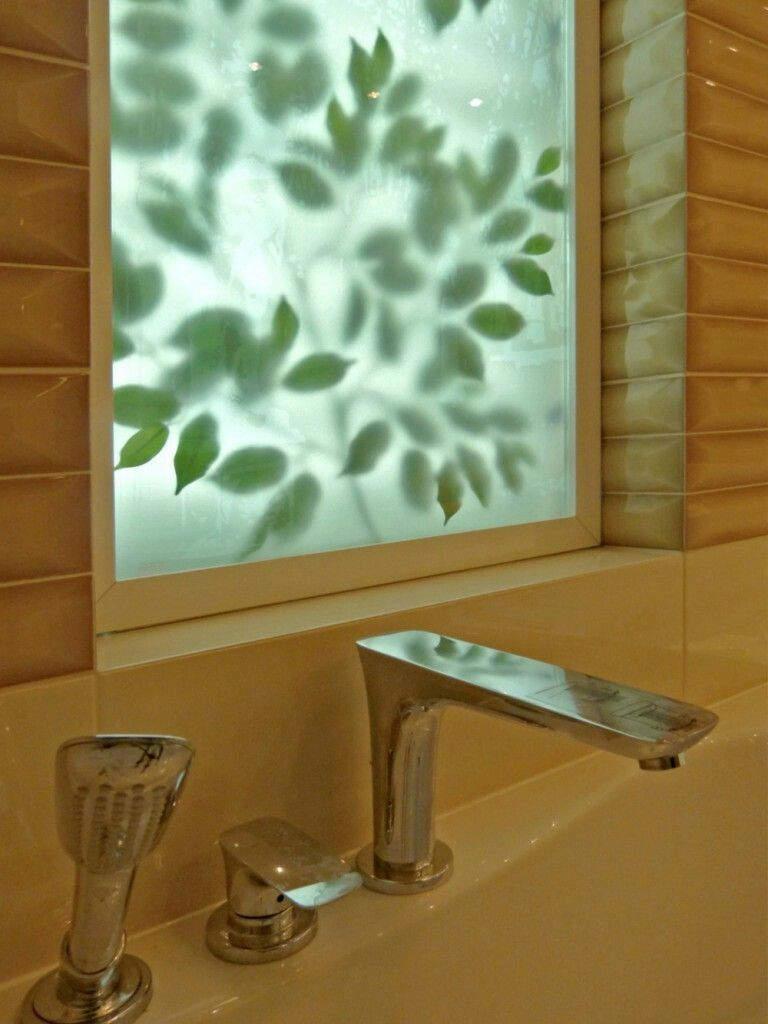
A frosted or patterned window cling is one of the few products that genuinely performs as well in a humid bathroom as anywhere else in an apartment, since most are designed to be fully waterproof.
It adds privacy or diffused light without permanent film or blinds, and it comes off in one clean peel.
5. Vinyl wall decals on a dry section of wall
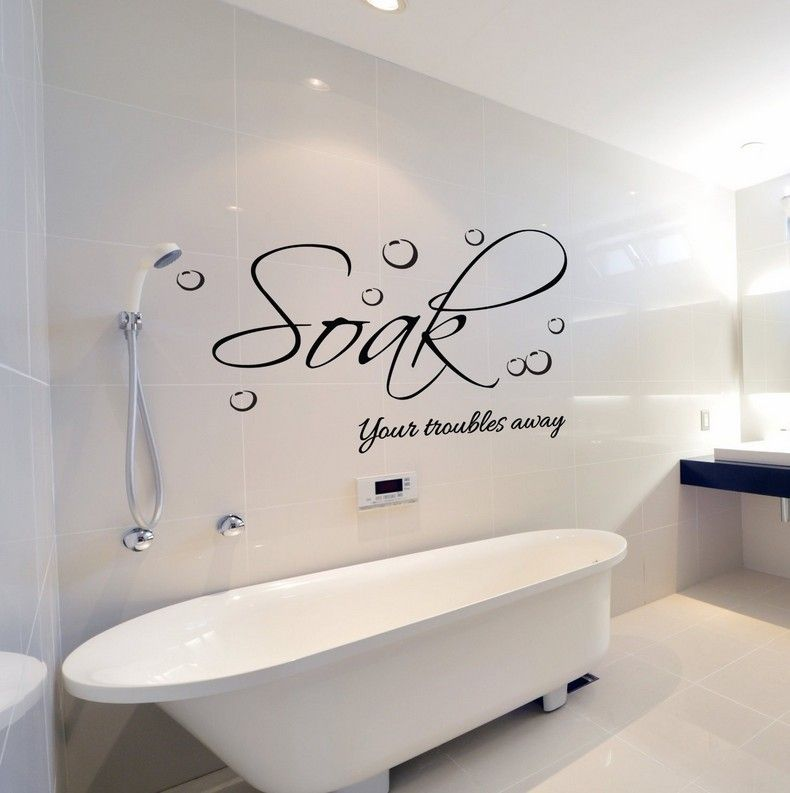
A quote, pattern, or simple shape in vinyl decal form works on a bathroom wall the same way it would anywhere else in an apartment, as long as it’s placed away from direct moisture exposure.
This is a good lower-commitment option if a full tile or wallpaper section feels like too much for a room this size.
Storage That Doesn’t Require Drilling Into Tile
6. A tension pole shower caddy
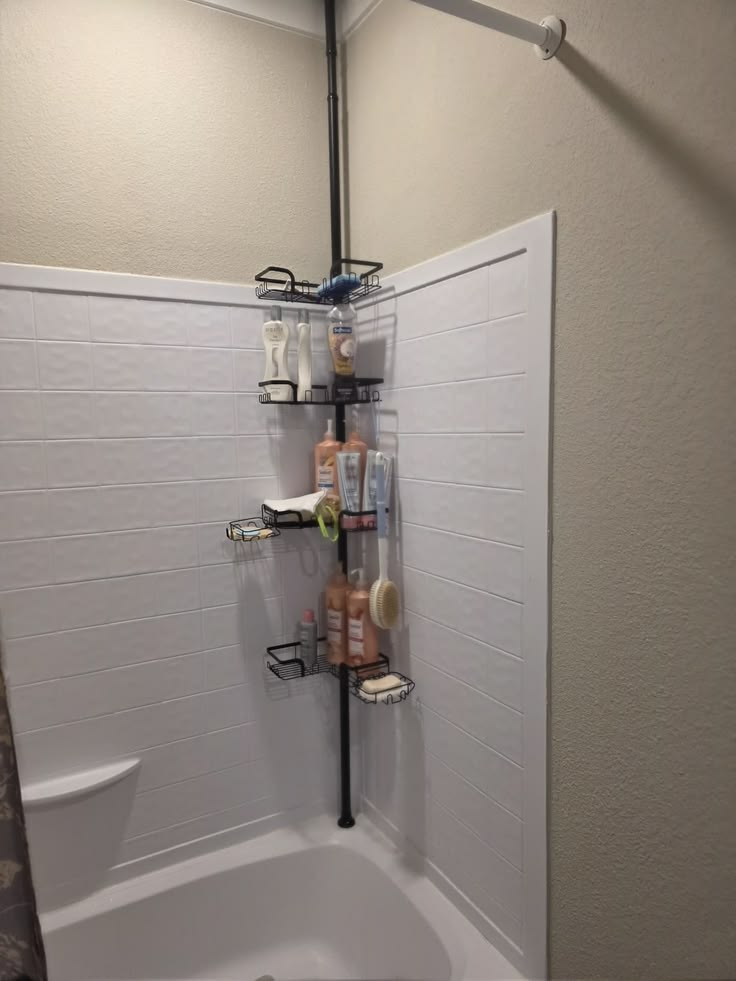
A caddy that wedges between the shower floor and ceiling gives you real shelf storage in a shower with no built-in niche, without drilling a single hole into tile — something most leases specifically prohibit.
It holds noticeably more than suction-cup alternatives and, unlike those, won’t suddenly fall mid-shower.
Pro tip: Check your ceiling height against the caddy’s expansion range before buying — some models max out around 7.5 feet, which is too short for a lot of older buildings with taller bathroom ceilings.
7. A tension rod under the sink for extra hanging storage
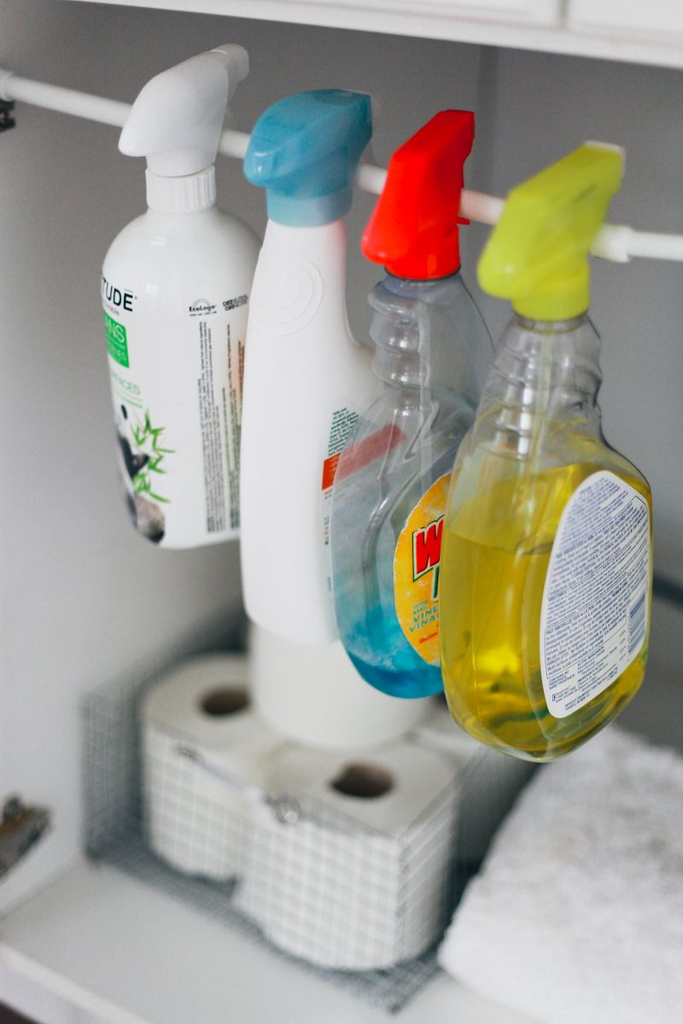
The same tension rod trick used in closets and kitchens works under a bathroom sink too, creating a second tier for spray bottles or cleaning supplies so they’re not just piled at the bottom of the cabinet.
8. A freestanding leaning ladder towel rack
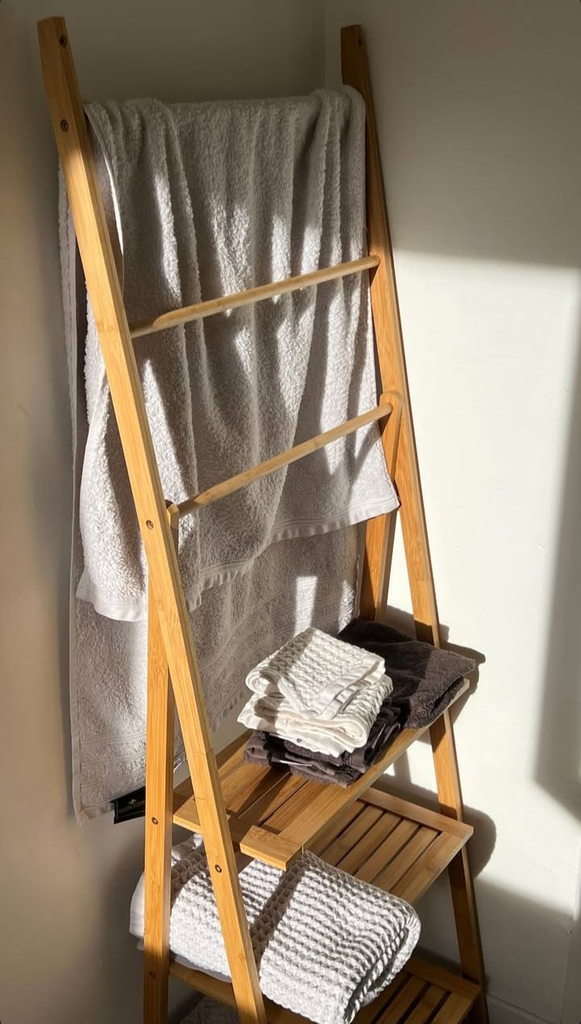
Rather than mounting a towel bar into tile or drywall, a leaning ladder-style rack rests against the wall on its own, giving you towel storage and a decorative element without a single hole.
It’s genuinely one of the more popular bathroom storage pieces on my own Pinterest board, with well over 12,000 saves on the specific pin I posted of mine.
9. Freestanding over-the-toilet storage
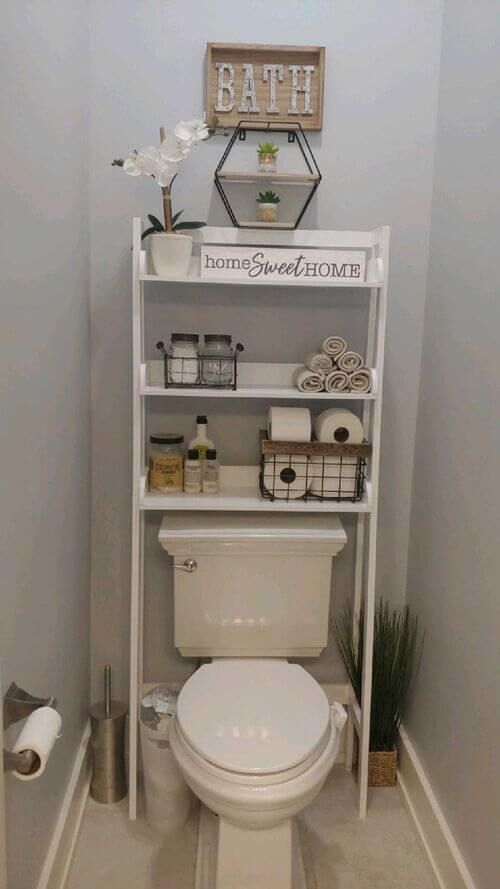
A shelving unit that straddles the toilet tank, resting on the floor on either side rather than mounting to the wall, adds real storage in a room that’s almost always short on it, especially in older apartments with small or no linen closets.
Pro tip: Measure the width between your toilet tank and the walls on either side before buying — over-the-toilet units vary more in base width than people expect, and a unit that’s an inch too wide simply won’t fit around your specific toilet.
10. Woven storage baskets on open shelving
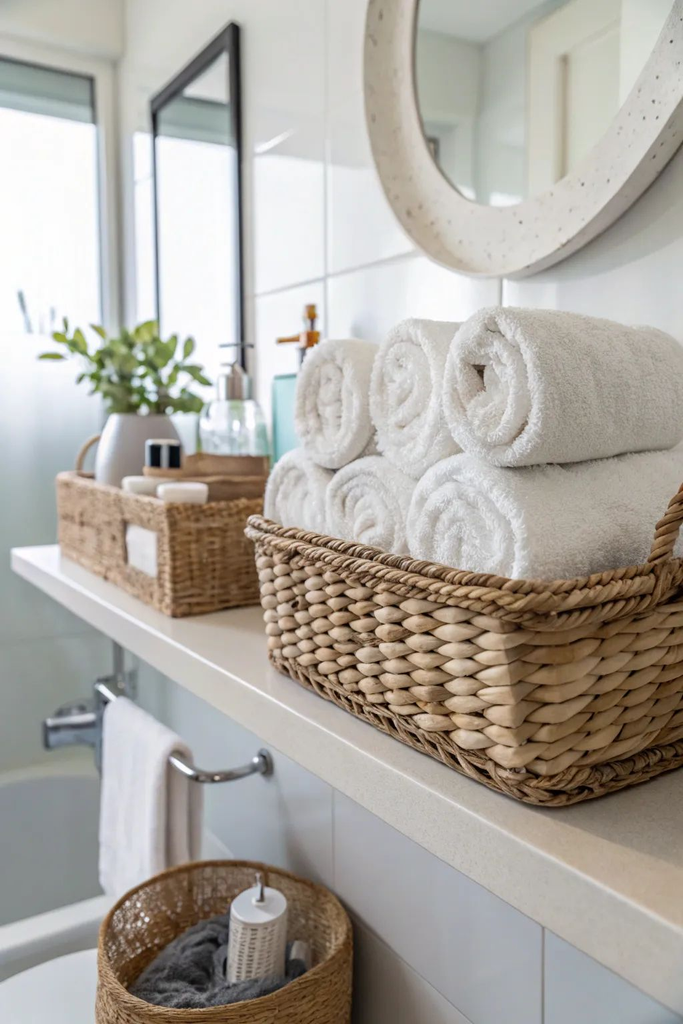
If your bathroom has any open shelving, woven baskets corral smaller items — hair tools, extra toiletries — into a tidier, more finished look than loose items sitting directly on a shelf, and they add texture that a purely functional shelf otherwise lacks.
11. An adhesive floating shelf rated for bathroom humidity
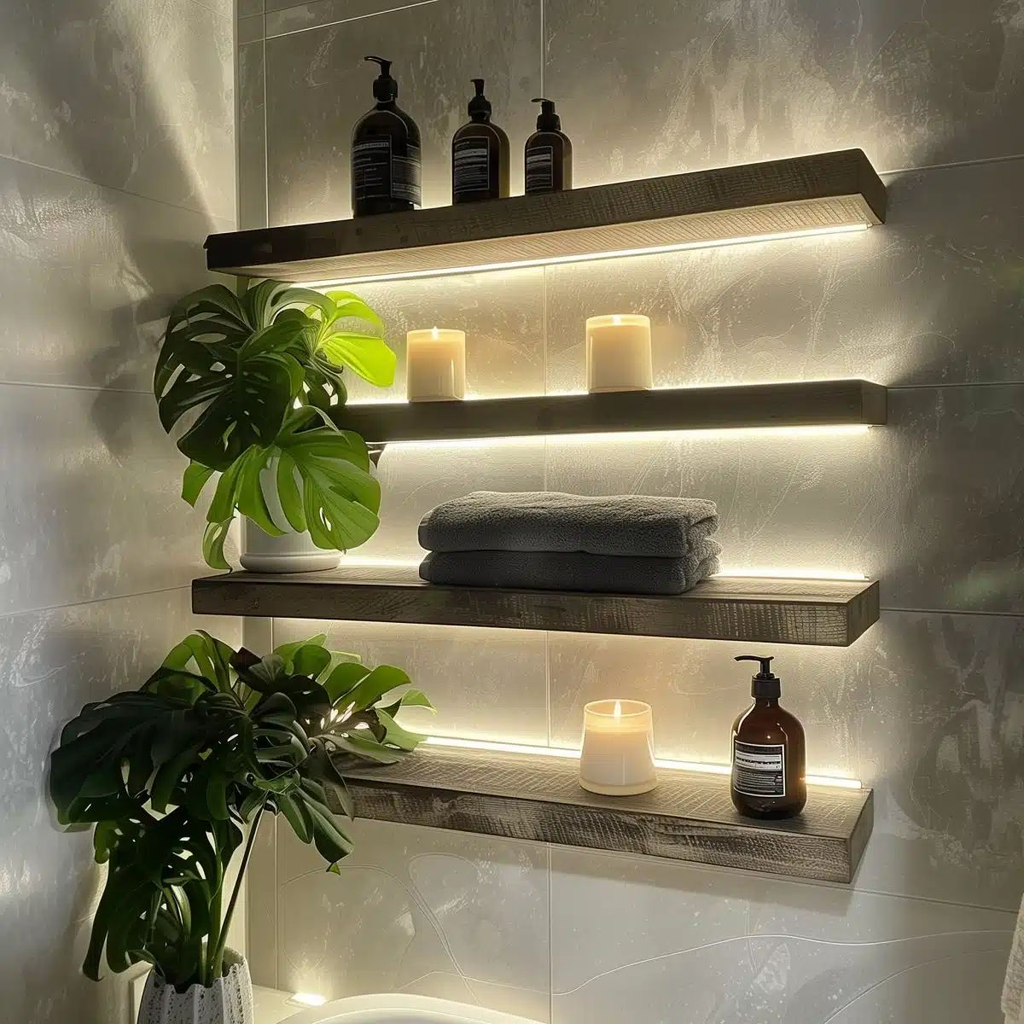
A small floating shelf using humidity-rated adhesive mounting hardware can hold lightweight items — a candle, a small plant, folded hand towels — without drilling, as long as you choose a mount specifically rated for the moisture level in a bathroom rather than a general-purpose adhesive hook.
Pro tip: Stay well under the listed weight rating, and expect it to be lower than the same product’s rating in a dry room — moisture genuinely does reduce adhesive hold strength over time, even with a humidity-rated product.
Lighting and Fixtures That Upgrade the Room Without Rewiring
12. A battery-powered LED strip around the mirror
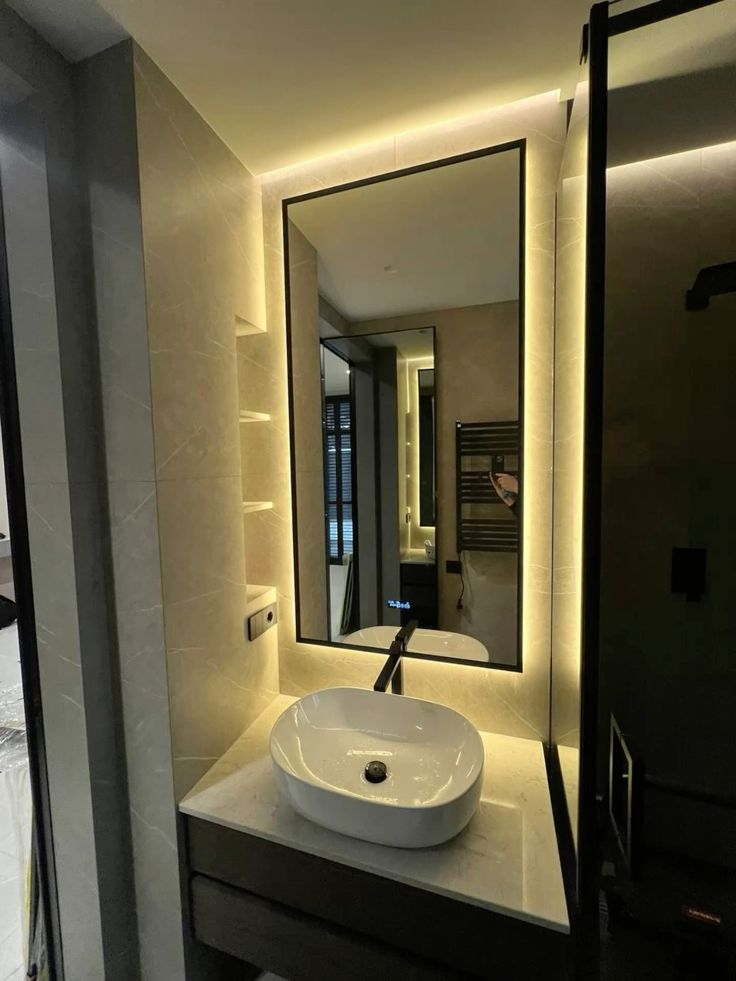
Adding warm LED lighting around the edge of your existing mirror creates a noticeably more flattering, brighter light for actually getting ready, without any electrical work.
Battery or USB-powered versions avoid the need for an outlet directly at mirror height, which a lot of older bathrooms don’t have.
13. A cabinet hardware swap on the vanity
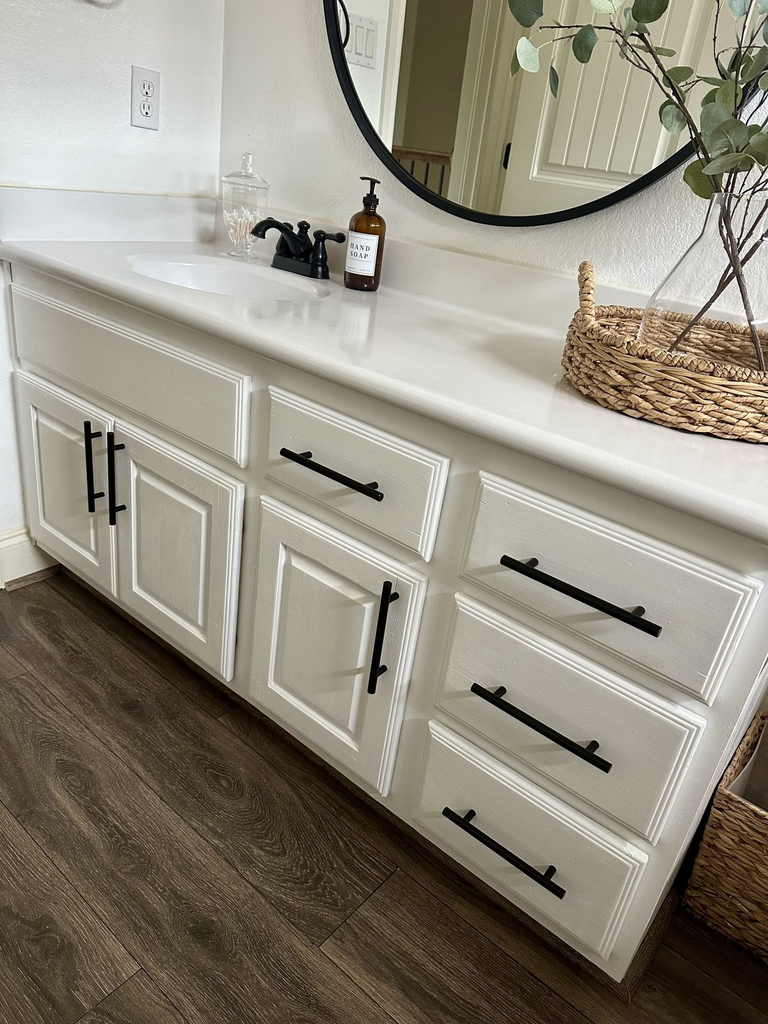
Just like in a kitchen, replacing vanity cabinet knobs and pulls with a style you actually like is a fast, fully reversible upgrade — keep the original hardware in a labeled bag, and the vanity goes right back to its original look at move-out.
14. An upgraded shower curtain and liner
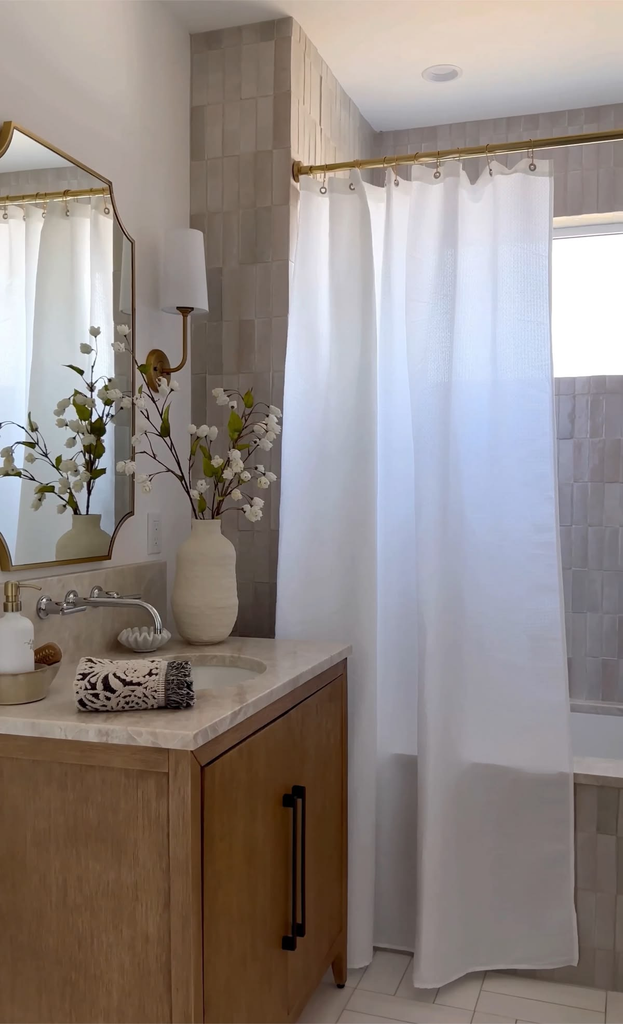
This sounds almost too simple to include, but a shower curtain is one of the largest visible surfaces in most bathrooms, and swapping a plain, worn one for something you actually like is one of the highest-impact, lowest-effort changes on this entire list.
A weighted or magnetic-hem liner is also worth the extra few dollars, since it keeps the curtain from clinging to you mid-shower, which is a genuinely underrated quality-of-life detail.
15. A stylish soap dispenser or pump
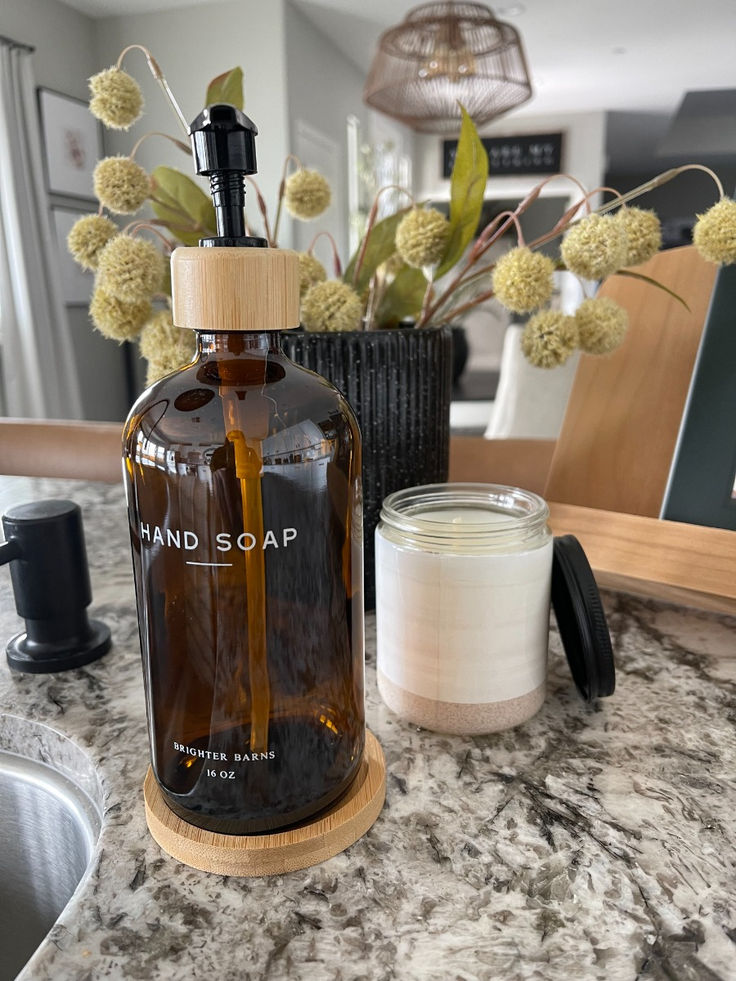
Swapping a plastic drugstore soap bottle for a refillable ceramic or glass pump is one of the cheapest, smallest upgrades on this list, but it’s also one of the first things people notice on a bathroom counter, since it’s usually sitting in plain sight.
Small Finishing Touches That Make the Room Feel Considered
16. Contact paper inside cabinets and drawers
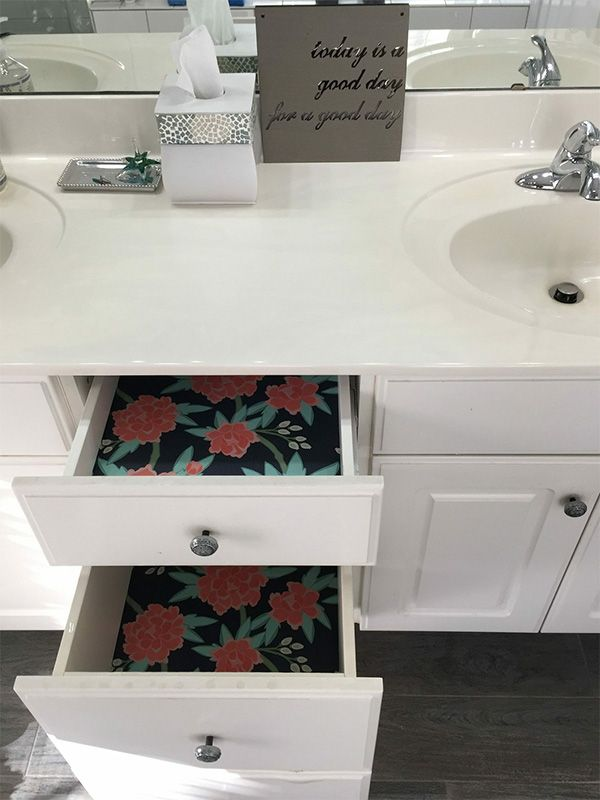
Lining vanity cabinet and drawer interiors with a pattern you like is a purely internal upgrade — completely invisible from outside the cabinet, but genuinely satisfying every time you open a drawer, and it protects the original shelf surface from any water rings or product spills in the process.
17. A patterned, non-slip bath mat
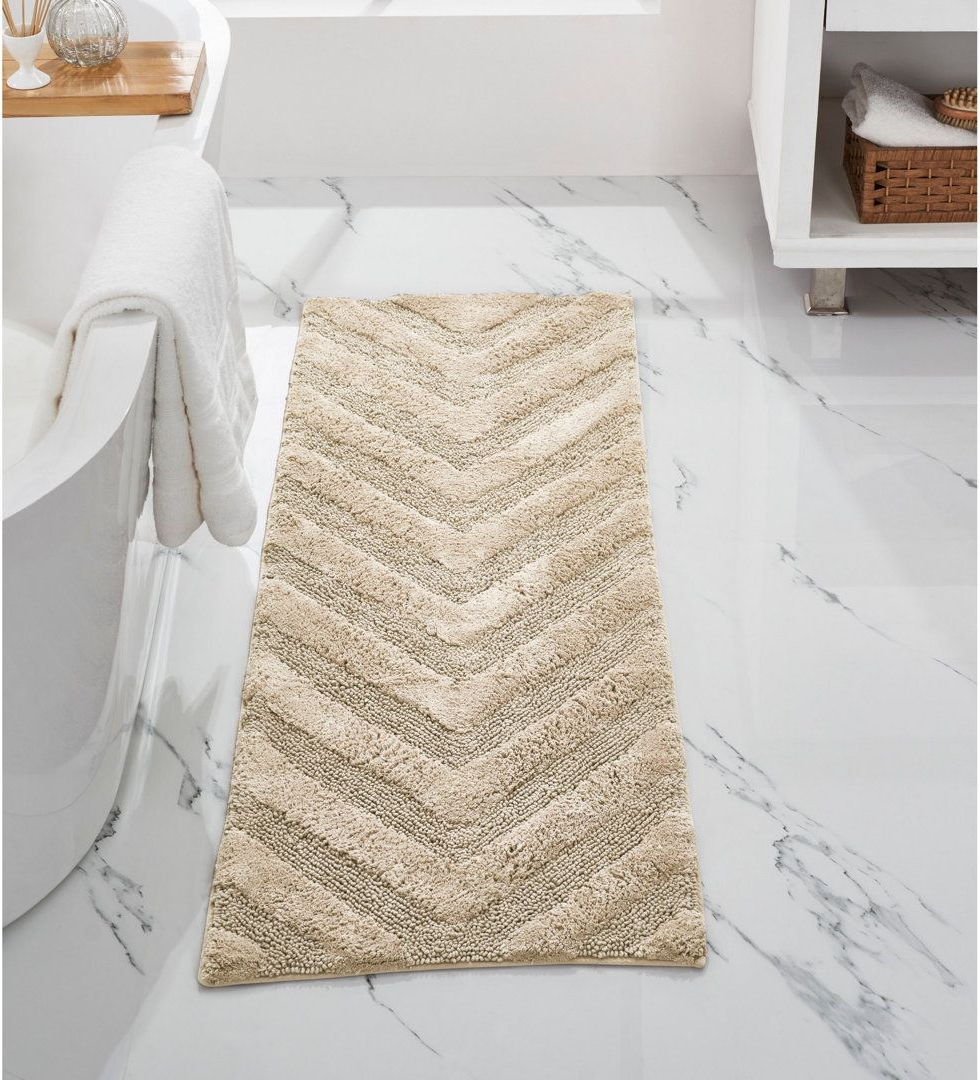
Beyond the safety function, a bath mat is one of the largest blocks of color and pattern in most bathrooms, and it’s one of the easiest, cheapest swaps to make an immediate visual difference the moment you walk in.
18. Low-light-tolerant real plants or high-quality faux plants
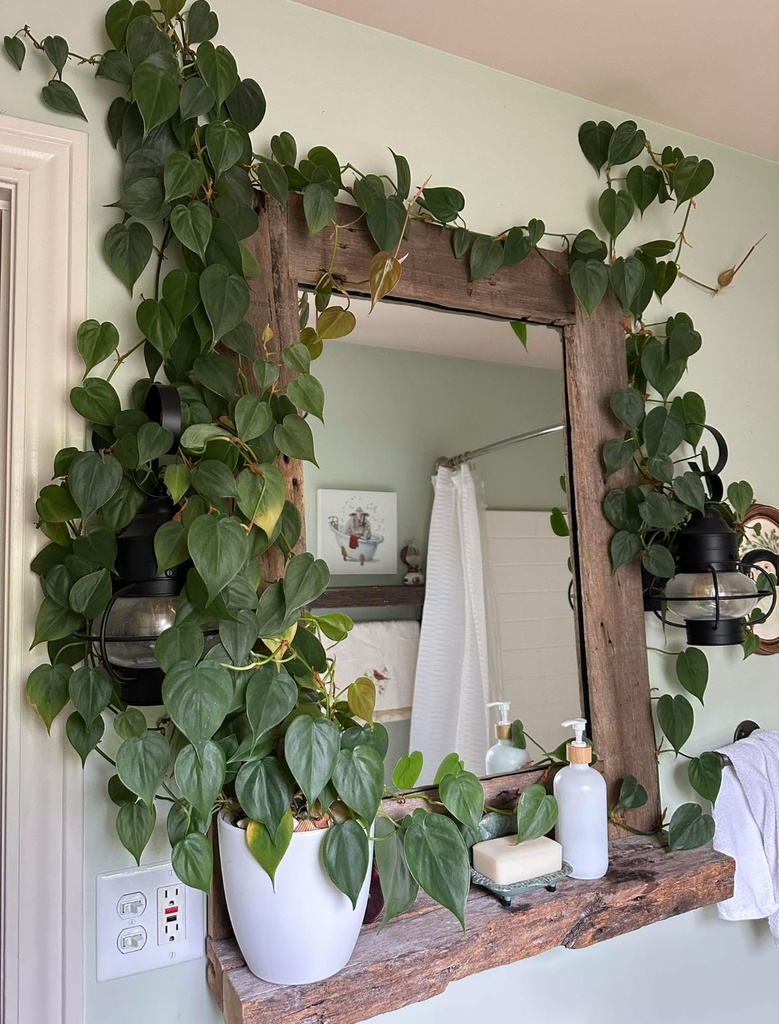
A plant on a shelf or windowsill adds life to a room that’s otherwise mostly hard surfaces, and bathrooms with any natural light are actually a decent environment for humidity-loving plants like pothos or ferns, since they benefit from the steam that would otherwise just be wasted humidity.
Pro tip: If your bathroom has no window at all, skip real plants and invest in a genuinely good-quality faux version instead — even humidity-tolerant real plants need some light to survive, and a dying plant in a windowless bathroom does the opposite of the decor upgrade you’re going for.
19. A magnetic strip for small metal tools
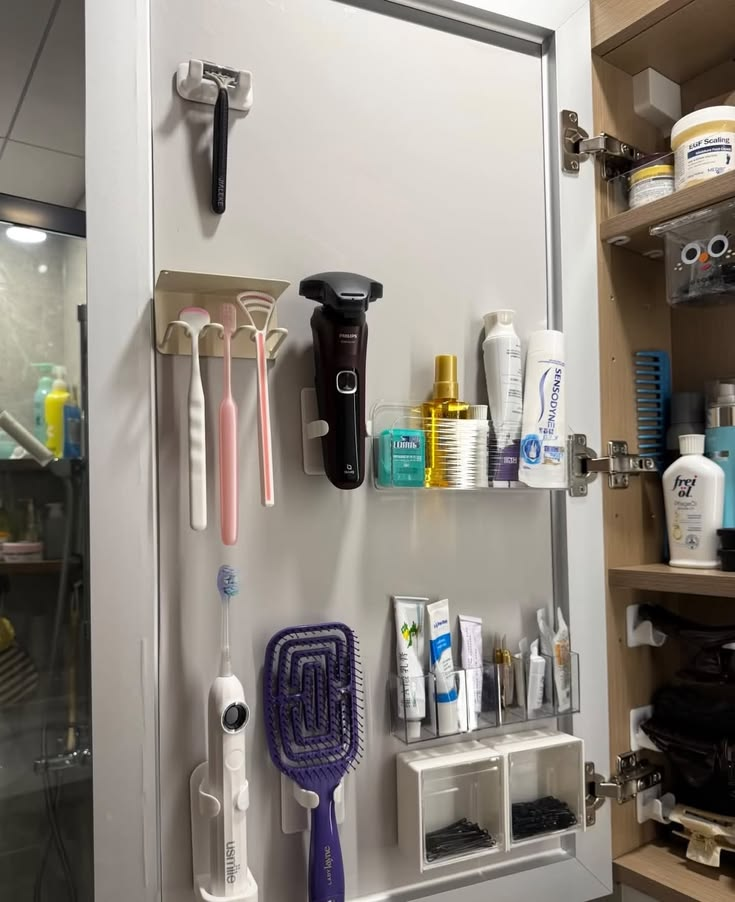
A small magnetic strip, mounted with humidity-rated adhesive rather than screws, gives you a spot for tweezers, nail clippers, and other small metal grooming tools that otherwise end up loose in a drawer or scattered across the counter.
20. A scented candle or diffuser display
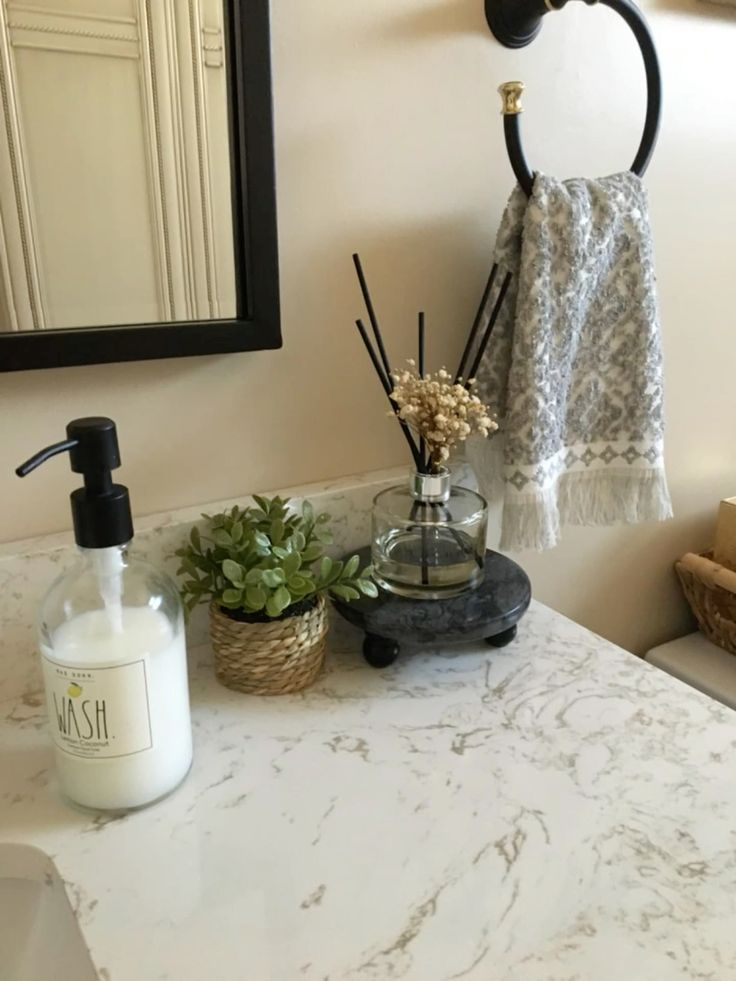
A small tray with a candle or reed diffuser is a simple styling detail that also solves the practical bathroom-scent problem, and it’s an easy seasonal swap if you like rotating your decor throughout the year without any real investment.
21. Waterproof-framed art using humidity-rated adhesive hooks
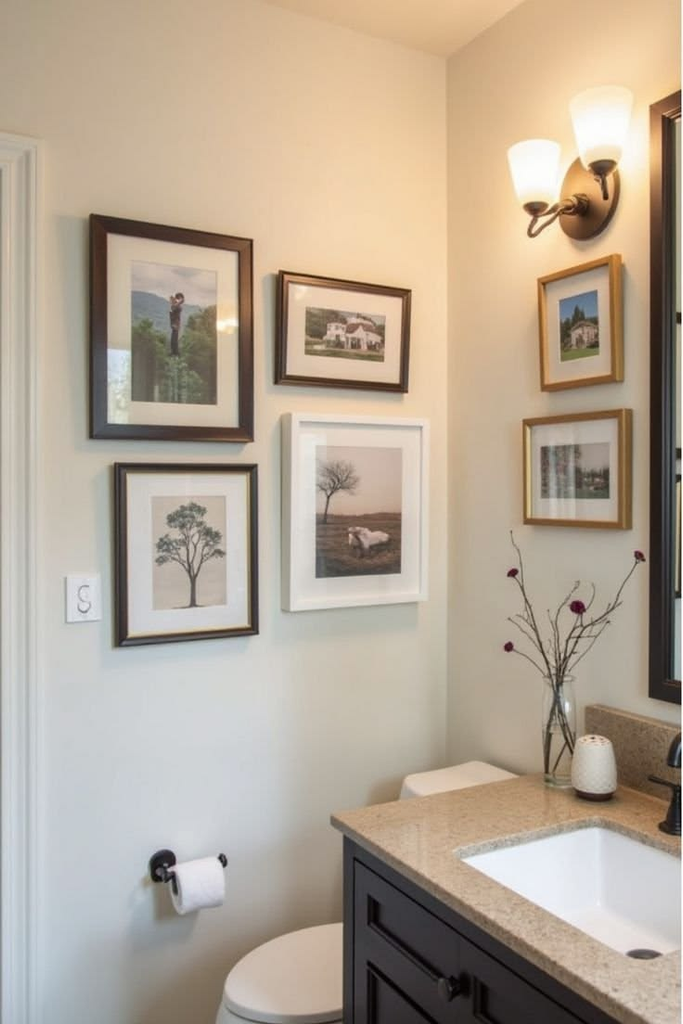
Small framed prints, hung using adhesive hooks rated for bathroom humidity rather than standard picture hooks, add a genuinely personal touch to a room that’s often the most generic in an apartment.
Look for frames with a sealed or acrylic front rather than glass, both for safety near a shower and because acrylic handles ambient bathroom moisture better over time than glass-backed prints with paper matting.
What I’d Do First in a New Rental Bathroom
If I moved into a new bathroom tomorrow and could only tackle three things, I’d start with the shower curtain swap, since it’s the cheapest, fastest change with the most visible impact, followed by the leaning towel ladder for real storage, and then the mirror frame overlay, since that fixed the exact “why does this room look neglected” feeling I lived with for a year longer than I needed to.
The bigger lesson from my foggy-mirror year is that a bathroom’s “landlord grade” fixtures are almost always more fixable than they look.
Almost nothing on this list requires the landlord’s permission at all, because none of it touches the actual fixtures underneath — it just sits on top of them until you decide to take it with you.


Leave a Reply