
I asked my landlord about painting one wall in my living room a deep terracotta, and he said yes, technically, as long as I repainted it back to the exact original white before move-out at my own cost — which, when I actually priced out primer, paint, and my own time, made the “yes” feel a lot more like a “no.”
That’s the exact moment I started actually researching accent wall ideas that don’t involve paint at all, and it turns out that category is a lot bigger and more interesting than I expected going in.
A rental-friendly accent wall isn’t really a consolation prize for not being allowed to paint, even though that’s how it gets framed a lot of the time. Peel-and-stick materials, fabric, dimensional panels, and clever display arrangements can genuinely do more visually than a single flat coat of paint would have, and every single one of them comes off clean or at least reversible at move-out, which paint almost never does without a repaint. That’s the actual advantage, not just the workaround.
I’m grouping these 23 ideas by technique — peel-and-stick surface treatments, fabric and textile accents, dimensional and 3D options, display-based accents, and a few functional-meets-decorative picks — because most of these fall into a genuinely reusable category of skill, and once you’ve tried one peel-and-stick project, the next one is a lot less intimidating.
Peel-and-Stick Surface Treatments: The Closest Thing to Actual Paint
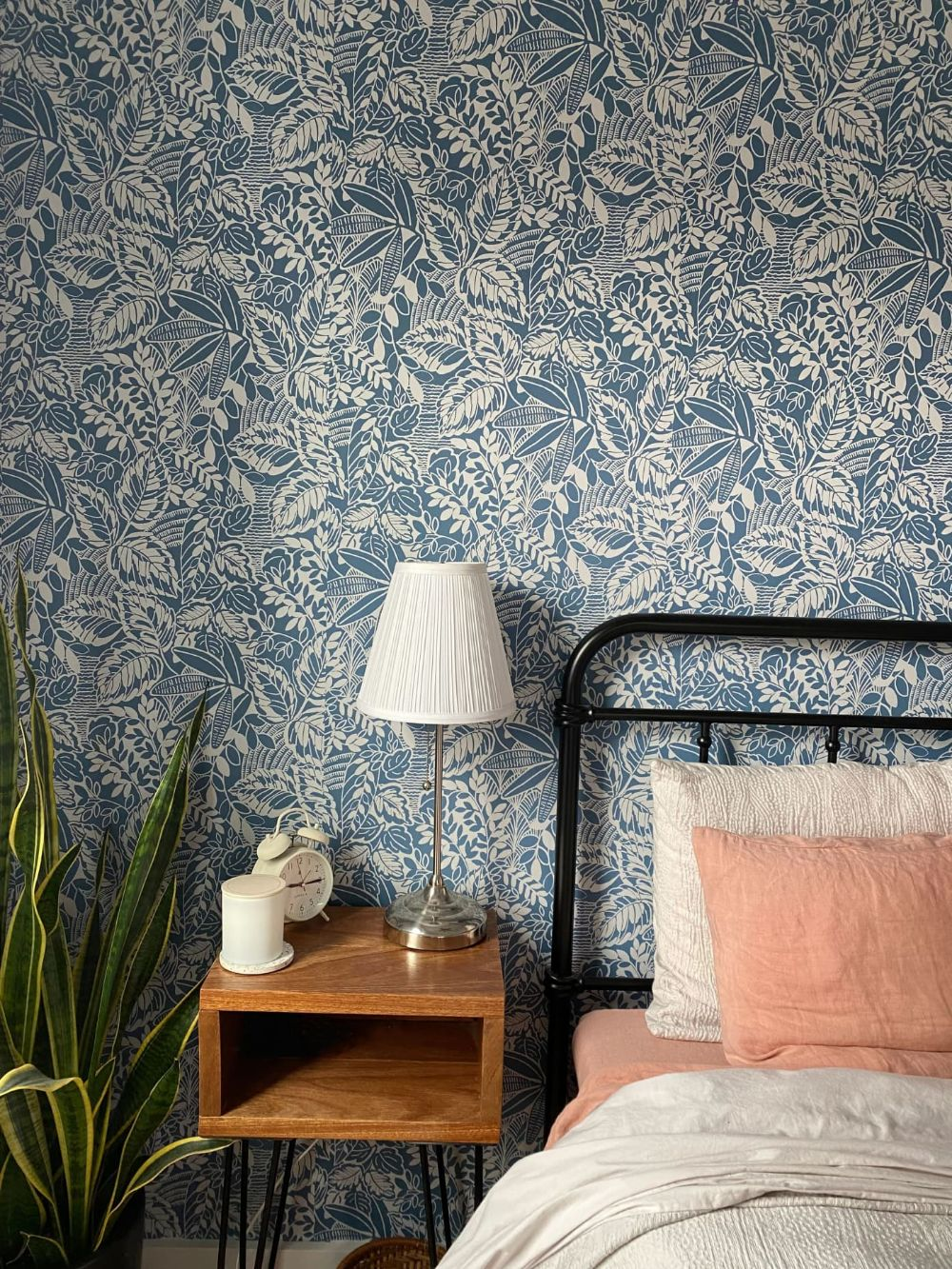
1. Removable peel-and-stick wallpaper
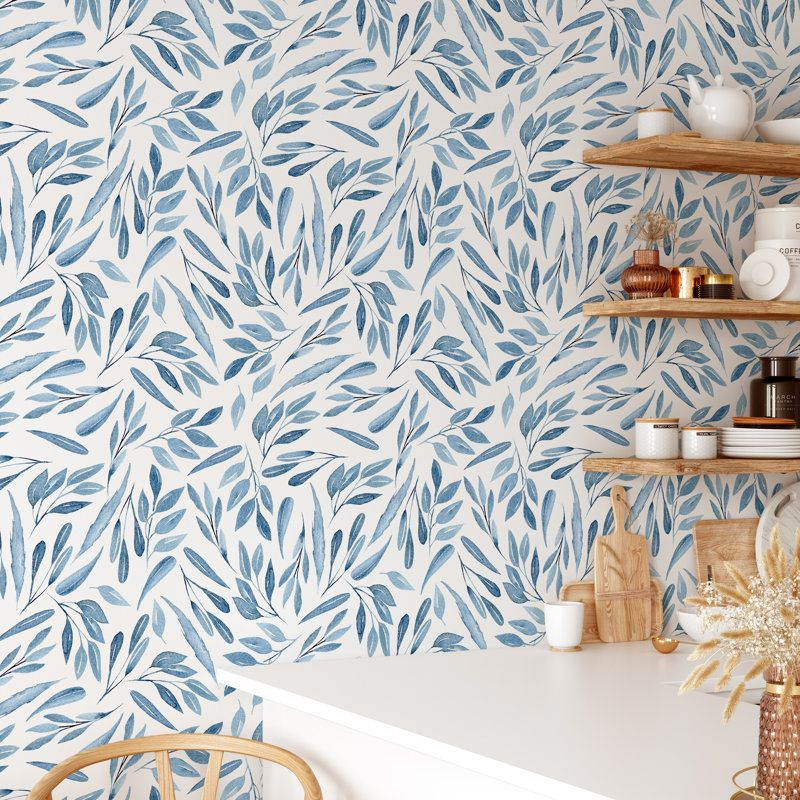
This is the most direct paint replacement on the entire list, and it’s the first thing I tried after giving up on the terracotta plan. A full sheet of peel-and-stick wallpaper applied to one wall gives you real color and pattern, and a good-quality version genuinely reads as intentional rather than “temporary” once it’s up.
It peels off clean at move-out if you follow the application instructions and don’t rush the process.
The trade-off is that application has a real learning curve — air bubbles and slightly crooked seams happen on a first attempt, and it’s genuinely harder on a large wall than the tutorial videos make it look.
Pro tip: Practice on the inside of a closet door or a small hidden panel before attempting your actual accent wall — the muscle memory for smoothing out bubbles and lining up seams is worth building somewhere a mistake won’t be visible to guests.
2. Textured peel-and-stick wallpaper (grasscloth or fabric-look)
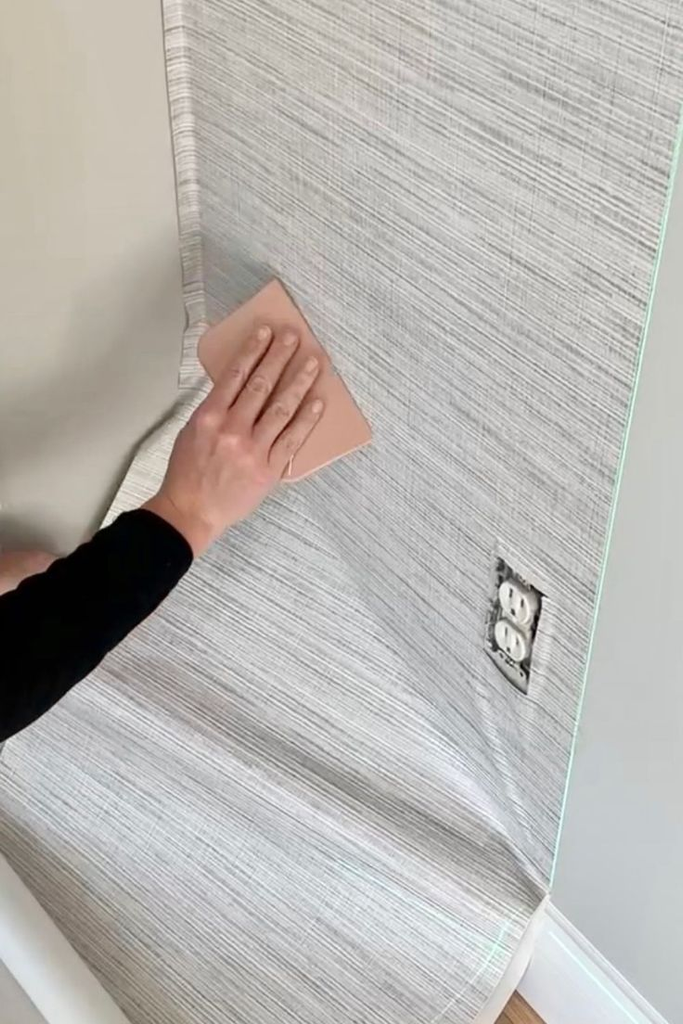
Beyond flat printed patterns, textured peel-and-stick options mimicking grasscloth, linen, or woven fabric add real dimension you can actually feel, which reads as more sophisticated and less obviously “removable” than a flat printed pattern does.
It’s a good pick for a bedroom or living room wall where you want a subtler, more tactile statement than a bold print.
3. Peel-and-stick faux brick panels
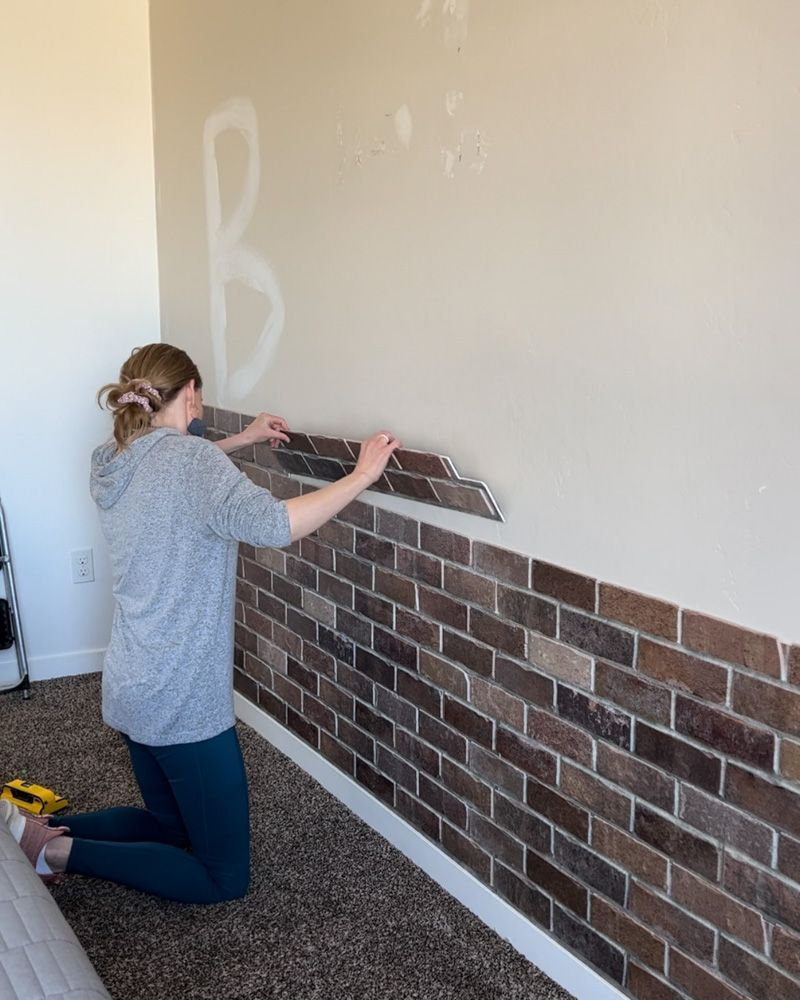
Foam-backed, adhesive faux brick panels give a wall real dimensional texture and a completely different material feel than paper-based wallpaper, and they’re specifically popular for kitchen or living room accent walls going for an industrial or exposed-brick look.
Unlike real brick, these panels weigh almost nothing, which matters both for the adhesive holding up long-term and for how easy the removal process is.
Pro tip: Buy one extra panel beyond your exact measured need — faux brick panels typically interlock in a specific pattern, and having a spare panel saves you from an awkward cut-and-patch situation at the edge of the wall where a full panel doesn’t fit.
4. Peel-and-stick wood plank panels
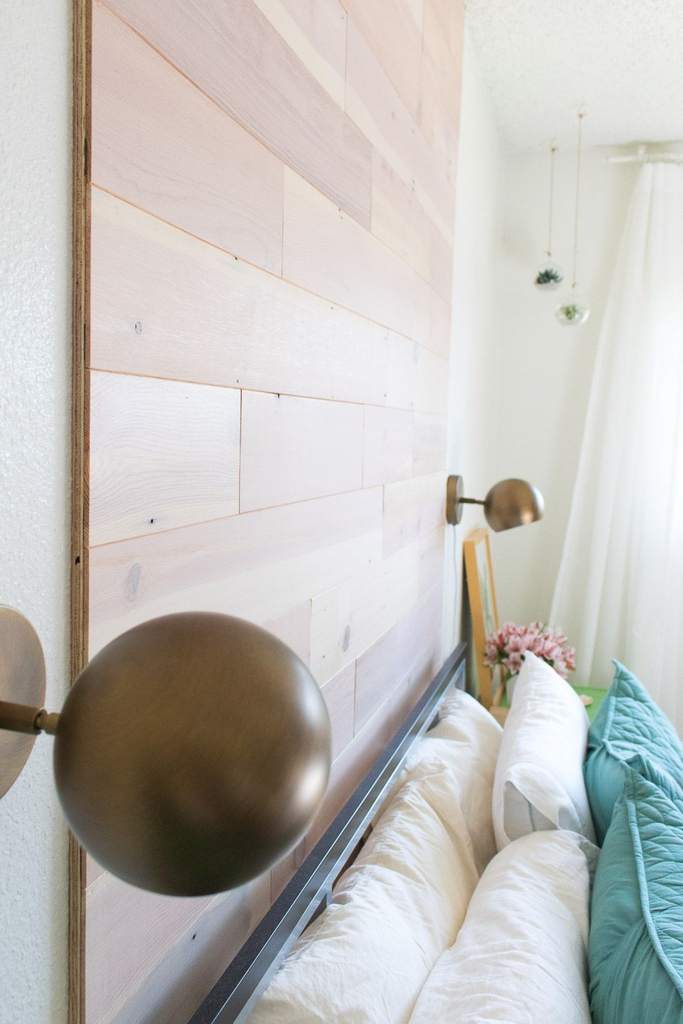
Similar to the brick option, adhesive wood-look panels add a warm, natural material feel to a wall without any actual wood installation, nails, or specialized tools.
This works particularly well on a single wall behind a bed or a media console, where the material change alone creates the focal point without needing an additional pattern or color.
5. Peel-and-stick cork tiles
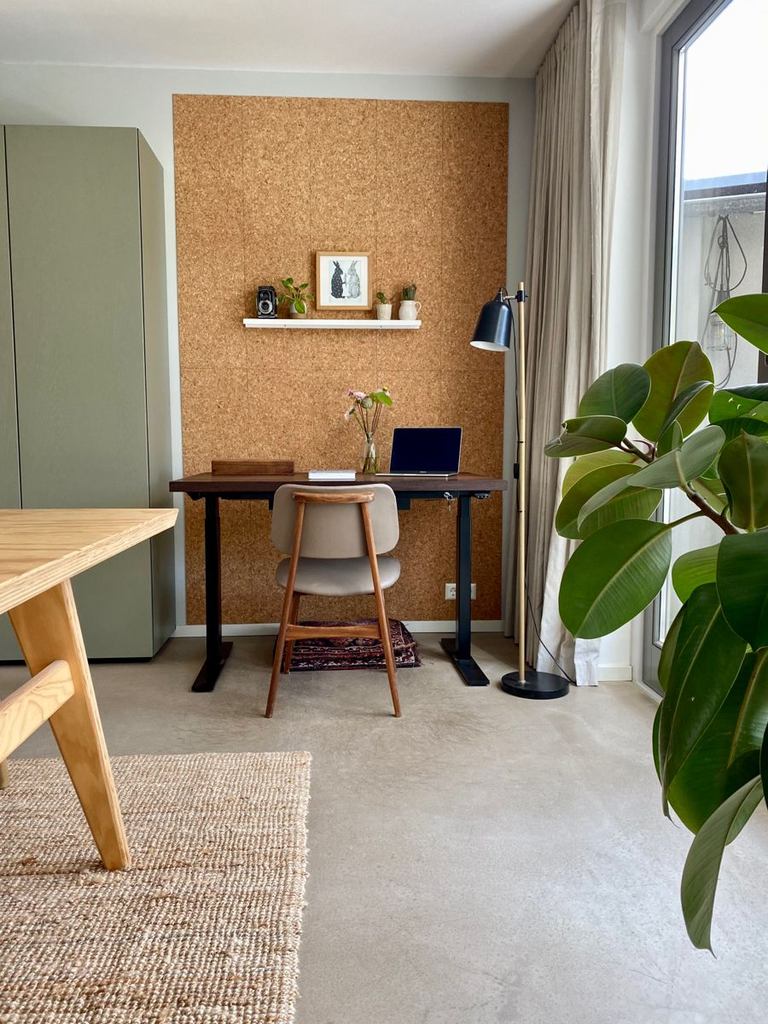
Beyond their obvious functional use as a pinboard surface, cork tiles applied edge to edge across a wall section create a genuinely interesting textured accent even in spots where you’re not using them to pin anything, and the natural material tone works well as a warmer alternative to the more common gray or white accent wall trends.
Fabric and Textile Accents That Add Warmth and Texture
6. A large tapestry as a full-wall accent
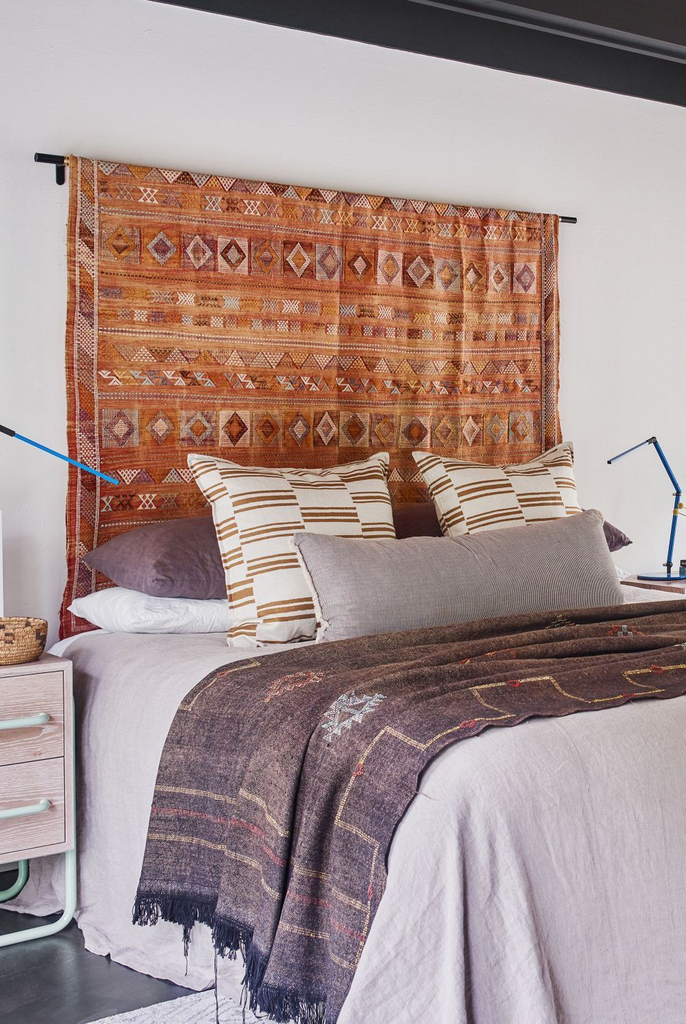
A single oversized tapestry can cover an entire accent wall for less money and effort than most peel-and-stick options, hung with a few small removable hooks along the top edge.
This is the fastest option on the entire list if you want a finished-looking accent wall in under 20 minutes.
Pro tip: Steam or lightly iron a tapestry before hanging it, on a low, fabric-safe setting — most tapestries arrive from shipping with deep fold creases that don’t fall out on their own once hung, and a few minutes of steaming makes a noticeably more polished final look.
7. Fabric stretched over a frame, mounted with removable hooks
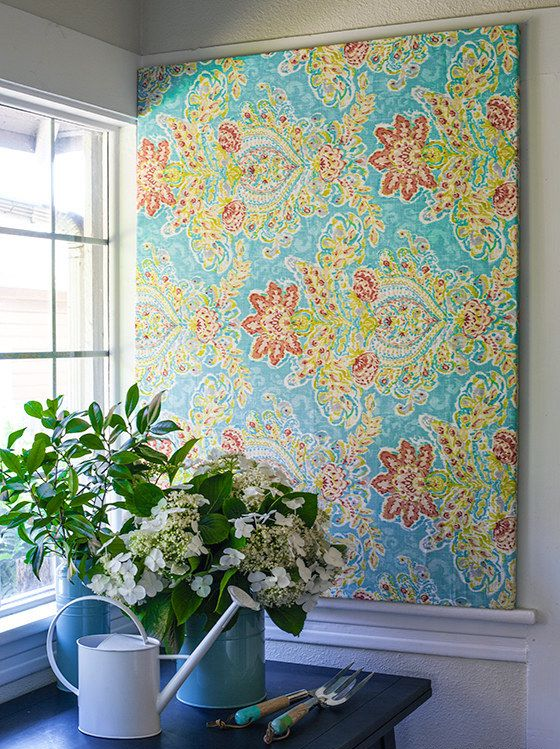
Rather than hanging fabric loosely, stretching it tightly over a simple frame (even a repurposed canvas stretcher or foam board) and hanging that as a single unit gives a more structured, gallery-like look than a draped tapestry, while still being completely removable since the frame itself is what’s actually touching the wall.
8. Fabric-wrapped foam board panels in a grid
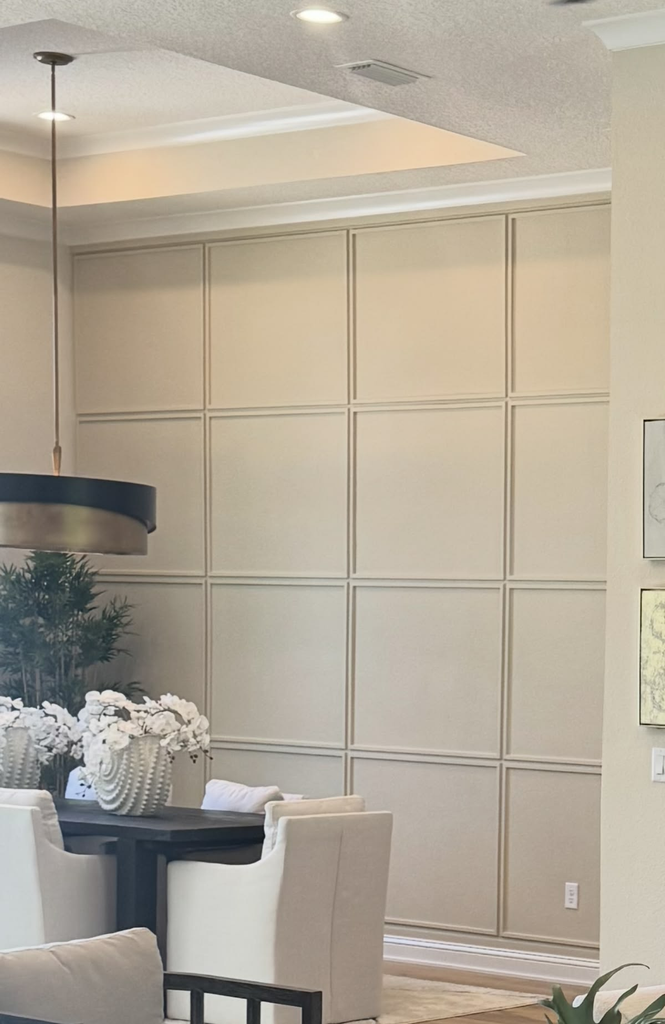
A set of smaller fabric-wrapped panels, arranged in a grid pattern across a wall using removable hooks, lets you mix multiple fabric patterns or colors in a single accent wall, rather than committing to one fabric across the whole space.
This is a good option if you’re drawn to more than one pattern and don’t want to choose just one for the entire wall.
9. A curtain or drape used as a soft “wall” divider accent
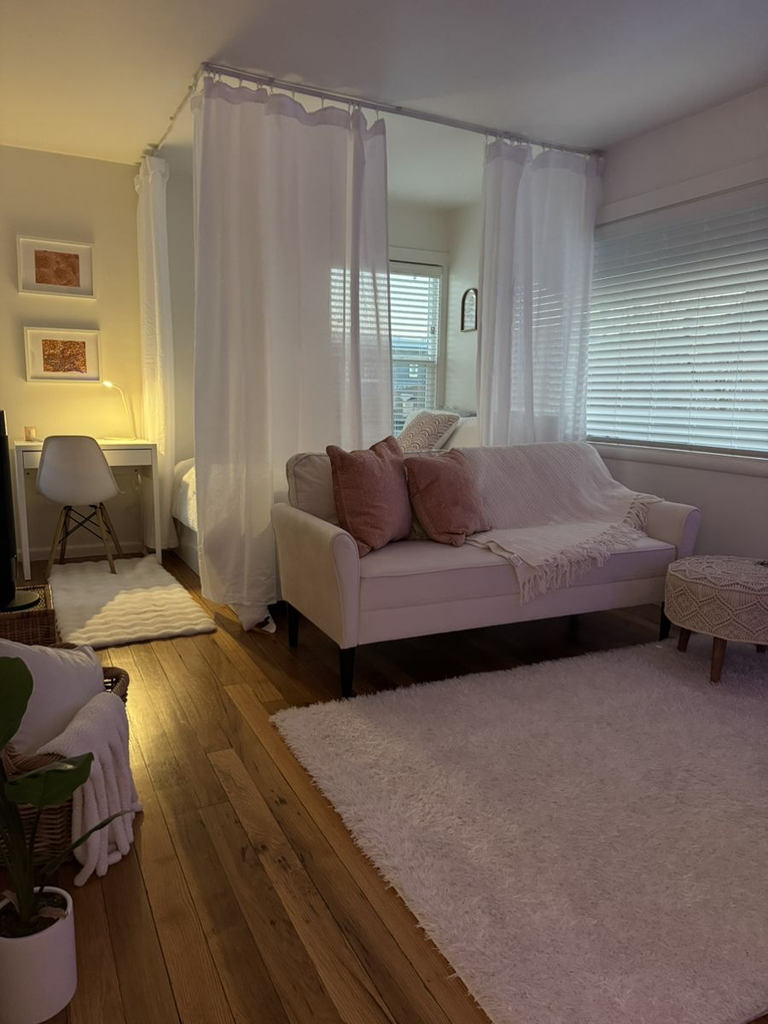
Hanging a floor-to-ceiling curtain along a wall, even one that isn’t covering a window, adds texture and a sense of intentional design, and it can double as an actual room divider if you’re using it to separate a studio into zones.
This is one of the few ideas on this list that serves a genuine functional purpose beyond decoration.
| Accent Wall Method | Cost Range | Setup Effort | Best For |
|---|---|---|---|
| Peel-and-stick wallpaper | $20-$60 per roll | Moderate — real technique needed | Bold pattern, most paint-like result |
| Tapestry | $20-$50 | Very low — hang and done | Fast, low-effort statement wall |
| Faux brick/wood panels | $30-$80 for a wall section | Moderate — measuring and cutting | Textural, material-based accent |
| Vinyl decals | $15-$40 | Low to moderate | Graphic shapes, quotes, patterns |
| Washi tape design | $10-$25 | Low, but time-intensive to apply | Geometric patterns, budget option |
Pro tip: If you’re mixing a fabric accent with other decor on the same wall, hang the fabric slightly loose rather than perfectly taut — a small amount of natural drape reads as more intentional and less like a flat poster than fabric pulled completely rigid.
Dimensional and 3D Accents for Real Depth
10. Adhesive 3D geometric wall panels
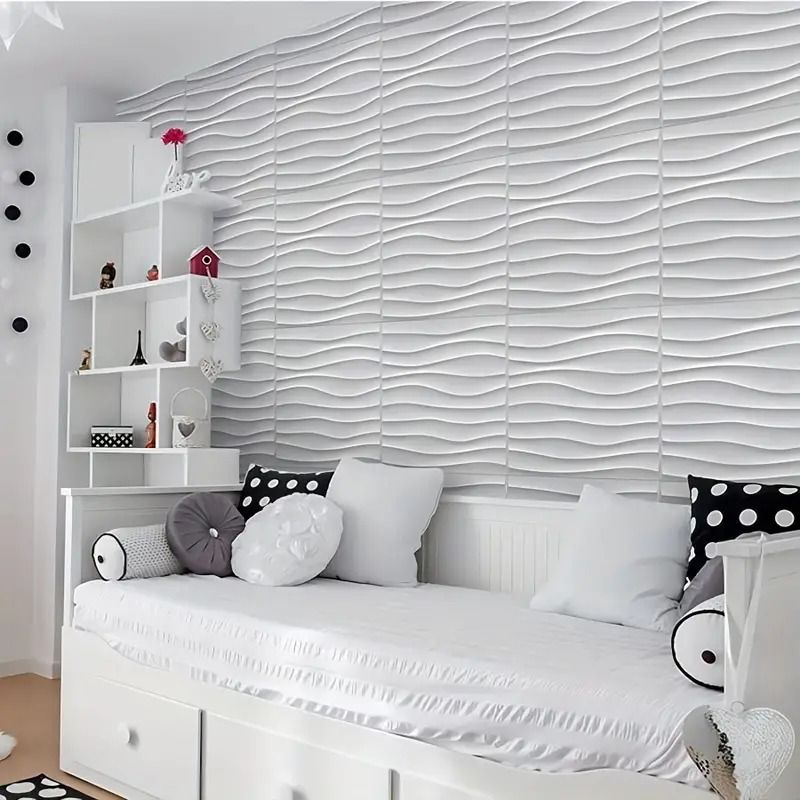
Foam or PVC panels in raised geometric shapes, applied with strong adhesive backing, create real shadow and dimension on a wall that flat wallpaper or paint simply can’t replicate.
These work especially well under directional lighting, like a floor lamp angled toward the wall, since the shadows the raised pattern casts become part of the visual effect.
Pro tip: Dry-fit your entire panel layout on the floor first, using painter’s tape to mark the wall boundaries, before committing any adhesive — these panels are far more forgiving to rearrange on the floor than once they’re stuck to drywall.
11. Removable adhesive molding or trim in a grid pattern
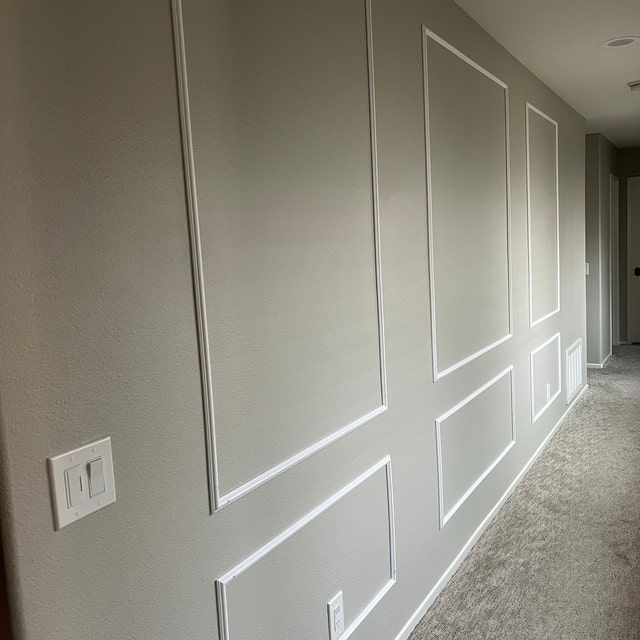
Lightweight adhesive trim strips, arranged in a grid or geometric pattern, mimic the look of wainscoting or paneled walls without any nails, glue guns, or actual carpentry.
This gives a wall real architectural interest that reads as a much bigger renovation than it actually is.
12. A leaning ladder shelf with draped textiles
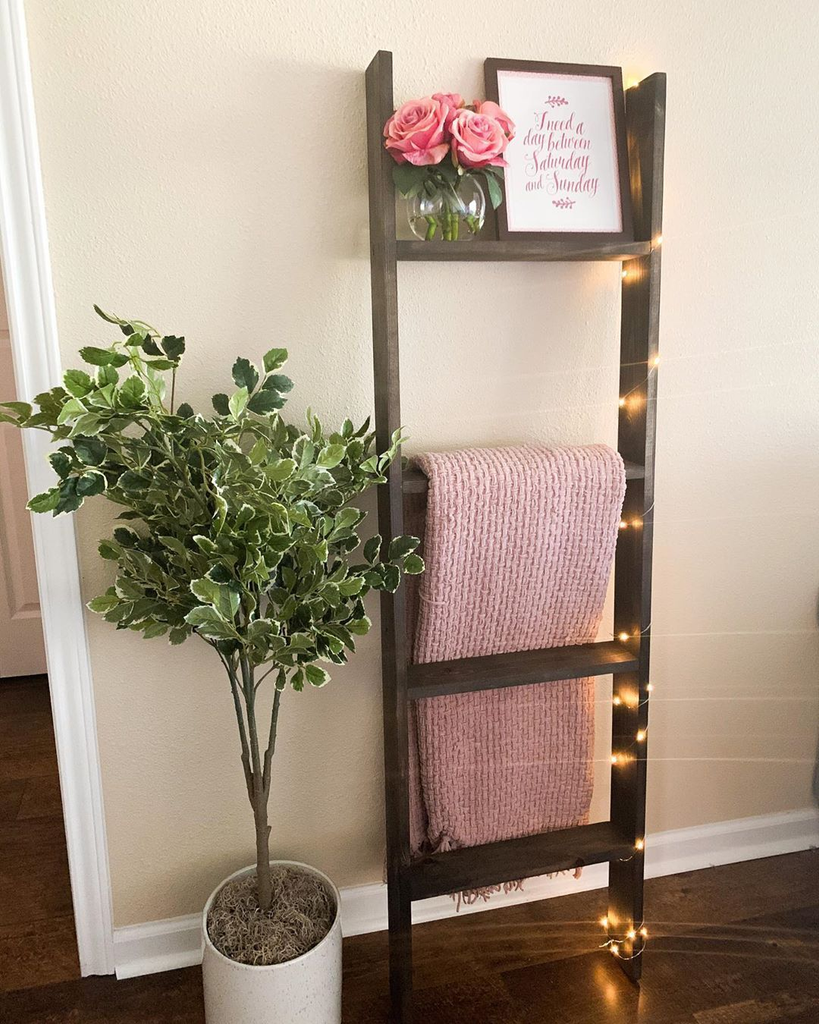
A decorative ladder, leaned against the wall rather than mounted, gives you a spot to drape blankets, hang small items, or display textiles in layers, creating dimension and a lived-in, styled look without a single hole in the wall.
It’s also genuinely functional as extra storage for throws or towels depending on the room.
13. A pegboard panel, freestanding or leaned, not drilled
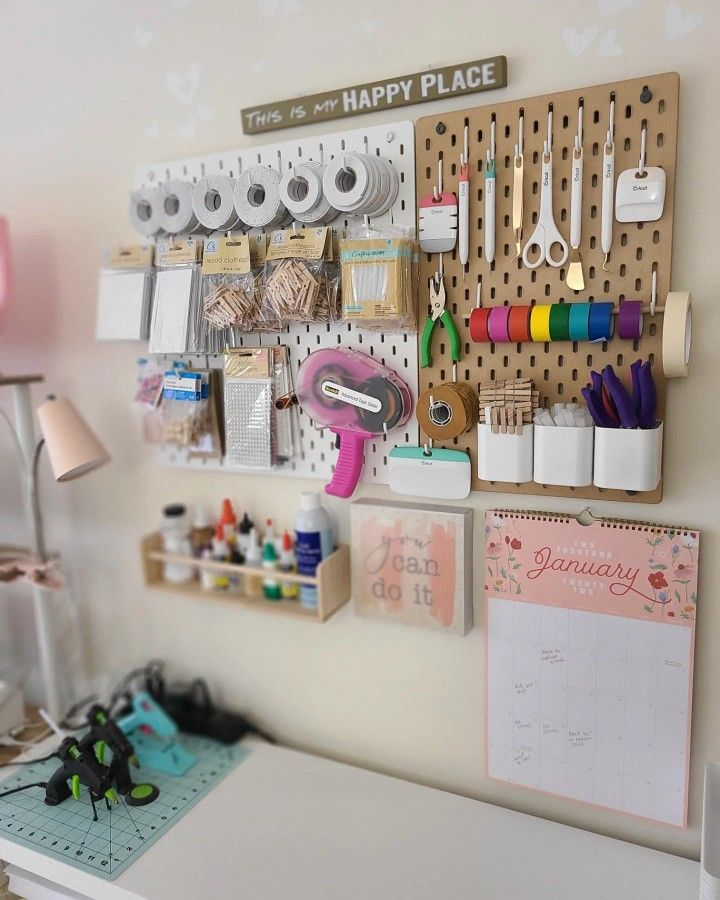
A pegboard mounted onto its own simple frame, then leaned against the wall rather than screwed directly into it, gives you a fully customizable, rearrangeable display and storage wall that’s completely portable between apartments.
This is a favorite for a home office or craft corner specifically, since the pegboard hooks can hold actual tools or supplies, not just decorative items.
14. A cluster of small dimensional mirrors
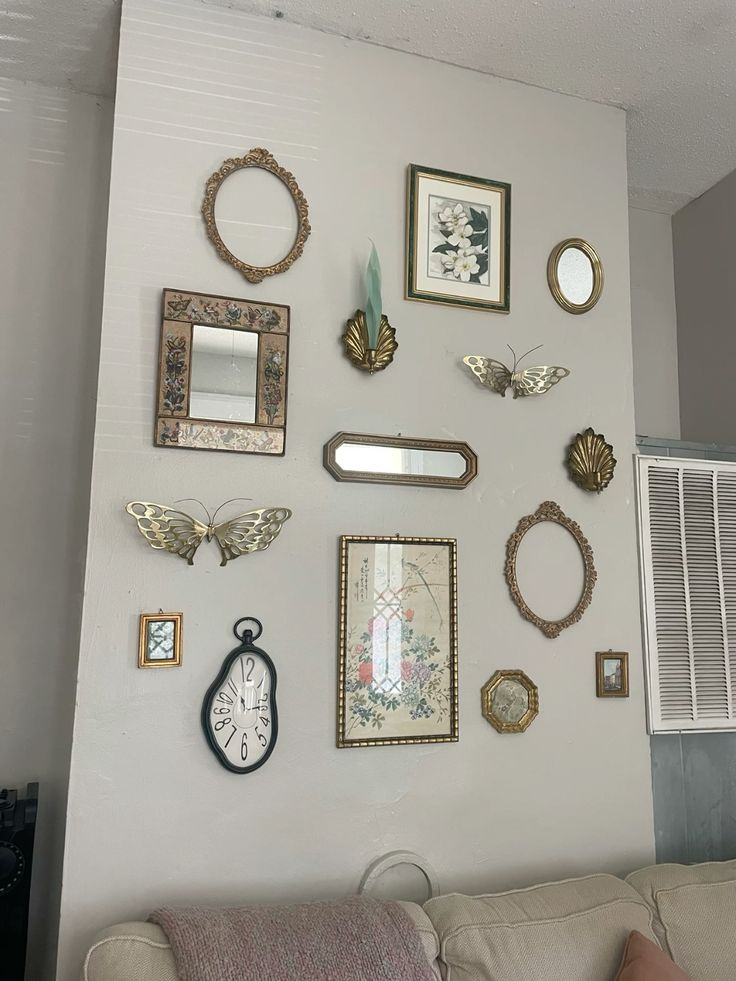
A grouped arrangement of small mirrors in varying shapes and depths adds genuine three-dimensional interest to a wall while also bouncing light around the room, which is doubly useful on an accent wall that doesn’t get much natural light of its own.
Display-Based Accents: Letting Your Stuff Do the Work
15. A large-format gallery wall grid
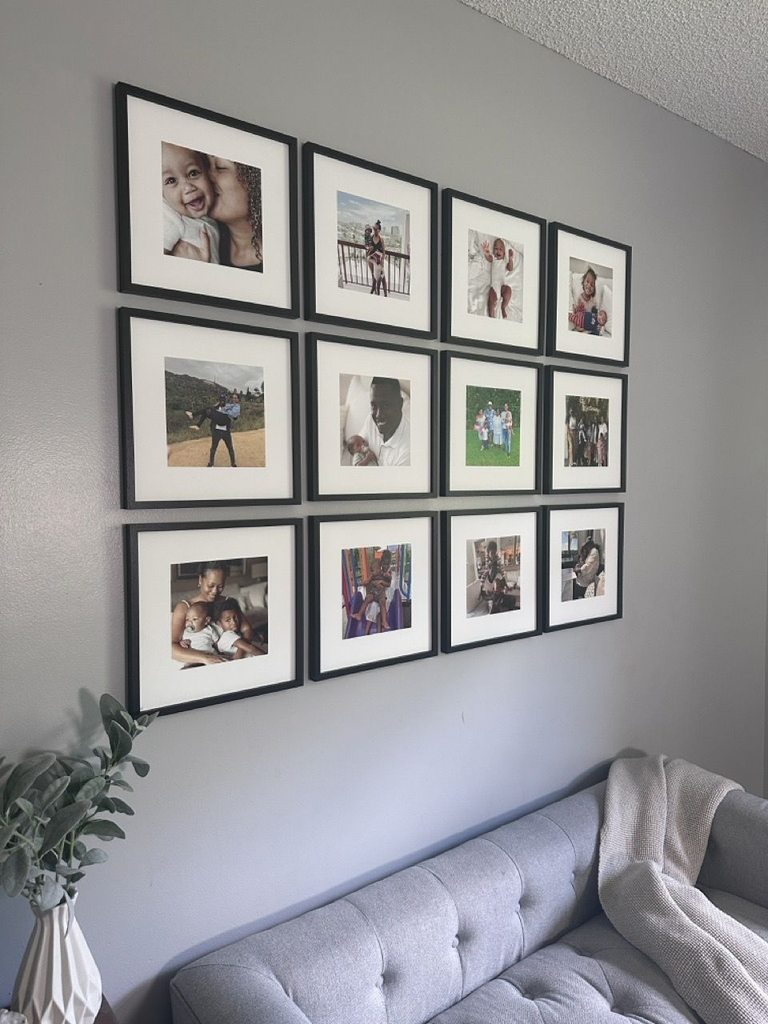
A tightly arranged grid of framed prints, photos, or art pieces, all roughly matching in frame style or color, creates a bold accent wall using content you likely already own or can source affordably, rather than a single big-ticket purchase.
The tight grid arrangement is what makes it read as an intentional accent wall rather than just “some frames on a wall.”
Pro tip: Lay out your entire gallery arrangement on the floor first and take a photo from above before hanging a single piece — it’s much easier to adjust spacing and balance on the floor than to keep re-hanging and patching small holes as you go.
16. A single oversized statement print or poster
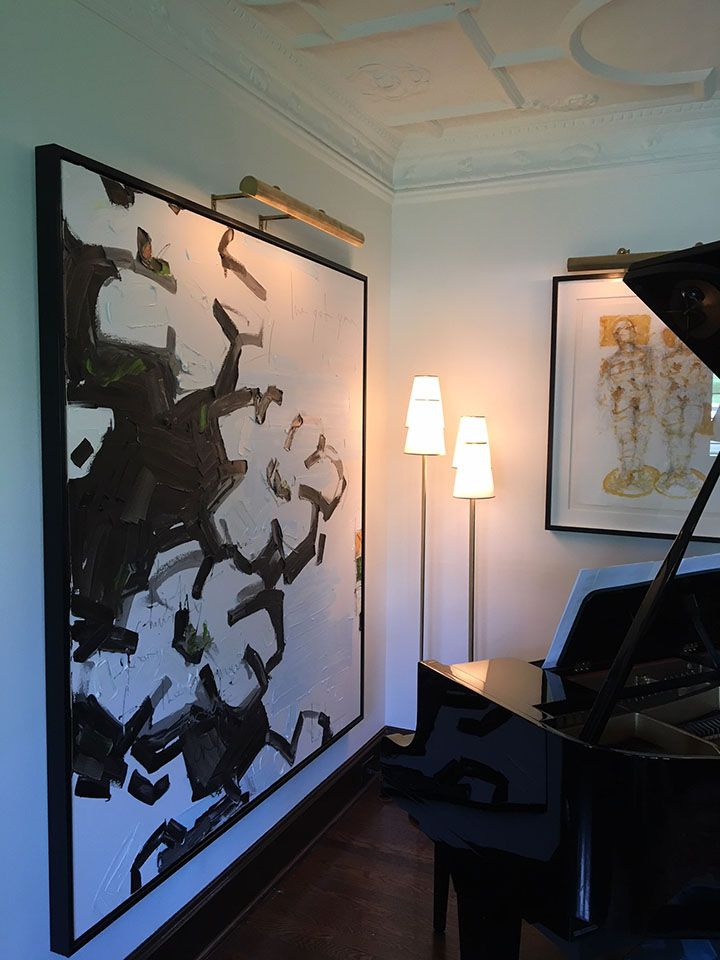
Rather than a gallery of many smaller pieces, one genuinely large print or poster, properly framed, can function as an entire accent wall on its own, especially in a room where you want a cleaner, less busy look than a gallery grid provides.
17. Framed fabric swatches in a grid
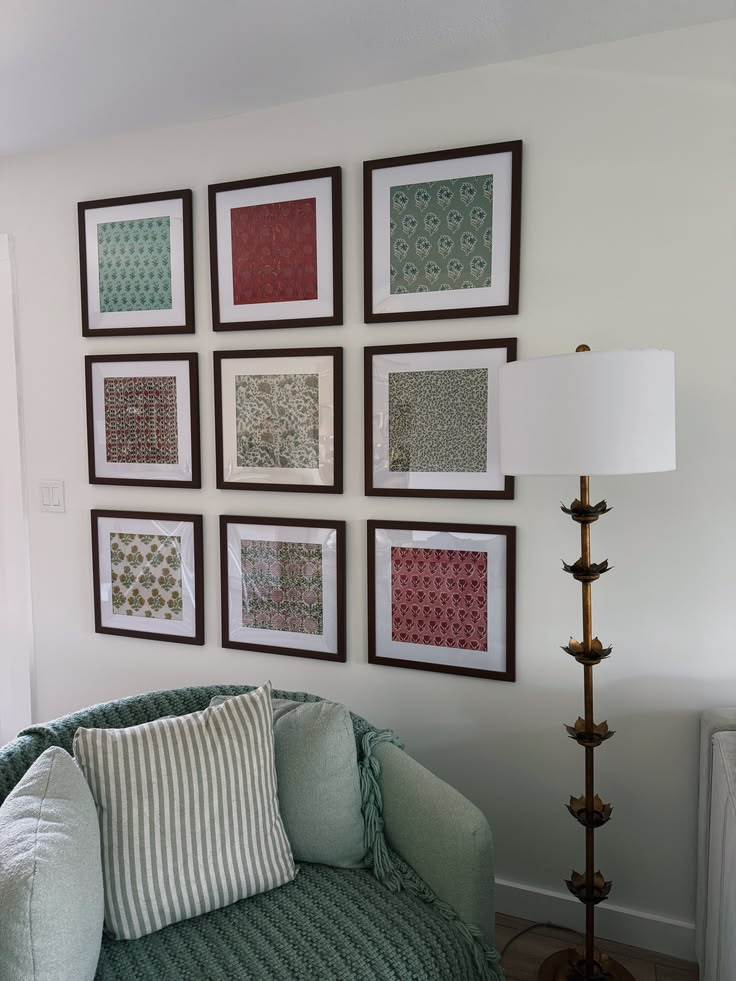
Small pieces of interesting fabric, mounted in matching simple frames and arranged in a grid, give you a textural, gallery-style accent wall using material that costs a fraction of full framed art, and it’s a genuinely unique option most people haven’t seen before on someone else’s wall.
18. A collection of floating shelves styled as a cohesive display
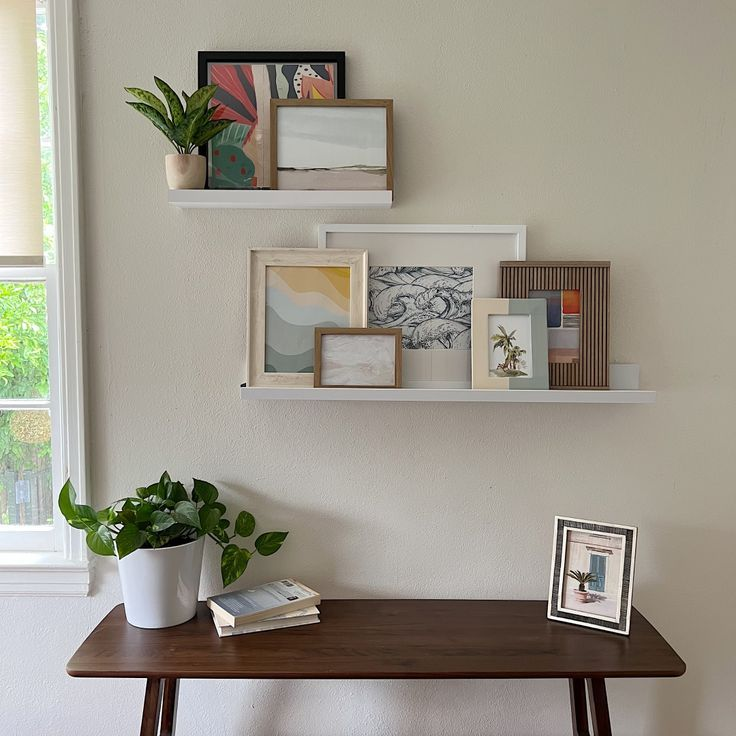
A cluster of small floating shelves, each styled with a few curated objects — books, small plants, a candle — turns an entire wall into a dimensional display piece rather than a flat surface, and most dorm-and-rental-safe shelf brackets use strong removable adhesive rated for a few pounds each.
19. A woven or macrame wall hanging as a focal cluster
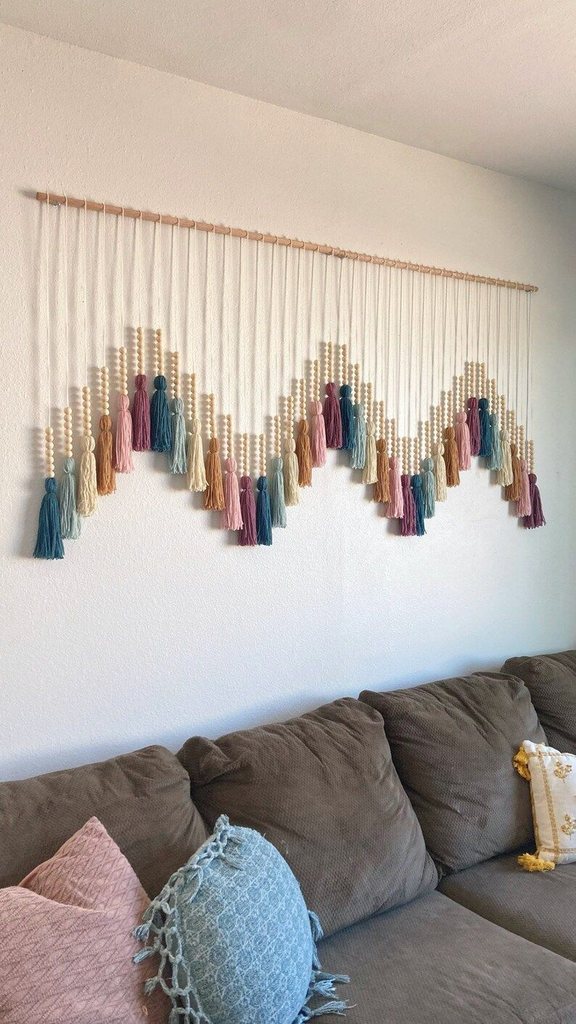
A single large macrame piece, or a cluster of a few smaller ones at varying heights, adds handmade texture and visual warmth that photography and printed material genuinely can’t replicate, and it works well as either the sole accent or paired with a smaller supporting piece nearby.
Functional-Meets-Decorative: Accent Walls That Also Do a Job
20. A chalkboard contact paper section
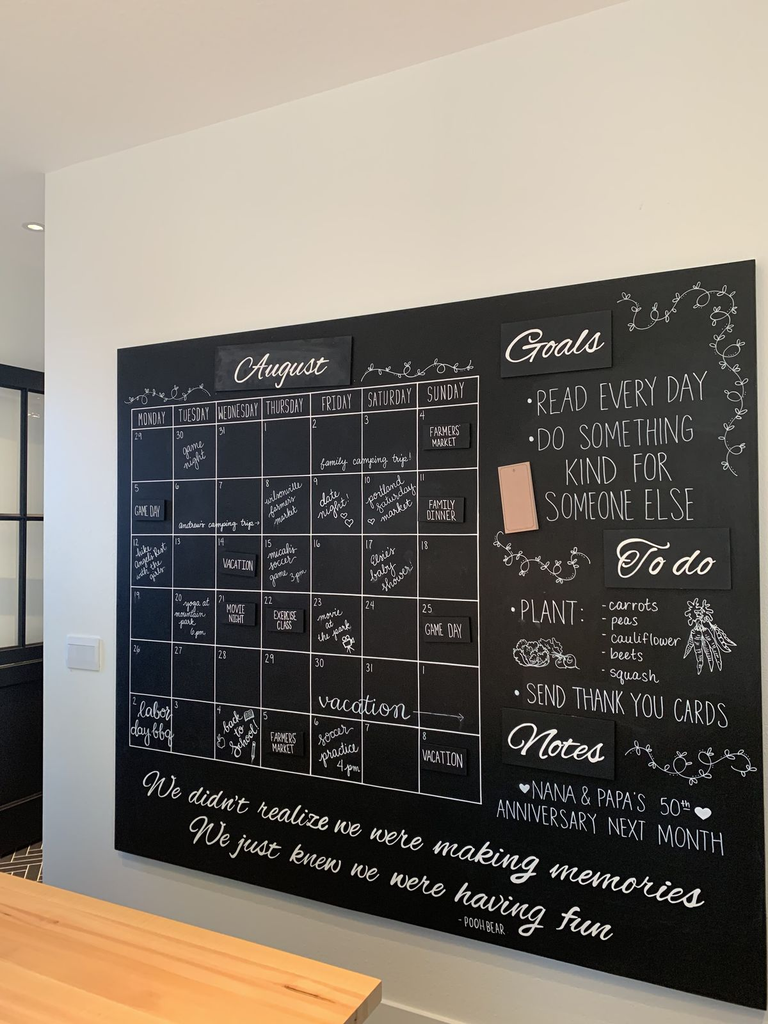
A section of adhesive chalkboard-style contact paper, applied to a portion of a wall, gives you a genuinely usable writing or drawing surface while also functioning as a bold, dark accent color choice within the room, solving two problems — decor and function — with one material.
21. A whiteboard or dry-erase adhesive panel
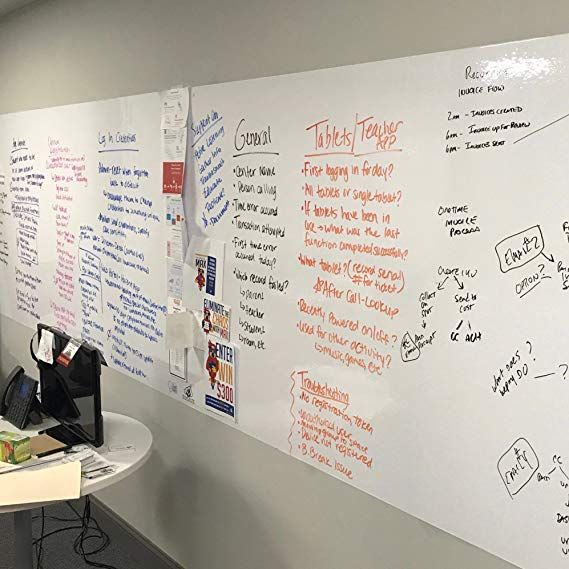
Similar to the chalkboard option but in a cleaner, whiteboard finish, this works especially well in a home office corner where the “accent wall” is also your actual planning and brainstorming surface throughout the week.
22. A wall-mounted string light pattern in a geometric shape
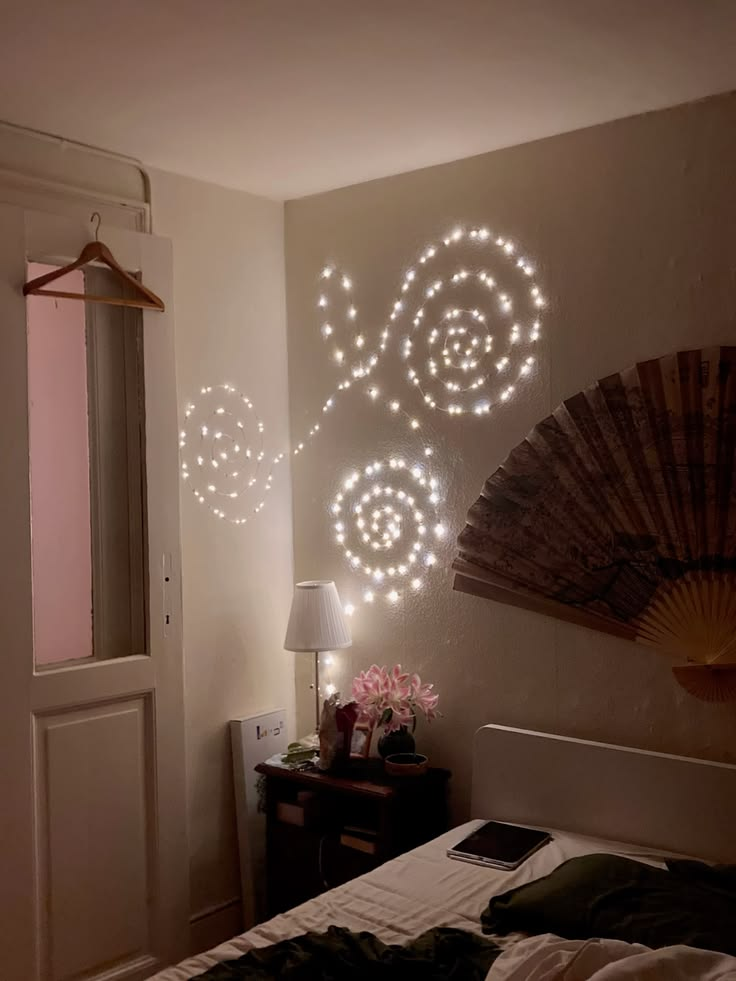
Rather than simply outlining a bed frame, arranging string lights in a deliberate geometric shape — a large circle, a grid, a starburst pattern — using small removable clips creates an accent wall that’s genuinely dynamic once it’s lit at night, doubling as both daytime wall art and nighttime ambient lighting.
23. A cork or pinboard wall section for rotating display
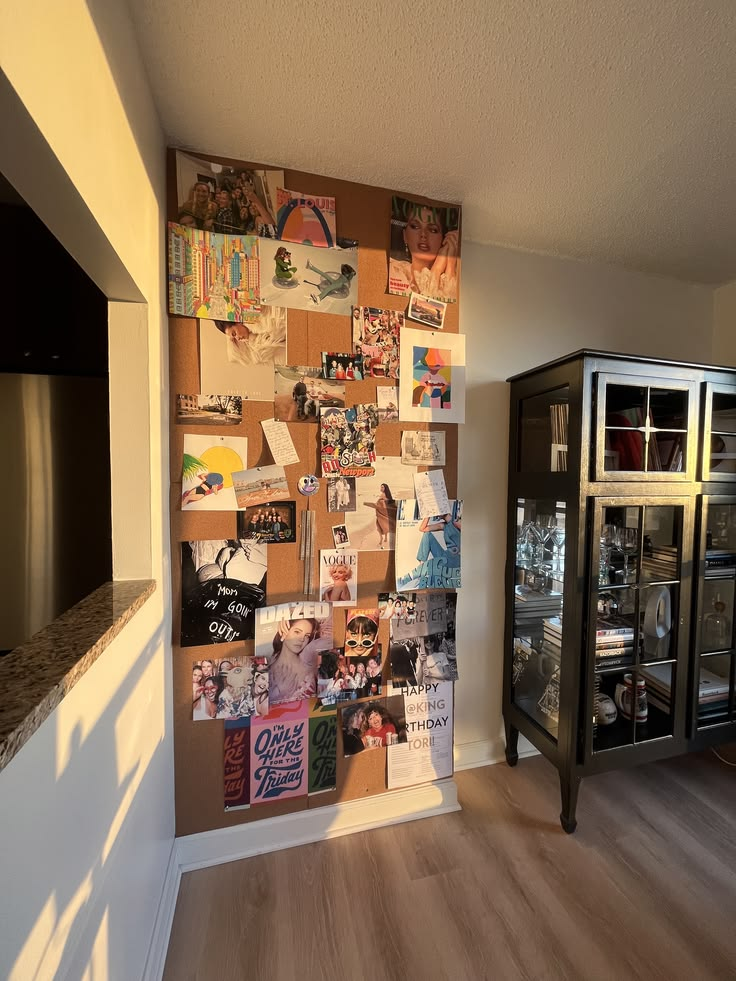
A dedicated cork or pinboard section, covering a full accent wall rather than just a single small board, gives you a genuinely rotating, ever-changing accent wall — photos, tickets, notes, postcards — that evolves throughout the year rather than being a single static design choice you commit to once and never touch again.
What I’d Try First If I Were Starting a New Accent Wall Today
If I had a blank rental wall to start on again, I’d go with peel-and-stick wallpaper first, specifically because it’s the closest thing to the “real” paint accent wall I originally wanted, and once you’ve done it once, every future wall in every future apartment becomes a lot less intimidating to tackle. After that, I’d layer in a gallery wall or a few floating shelves, since those add personality using things I already own rather than another purchase.
The real thing that terracotta-paint rejection taught me is that a rental restriction on paint isn’t actually a restriction on having a real accent wall — it’s just a nudge toward options that, in a lot of cases, I’ve ended up liking more than a flat coat of color would have looked anyway. My current peel-and-stick wall has survived one move already, rolled up and reused in the new apartment, which a painted wall never could have done.


Leave a Reply